Ever feel like your house is working against you? Whether it’s the mystery leak in the ceiling or the sock-devouring washing machine, life at home shouldn’t feel like a full-time job. Especially in places like Portland, where rainy skies test everything from your mood to your roof, home should be a haven—not a hazard zone. The truth is, making practical home choices can mean the difference between daily chaos and actual peace.
Let’s unpack how practical home choices—from appliances to lighting to storage—can quietly, powerfully transform the way we live.
Smart Simplicity Over Pinterest Perfection
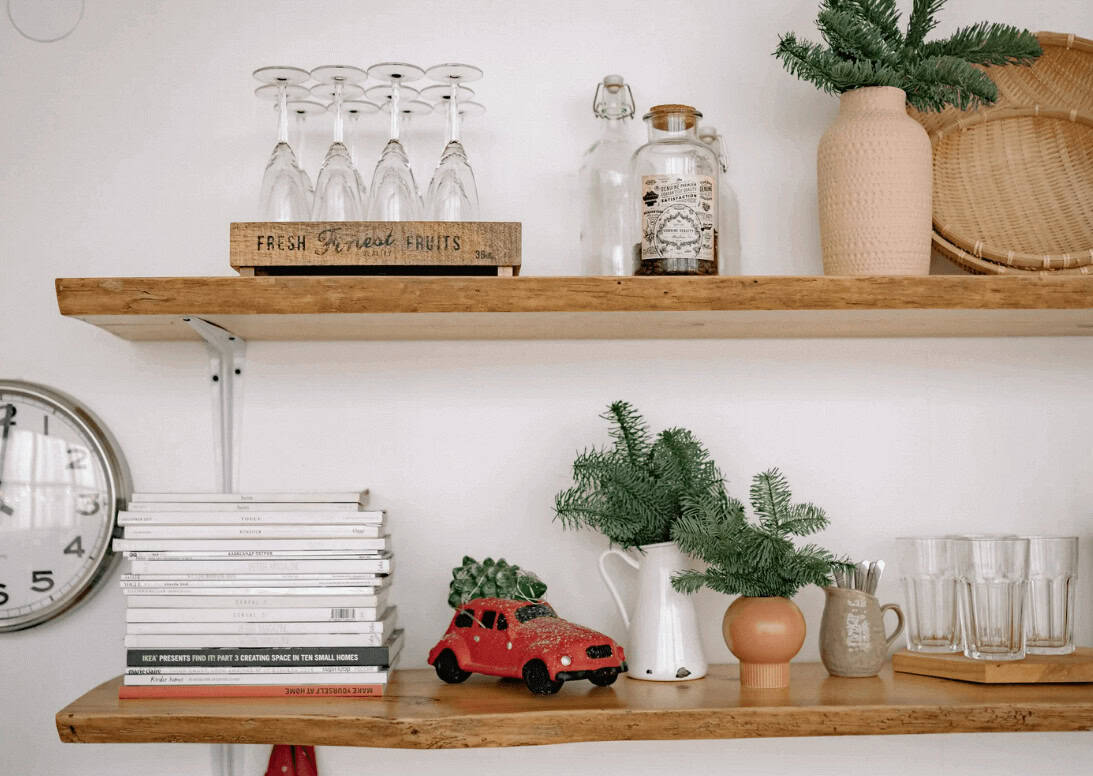
In a culture that glorifies curated living, the temptation to design a home that photographs well—but functions poorly—is real. Open shelving might look chic, but if you’re not a minimalist monk, it quickly devolves into a dusty, mismatched display of half-used spices and novelty mugs. The same goes for trendy “multi-purpose” furniture that’s more promise than performance.
Instead, choose simplicity that serves. A quiet dishwasher, blackout curtains that actually block light, or a sofa you can fall asleep on—these unsung heroes make daily life easier without asking for attention. Thoughtful design isn’t showy. It whispers, “Relax. I’ve got this.”

Maintenance Is Mental Health
An overlooked reality of adult life is how much time we spend maintaining things. Few phrases trigger quiet dread like, “This might be a structural issue.” Leaky roofs, drafty windows, and clogged gutters aren’t just financial headaches—they drain your mental energy, too.
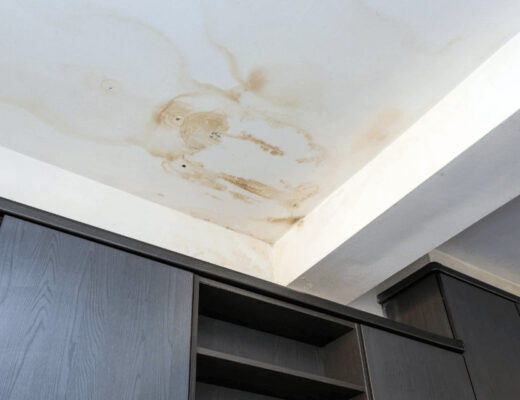
If you live in Portland roof replacement is one of those unavoidable responsibilities that creeps up faster than you’d expect. The city’s infamous wet season can transform a tiny leak into a full-on ceiling collapse. Putting off repairs might seem budget-friendly in the moment, but juggling buckets, contractors, and insurance agents mid-December is a stress cocktail no one orders on purpose. Upgrading to weather-resistant materials, scheduling annual inspections, or building a “just-in-case” fund helps shift home maintenance from chaotic reaction to calm prevention. Peace of mind, it turns out, is often just a well-timed repair away.
The Invisible Power of Layout
Architectural flow isn’t just something you hear on home renovation shows. The layout of your space deeply affects how you move, think, and feel. Consider the daily stress of squeezing past a dining chair just to reach the fridge, or the mental load of walking up and down stairs to grab laundry. Small inconveniences add up.
More people now are embracing single-level living—not just for aging in place, but for reducing friction in daily routines. In the post-pandemic era, where hybrid work is the norm, the way your home supports (or hinders) movement and multitasking matters more than ever.
Light, Air, and Sanity
Natural light is the home’s version of mood medicine. Studies show it regulates sleep cycles, boosts vitamin D, and improves focus. But let’s be honest—no one’s in a position to knock down walls for floor-to-ceiling windows. What we can do is make intentional choices that invite light in: sheer curtains, mirrors that bounce sunlight, and lighter paint tones.
The same goes for ventilation. A powerful (and quiet) range hood, bathroom fans that work, and openable windows are small decisions with oversized benefits. Better air quality means fewer allergies, less mold, and a space that doesn’t feel like it’s suffocating you.
The Rise of the Useful Kitchen
If your kitchen feels like an obstacle course, it’s probably not your cooking skills holding you back. A practical kitchen doesn’t have to be high-tech or magazine-ready. It needs accessible storage, reliable appliances, and surfaces you don’t have to baby.
Current trends are finally favoring function over flair. Think induction cooktops that heat quickly and cool safely, deep drawers instead of overhead cabinets, and pantries that prioritize reachability over visual drama. These choices not only streamline meals—they reduce the mental clutter that comes from constantly working around your own setup.
Storage That Thinks Ahead
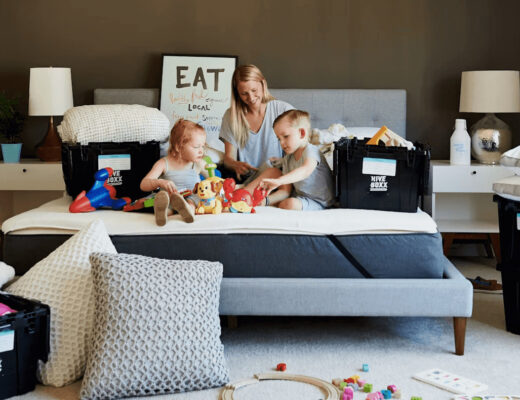
There’s no peace in a cluttered home. And while minimalism might not be your thing, chaos definitely isn’t. Smart storage doesn’t mean more boxes—it means better access. Think pull-out pantry shelves, under-bed bins, hooks where you actually hang things, and closets that make sense to how you live, not how architects think you should.
Increased demand for dual-purpose rooms—offices by day, guest rooms by night—has also sparked innovation in storage. Murphy beds are back, and they’re no longer a design compromise. In fact, they’re part of a larger shift toward homes that adapt to life’s unpredictability.
Tech That’s Actually Helpful
Smart home devices were once gimmicky. Now they’re quietly becoming essential. A thermostat that learns your routine can save hundreds. Leak detectors can prevent thousands in damage. Video doorbells do more than deter porch pirates—they let you answer the door in your pajamas without judgment.
The key is resisting the lure of over-automation. You don’t need an app for your toaster. Focus on tech that supports comfort and safety without creating new headaches. Automate what’s forgettable—lights, locks, climate—not what should be intuitive, like turning on the TV.
The Aesthetics of Ease
Good design doesn’t just look nice—it makes you feel capable. When your home reflects how you want to live, not how you’re told you should live, that’s when stress begins to ease. Choose colors that calm you, textures that comfort you, and spaces that support how your day actually unfolds.
Sometimes it’s ironic how the most stress-reducing features are the least noticeable: a kitchen drawer that doesn’t jam, a faucet that doesn’t splash, a hallway that doesn’t echo like a train station. These practical home choices create a sense of rhythm and control that filters into your mood, your energy, even your relationships.
Modern life is already packed with uncertainty. From inflation-driven budget anxieties to the work-from-home blur, our homes have become more than just shelters—they’re the central hubs of our emotional, financial, and logistical wellbeing. So it’s worth asking: are the choices we make at home adding friction, or removing it?
When the answer tilts toward ease—when your house does its job without being asked—you’ll find yourself breathing easier.