There’s something quietly powerful about kneeling in the dirt, pressing seeds into soil, and watching something green push its way into the world. Gardening has been a human ritual for thousands of years — but only recently has science caught up to what gardeners have long known: tending to a garden is one of the best things you can do for your mental health.
The Science Behind the Soil
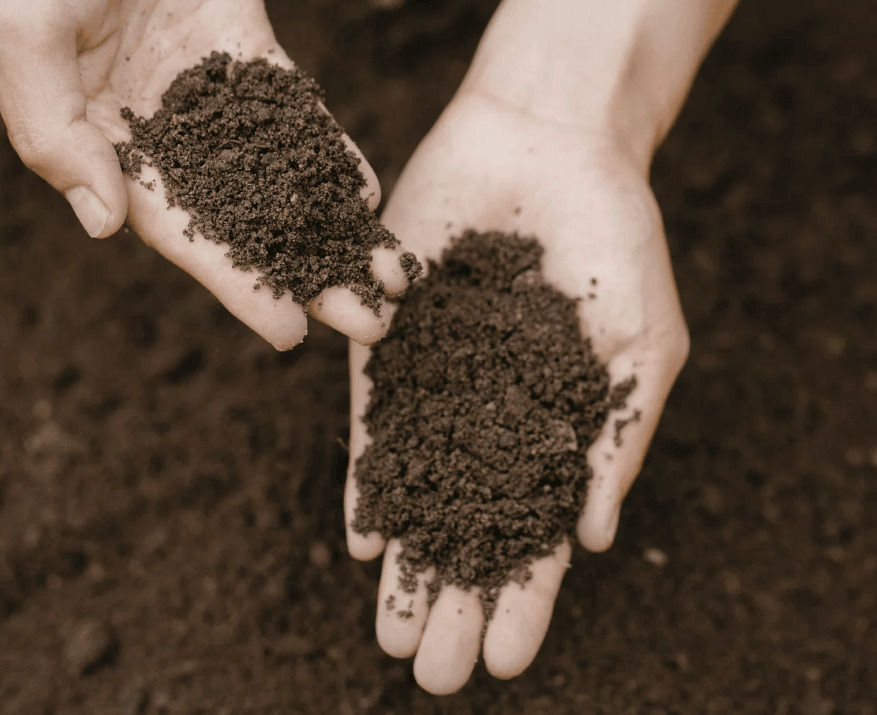
It sounds almost too simple, but touching soil can genuinely lift your mood. Researchers have found that a naturally occurring bacterium in healthy soil, Mycobacterium vaccae, triggers the release of serotonin in the brain — the same chemical targeted by many antidepressants. Just digging in the ground can set this off.
Beyond the biology, gardening forces you to slow down. In a world of notifications and noise, the act of watering, weeding, or pruning requires your full, quiet attention. That’s not distraction — that’s mindfulness. And mindfulness, practiced consistently, is one of the most well-researched tools for managing anxiety and depression.
Getting Out of Your Head
Mental health struggles often pull people inward. Rumination — that loop of replaying worries and worst-case scenarios — is a core feature of anxiety and depression. Gardening breaks that loop naturally.
When you’re focused on transplanting seedlings or figuring out why your tomatoes aren’t flowering, your brain simply doesn’t have room for the spiral. The garden gives you a real, physical problem to solve. And solving it — even imperfectly — builds a quiet sense of confidence that carries into the rest of your day.
According to NorthCountyMulch.com in Escondido, CA, the quality of your soil is the foundation of everything that grows — and that philosophy extends beyond the garden itself. Just as plants need the right environment to thrive, people need the right conditions too: rest, nourishment, connection, and purpose. Gardening has a way of teaching all of that at once.
A Sense of Purpose and Progress
One of the most underrated aspects of mental wellness is having something to look forward to. Gardening delivers this in small, reliable doses. You plant a bulb and wait. You prune a rose bush and watch new growth appear. Every stage offers a visual reward for showing up.
This rhythm — effort followed by visible result — is deeply satisfying to the human brain. It counters the helplessness that often accompanies depression, replacing “nothing I do matters” with something you can actually see and touch. A garden is proof that care produces change.
The Social Side of Growing
Gardening doesn’t have to be a solitary pursuit. Community gardens are thriving across the country, giving people a shared space, a reason to chat across a fence, and a sense of belonging. For people dealing with loneliness — one of the most significant risk factors for mental health decline — that connection matters enormously.
Even in private gardens, the act of growing food or flowers to share with neighbors, friends, or a local food bank creates a quiet loop of giving. And generosity, research consistently shows, is good for the giver.
You Don’t Need Much to Start
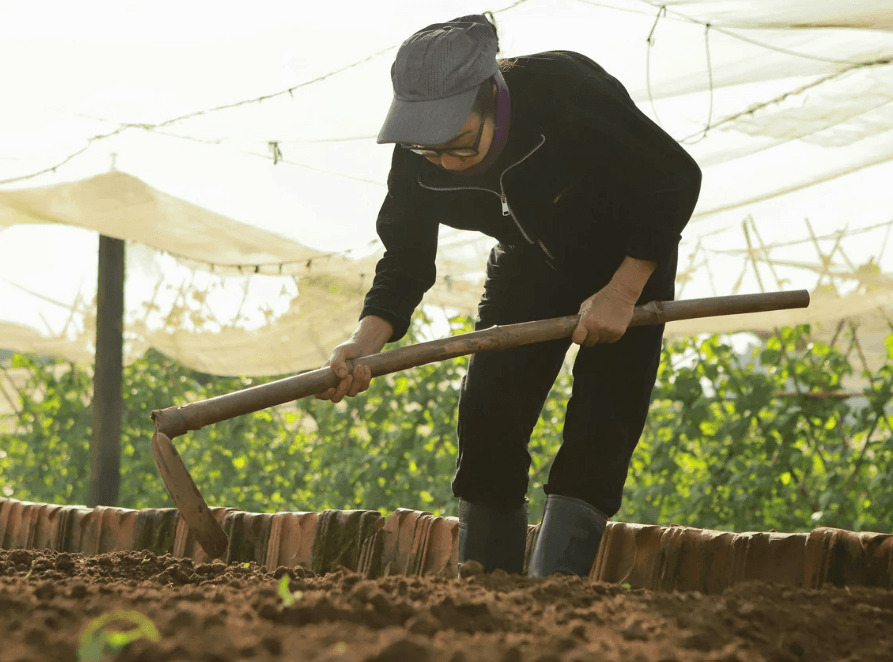
One of the most common reasons people don’t garden is the belief that they need a big yard, expensive tools, or years of experience. None of that is true. A few pots on a balcony can do the trick. A small raised bed. A single tomato plant on a sunny windowsill.
The mental health benefits don’t scale with garden size — they scale with engagement. Even ten minutes of watering and observing first thing in the morning can anchor the start of your day in something calm and purposeful.
The Bigger Picture
There’s a reason so many cultures throughout history have turned to gardens in times of grief, recovery, and transition. Hospitals use horticultural therapy. Veterans programs incorporate it. Schools plant learning gardens. The instinct runs deep.
Getting your hands dirty isn’t a retreat from life — it’s a way of re-engaging with it, on slower, gentler terms. Whether you’re tending flower beds, growing vegetables, or focusing on pond care, these simple routines encourage mindfulness and help create a sense of calm. The garden doesn’t care what you accomplished today or what’s sitting in your inbox. It just needs water, light, and attention.
Turns out, so do we.