Heavy rain, strong winds, hail, and falling tree branches can all weaken roofing materials and create problems that are not always visible right away. Even small areas of roof damage can quickly lead to leaks, moisture buildup, and expensive structural issues if they are ignored.
In areas like Bethel Park, changing weather conditions and seasonal storms can place extra stress on residential roofs throughout the year. Homeowners may notice missing shingles, damaged flashing, or water stains inside the home after severe weather passes through the area. Unfortunately, waiting too long to respond can make the damage much worse.
After a storm, it is important to act quickly and carefully. From inspecting the roof safely to contacting professionals and documenting damage for insurance purposes, every step matters when dealing with storm-related roofing issues.
Understanding what to do after storm damage occurs can help homeowners stay prepared and protect their property more effectively.
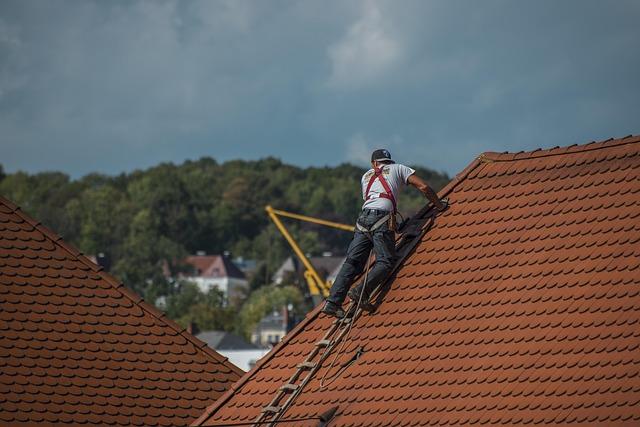
Inspect the Roof Safely After the Storm
Safety should always come first after a storm affects your home. Even if roof damage appears minor, climbing onto a damaged roof can be dangerous, especially when surfaces are wet or unstable.
The safest way to begin is by inspecting the roof from the ground. Homeowners should look for visible warning signs such as missing shingles, fallen branches, sagging areas, damaged gutters, or debris scattered across the roof. Water stains on ceilings or walls inside the home may also indicate hidden roof leaks.
In some cases, storm damage may not be obvious right away. Strong winds can loosen roofing materials or damage flashing around vents and chimneys without creating immediate leaks. That is why professional inspections are often recommended after severe weather.
For instance, homeowners in Pennsylvania dealing with storm-related roofing issues often seek professional assistance from Bethel Park roof repair companies to identify hidden damage, prevent future leaks, and restore the roof before more serious structural problems develop.
Professional roofing inspections can help uncover problems that are difficult to spot from the ground. Experts know how to identify weakened materials, moisture intrusion, and areas that may require immediate attention.
It is also important to document visible damage as soon as possible. Taking clear photos and videos of affected areas can help support insurance claims and provide records of the condition of the roof after the storm.
Prevent Additional Water Damage Immediately
Once storm damage is identified, preventing additional water intrusion should become a top priority. Even a small opening in the roof can allow rainwater to enter the home and damage ceilings, walls, insulation, and flooring.
Temporary protection can help reduce further damage until permanent repairs are completed. Many homeowners use tarps to cover exposed sections of the roof and block water from entering the structure. Properly securing these coverings can help protect vulnerable areas during additional rainfall.
Inside the home, valuables and furniture should be moved away from active leaks whenever possible. Placing buckets or containers beneath leaking areas can help reduce water damage to floors and carpets.
Delaying temporary protection can create much larger problems over time. Moisture trapped inside walls or ceilings may lead to mold growth, weakened wood structures, and insulation damage. These issues often become more expensive and difficult to repair if ignored.
Acting quickly after storm damage helps minimize long-term repair costs and protects the overall condition of the home while waiting for professional roofing repairs.
Contact Your Insurance Provider and Document Damage
After protecting the home from immediate water damage, homeowners should contact their insurance provider as soon as possible. Many homeowner insurance policies cover storm-related roof damage, but proper documentation is important during the claims process.
Homeowners should take detailed photos of all visible damage, both inside and outside the property. Pictures of missing shingles, damaged gutters, ceiling stains, or fallen debris may help support the insurance claim later.
It is also helpful to keep records of repair estimates, temporary repair expenses, and the date the storm occurred. Organized documentation can make communication with insurance adjusters much easier.
Insurance companies may send an adjuster to inspect the property and evaluate the extent of the damage. During this process, homeowners should provide as much information as possible regarding the condition of the roof before and after the storm.
Reviewing the details of the insurance policy is also important. Coverage may vary depending on the type of damage, age of the roof, and specific policy terms.
Working with experienced roofing professionals during the claims process can sometimes help homeowners better understand repair needs and documentation requirements.
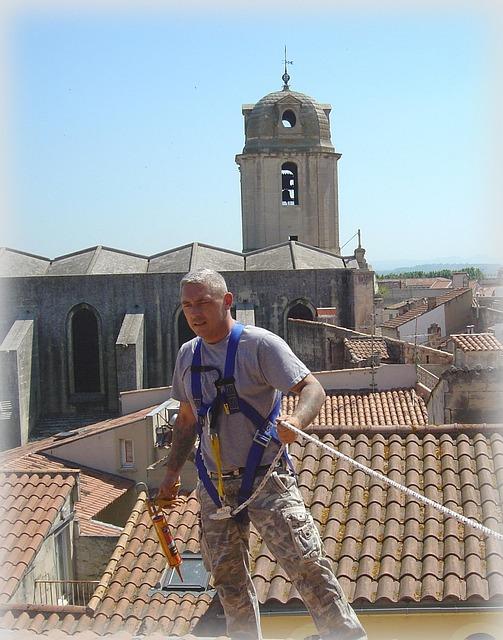
Schedule Professional Roof Repairs Quickly
Storm damage should never be left untreated for long periods of time. Even small roofing issues can worsen quickly when exposed to additional rain, wind, or changing temperatures.
Professional roof repairs help restore the structural integrity of the roof and prevent future problems from developing. Roofing experts can assess both visible and hidden damage to determine the most effective repair solutions.
Common storm-related repairs may include replacing missing shingles, repairing flashing, sealing leaks, reinforcing weakened sections, repairing gutters and drainage systems, and improving drainage design.
Prompt repairs help prevent moisture from spreading into other parts of the home. Water damage can weaken support structures, damage insulation, and increase the risk of mold growth if repairs are delayed too long.
Professional roofing companies also use proper materials and repair methods designed to withstand future weather conditions. This helps improve the long-term durability and reliability of the roof.
Addressing storm damage early often saves homeowners money by preventing larger structural repairs later.
Storm damage can affect a roof quickly and create serious problems if it is not addressed right away. Missing shingles, leaks, moisture intrusion, and structural damage may continue to worsen long after the storm has passed.
By inspecting the roof safely, preventing additional water damage, documenting repairs for insurance purposes, and scheduling professional repairs quickly, homeowners can reduce the impact of storm-related roofing problems.
Routine maintenance and seasonal preparation also play an important role in protecting homes from future weather damage. Small preventive steps often help homeowners avoid larger repair expenses and long-term structural issues.
Taking fast action after a storm not only protects the roof but also helps preserve the safety, comfort, and value of the entire home.