Southwest Ohio doesn’t get the extreme snow totals that lake-effect regions further north deal with, but it gets something arguably just as hard on a home’s exterior: a long stretch of repeated freeze-thaw cycling through the winter months, combined with humid summers that bring their own moisture stress. That combination affects siding differently than either heat or cold would on their own.
Why Freeze-Thaw Cycling Is the Real Stress Test
Winter temperatures in this region swing across the freezing point repeatedly, sometimes within the same week, rather than settling into one long deep freeze. Every time moisture that’s worked its way behind or into a siding material freezes, it expands.
When it thaws, that expansion doesn’t fully reverse, and the next freeze finds a slightly bigger gap to work with. Repeated dozens of times each winter, this cycle is what causes certain siding materials to crack, warp, or separate from the wall assembly well ahead of their expected lifespan.
Materials that absorb even small amounts of moisture are the most vulnerable to this cycle, which is why moisture resistance matters even more here than in climates with either consistently dry cold or consistently mild winters.
How the Common Siding Materials Hold Up
Vinyl siding handles moisture reasonably well since it doesn’t absorb water the way organic materials do, but it does become more brittle in cold temperatures, which makes it more prone to cracking on impact during the coldest parts of winter. Extreme temperature swings between a cold night and a sunny winter afternoon can also cause vinyl to expand and contract enough to stress its fastening system over time.
Wood siding is the most vulnerable material to freeze-thaw damage specifically because it’s porous enough to absorb moisture in the first place. Once water gets into wood siding, repeated freezing and thawing accelerates rot, cracking, and paint failure considerably faster than in a climate without this cycling.
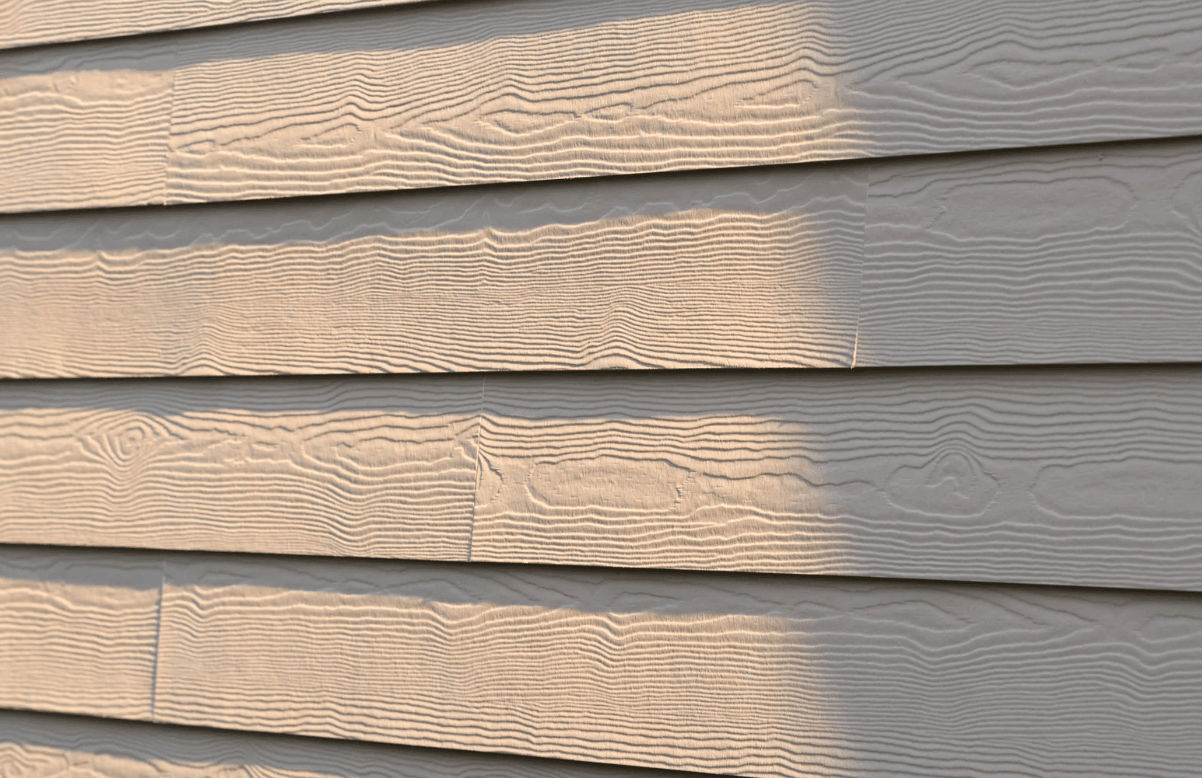
Fiber cement siding performs well against freeze-thaw specifically because its cement-based composition is essentially non-porous at its core. It doesn’t absorb enough moisture internally to be vulnerable to the expansion-contraction cycle the way wood does, which is a big part of why it’s become a popular recommendation for this climate.
Engineered wood siding falls in between, offering better moisture resistance than natural wood through treatment processes, though it still requires attention to proper sealing at cut edges and seams to keep water from finding its way in.
Why Installation Details Matter as Much as Material Choice
Freeze-thaw resilience depends heavily on how well a siding system manages moisture at the installation level, not just the material’s inherent properties.
Proper flashing above windows and doors, adequate house wrap behind the siding, and correctly sealed seams and joints all determine whether water gets a chance to sit against the siding or framing long enough to freeze in the first place.
A high-quality material installed with poor moisture management can still fail early in this climate, while a more moderate material installed correctly can outperform expectations.
What to Prioritize When Planning a Siding Project
For homeowners in this region, a few priorities matter more than they might in a milder climate:
- Moisture barrier quality and installation, since this determines whether water has a chance to sit and freeze against your home’s structure
- Material stability across temperature swings, favoring products that don’t become notably brittle in cold weather
- Attention to seams and joints, which are the most common entry points for moisture that later causes freeze-thaw damage
Getting Siding Installed for This Specific Climate
Because freeze-thaw cycling punishes moisture problems more severely here than in many other climates, getting both the material and the installation details right matters more than it might elsewhere. Southwest Ohio’s best siding contractors should be able to speak directly to how they manage moisture at flashing points and seams, not just which material they recommend, since that installation detail is often what determines whether your siding actually reaches its expected lifespan in this climate.