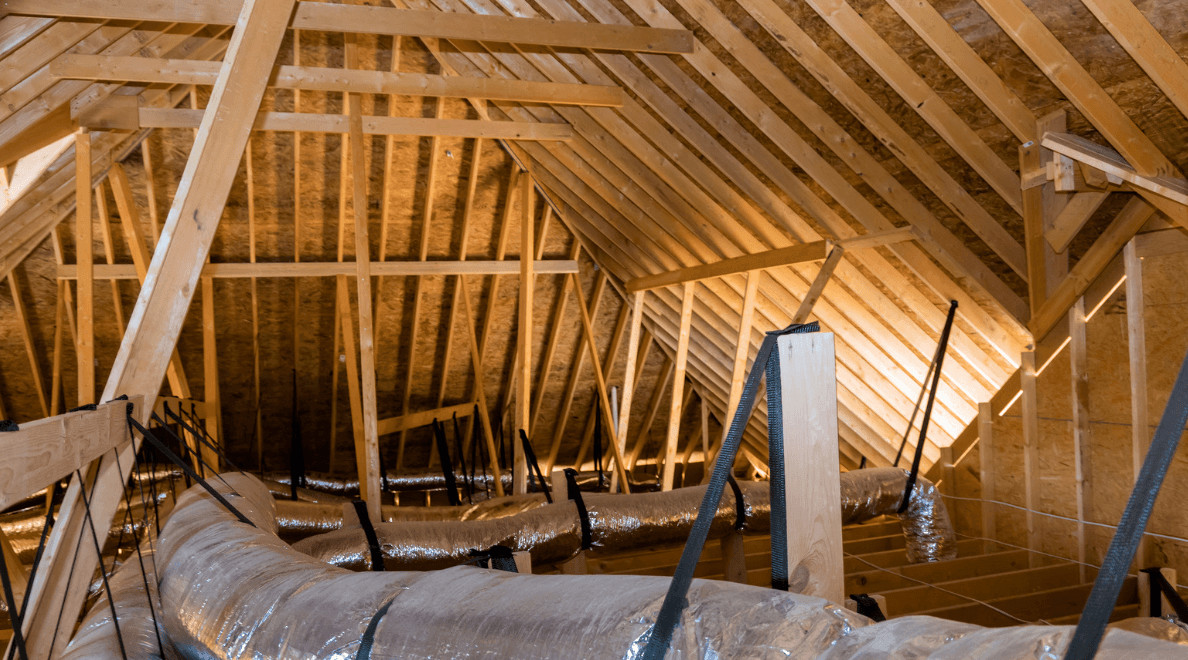
A loft is easy to ignore. It sits above the rooms you use every day, often behind a hatch, storing Christmas decorations, old suitcases and the occasional forgotten box. Yet it is also one of the most important spaces in a home when it comes to moisture management, energy efficiency and roof health.
When a loft suffers from poor roof ventilation, warm, moisture-laden air can become trapped beneath the roof covering. Over time, that can create conditions that encourage condensation, mould growth, timber decay and damaged insulation. The warning signs may start small: a musty smell, dark staining on roof timbers, or insulation that feels damp to the touch. Left unaddressed, however, the consequences can become expensive.
Understanding how roof ventilation works — and why it matters — is the first step towards preventing problems before they affect the fabric of the building.
Why Lofts Are Vulnerable to Condensation
Everyday household activity produces water vapour. Cooking, showering, drying clothes indoors and even breathing all add moisture to the air. In a well-managed home, much of that moisture is removed through extractor fans, openable windows and general air movement.
Some vapour will still rise into the roof space, particularly in older homes or properties with gaps around loft hatches, pipe penetrations and recessed light fittings. During colder months, the underside of roof tiles, felt or membranes can be significantly colder than the air below. When warm, damp air meets those cold surfaces, it cools quickly and releases moisture as condensation.
That moisture does not always appear as obvious drips. It can settle gradually on rafters, sarking boards, underlay and insulation. A roof space may look fine during a quick summer inspection but become damp during a prolonged cold spell, when the difference between indoor and outdoor temperatures is at its greatest.
The Common Signs of Poor Roof Ventilation
The sooner ventilation issues are spotted, the easier they are to resolve. Homeowners should inspect loft spaces periodically, ideally in late autumn or winter when condensation is more likely to show itself.
Look out for:
- Condensation or frost on the underside of roofing felt or membranes
- Dark patches, mould or mildew on rafters and joists
- A persistent damp or musty odour
- Wet, compressed or discoloured insulation
- Rusting nails, metal fixings or water tanks
- Timber that feels soft, stained or unusually damp
It is important not to assume every damp patch is caused by ventilation. A slipped tile, damaged flashing or leaking chimney detail can produce similar symptoms. The distinction matters: ventilation manages airborne moisture, while repairs are needed to stop water entering from outside.
How Ventilation Protects the Roof Structure
A correctly ventilated roof allows air to move through the loft space, carrying away moisture before it can condense in damaging quantities. Typically, this means providing a route for air to enter at a low level, such as the eaves, and escape at a higher point near the ridge or through suitable roof vents.
Ventilation also affects the roof itself, not just the timbers. Heat and moisture that stay trapped in the roof space can age the underlay, metal fixings and supporting structure faster than expected, which can shorten the working life of the roof and bring repairs forward.
The exact approach depends on the roof design, insulation position and type of underlay. Modern breathable membranes can reduce the need for ventilation in some roof constructions, but they are not a universal solution. Their performance depends on correct installation, adequate laps, clear air paths and the overall build-up of the roof.
For anyone assessing improvements or planning remedial work, reviewing the available range of roof ventilation systems and products can help clarify the different options used for eaves, ridge and tile-level airflow. The goal is not simply to add vents at random; it is to create a balanced route for air circulation that suits the roof’s construction.
How Loft Insulation Can Lead to Poor Roof Ventilation
Improving loft insulation is usually one of the most effective ways to reduce heat loss, but installation details matter. Insulation pushed tightly into the eaves can block the airflow path from soffit vents. This is especially common where mineral wool has been laid generously over ceiling joists without leaving a ventilation gap at the perimeter.
The result is frustrating: the home may be warmer, yet the roof space becomes more prone to trapped moisture.
Maintaining a clear airflow path
Ventilation trays or rafter baffles can help preserve the gap between insulation and the roof underlay near the eaves. They guide incoming air upwards while preventing insulation from slumping into the space.
A few practical checks can make a significant difference:
- Keep insulation clear of eaves ventilation openings.
- Ensure bathroom and kitchen extractor ducts vent outdoors, not into the loft.
- Seal obvious gaps around loft hatches and service penetrations.
- Avoid storing belongings directly over ventilation routes.
These measures work together. There is little benefit in adding roof vents if warm, humid air is continually being discharged into the loft from an unconnected bathroom extractor.
Problems caused by poor ventilation: timber, insulation and comfort
Condensation is not merely cosmetic. Repeated dampness can create an environment where mould spores thrive and timber begins to deteriorate. Roof timbers are designed to last for decades, but persistent moisture raises the risk of fungal decay. In severe cases, this can affect structural elements and lead to more extensive repair work.
Wet insulation is another concern. Insulation works by trapping air; when it becomes saturated or compressed, its thermal performance falls. That means more heat escapes through the ceiling, potentially increasing heating demand at the same time as the loft becomes damper.
Poor roof ventilation can also be felt in the rooms below. A hot, stuffy loft in summer can warm the bedrooms underneath, while a damp loft in winter can leave your heating working harder than it should. A rise in energy bills, or upstairs rooms that feel hotter or colder than usual, can be an early hint that the roof space is not breathing properly.
There can also be consequences below the ceiling line. Mould growth in a loft does not automatically mean mould will appear in bedrooms, but it is a warning that moisture is not being managed effectively. Addressing the source early is generally better than repeatedly treating symptoms.
When to Call In a Professional
A homeowner can identify blocked vents, displaced insulation and obvious signs of damp as part of roof maintenance, but persistent condensation deserves a more thorough assessment. A competent roofer or building professional can check whether the issue stems from roof leaks, inadequate ventilation, poor insulation detailing, internal humidity or a combination of factors.
This is particularly worthwhile after a loft conversion, re-roofing project or insulation upgrade. Changes to one part of the building can alter how moisture moves through the whole structure.
A dry, well-ventilated loft is not something most people think about until problems arise. Yet regular inspection, sensible insulation practices and properly planned airflow can protect the roof, preserve energy efficiency and stop poor roof ventilation turning a minor moisture issue into a major repair.