The rental counter has an airless sprayer on the shelf, and it looks like a shortcut. Next to it sits a bucket of roller covers that cost a fraction of the day rate. For a whole-house repaint, the choice between them shapes your weekend, your paint bill and the finish.
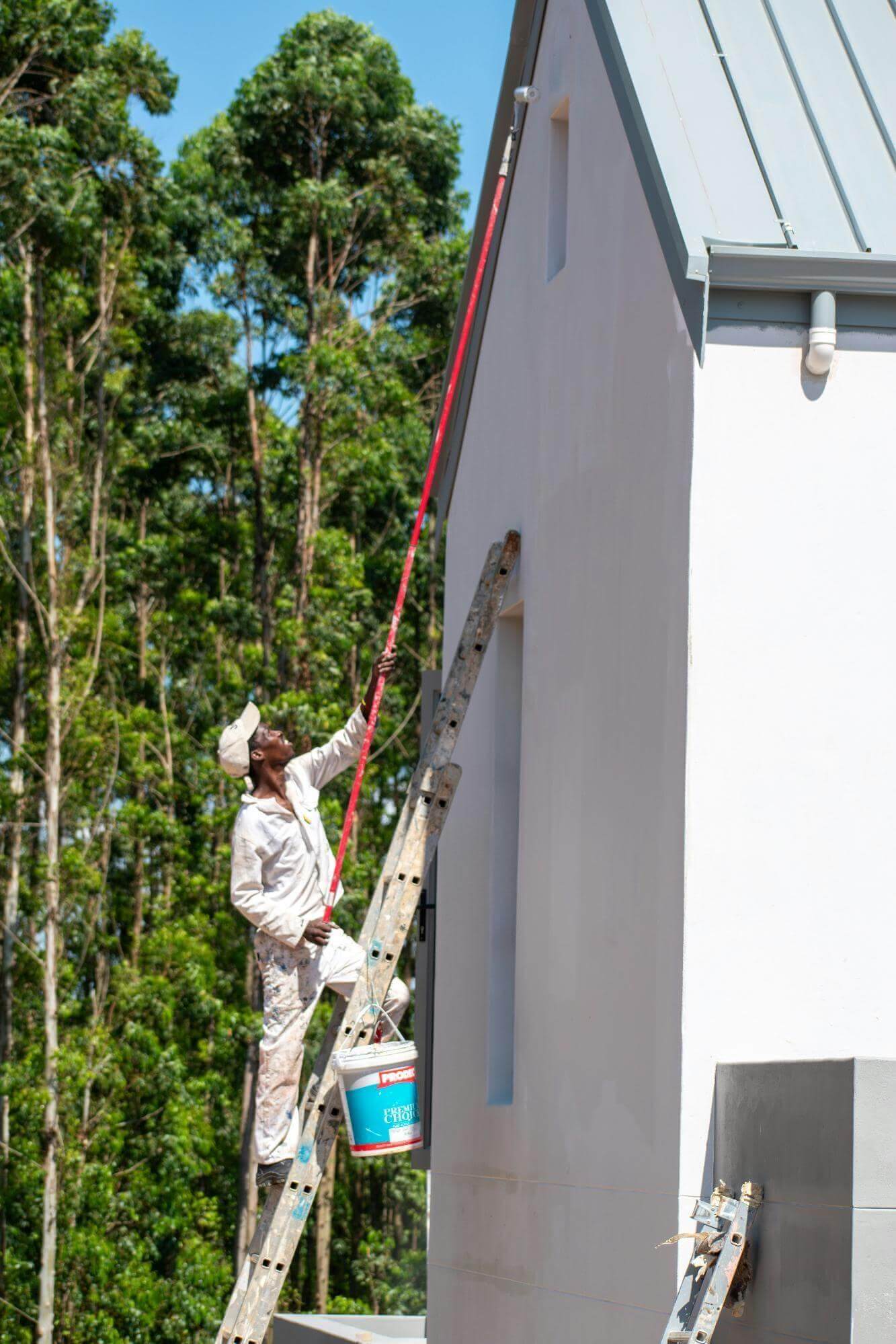
Neither tool is the right answer every time. Professional crews such as Ascend Painting Services, a Perth company with more than 20 years in the trade, show the balance. They pair modern equipment with careful protection of floors, fixtures and nearby surfaces. That mix of speed and prep is the lesson for a DIYer. Here is how to decide which tool earns a place on your job.
What Does an Airless Sprayer Actually Do Well?
An airless sprayer pushes paint through a tiny tip at very high pressure. The paint breaks into a fine fan and lands in an even layer. On wide, plain walls, that speed is hard to beat.
Sprayers also reach into texture that rollers skip. Rough stucco, split-face block and deep siding grooves all take paint more evenly from a spray fan. Fences, lattice and railings go much faster too.
The catch is that spraying moves the work to the front of the job. Every window, light fixture, plant and car nearby needs covering first. A sprayer saves hours on the walls, then spends some of them back on masking.
Where Does a Roller Still Win?
A roller is slower, but it is also forgiving. It suits many DIY repaints better than a rented rig. Reach for rollers and brushes when:
- The house has more trim, windows and doors than open wall.
- Wind is common, because overspray can drift onto cars and neighbors.
- You are working alone and cannot mask and spray in one day.
- The job is a touch-up or a single elevation, not the whole house.
- You want to press paint into dry, weathered wood rather than lay it on top.
Rolling also leaves less to clean. A sprayer’s pump, hose and filters all need a full flush after each session. A roller cover can simply be washed out or thrown away.
How Much Masking Does Spraying Add?
Masking is where most DIY spray jobs lose their time savings. The prep work also has to be done before any paint goes on. Plan the spray day in this order:
- Wash the walls and let them dry fully.
- Scrape loose paint, fill cracks and replace failed caulk.
- Cover windows and doors with plastic film and tape.
- Bag light fixtures, outlets and hose bibs.
- Lay drop cloths over paths, decks and garden beds.
- Move cars well away from the side being sprayed.
Only then does the sprayer come out. Many pros spray a section, then roll over it while it is wet. That step, called back-rolling, works the paint into the surface and evens out the coat.
Which Tool Fits Each Surface?
Most exterior repaints mix surfaces, so most end up using more than one tool. This table matches each part of the house to the tool that usually suits it.
| Surface | Best tool | Why it suits |
| Large plain stucco walls | Sprayer, then back-roll | Fast, even coverage over texture |
| Lap or clapboard siding | Sprayer or roller and brush | Spray fills grooves, brush handles laps |
| Window and door trim | Brush | Control near glass and hardware |
| Fences and lattice | Sprayer | Covers gaps a roller cannot reach |
| Small repairs and patches | Roller or brush | No setup or cleanup overhead |
What Safety Rules Come With a Sprayer?
An airless sprayer is a high-pressure tool, not a big paintbrush. A 2015 WorkSafeNB airless sprayer hazard alert says some units reach 5,000 pounds per square inch. At that pressure, paint can pass through skin and into the body.
The same alert warns that an injection can look like a simple cut but is a severe injury. It says to get medical care immediately. Its prevention rules are short and worth taping to the pump:
- Never point the gun at anyone, including yourself.
- Keep the tip guard on and your fingers away from the tip.
- Engage the trigger lock whenever you stop spraying, even briefly.
- Run the pressure relief steps before cleaning or changing the tip.
- Never try to stop a leak with your hand.
Rollers carry none of this risk. That alone sways many first-time DIYers toward a roller for their first exterior job.
Why Does Film Thickness Matter More Than Speed?
Paint protects only as well as the layer it forms. The American Coatings Association notes that coating film thickness strongly affects how a finish performs and lasts. That is why technical data sheets list a target thickness for each product.
Sprayers can lay a coat that is too thin if you move fast, or too heavy if you linger. Rollers tend to build a steadier layer, but they can starve the edges. Either way, two even coats beat one heavy one. Most water-based paints accept a second coat after two to four hours, so a two-coat day is realistic.
Weather adds another layer to the decision. A sunlit wall can run 40 to 50 degrees hotter than the air, a real issue in desert heat and other hot climates. Paint each wall when it is out of full sun, whichever tool you choose.
Picking Your Rig Before the Rental Counter
Count your surfaces before you count rental days. A plain, open house with few windows rewards a sprayer and a helper. A trim-heavy house, a windy street or a solo weekend points to rollers and brushes. Many good jobs use both, with spray on the walls and a brush on the trim.
Frequently Asked Questions
Is Spraying Faster Than Rolling an Exterior Wall?
On large, plain walls, spraying is usually much faster once the masking is done. On trim-heavy houses, the masking time can cancel out most of that gain. Count the windows and doors before you decide.
Do You Need to Back-Roll After Spraying?
Back-rolling is common on porous or textured surfaces. It pushes paint into the surface and evens out the coat. Check the paint maker’s instructions for the surface you are painting.
Can a Beginner Use an Airless Sprayer Safely?
Yes, with care and the right habits. Read the manual, keep the tip guard on and use the trigger lock whenever you pause. Never point the gun at anyone.
Should I Spray or Brush Window Trim?
Most painters brush trim, even when they spray the walls. A brush gives far more control near glass, hardware and caulk lines. It also avoids masking every pane.