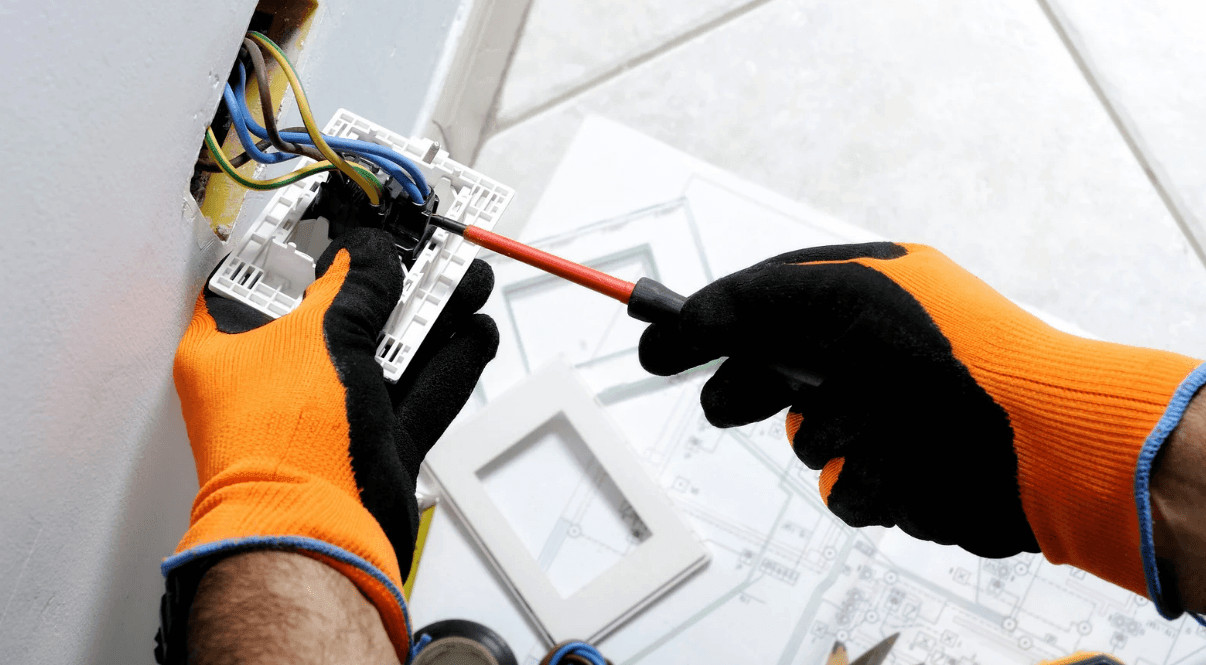
Home renovations can be very exciting. In the process of picking colors or designing your kitchen, one may forget to consider the installation of wiring. The existence of old wiring, inadequate switchboards, and insufficient outlets may cause many problems in the future. They may result in an unhealthy home or additional expenses. Planning the electrical work before renovation starts, including the position of every wire and outlet, is what keeps a project safe and on budget. This way, your home will be safer. Additionally, there will be lower electricity usage and suitability for modern electrical appliances. Perhaps you want some extra lights, a more powerful switchboard, or somewhere to charge your electric car. It is best to get help from a trusted electrician in Fitzroy early. This way, your project stays safe and runs well from start to finish.
1. Electrical Work Before Renovation: Start With Safety
Never fail to upgrade your switchboards, fit your Residual Current Devices (RCD/GFCI) and substitute any rubber/aluminum wires that may have aged before you carry out any renovations. Electrical safety is very critical in any form of home renovation. Wires that are concealed in your walls may be dangerous, especially in old homes more than 30 years.
Before you plan anything new, ask a licensed electrician to inspect what is already in the house. They can check the switchboard, the wiring behind the walls and whether your circuits can handle the load of the planned renovation. The results show which upgrades are essential and which can wait, so you can budget properly before work starts.
- Switchboard Capacity: Houses now need more electricity. There are a lot of factors that cause this, such as induction stoves, huge HVAC systems, and intelligent gadgets. A conventional ceramic switchboard will not be able to cater for these needs. It is dangerous to use with our current appliances.
- Safety Switches and RCDs: RCDs monitor how the electricity flows. In case something is wrong, they switch off the electricity immediately. This saves people from dying.
- Wiring Materials: Some houses have knob-and-tube or aluminum wiring materials. These are dangerous to use if you consume too much electricity. They have to be replaced completely.
2. Plan Your Electrical Upgrades Before the Walls Go Up
Design your wiring, smart lighting zones, and cable routes at the start of the framing process when remodeling. In a renovation, if you change the electrical plan, you will be able to add new elements and also conserve energy. That means that there is no need for you to have cables and trunking exposed.
| Renovation Zone | Key Electrical Consideration | Long-Term Benefit |
| Kitchen | Dedicated high-amp circuits for ovens & induction stoves | Prevents circuit trips during simultaneous appliance use |
| Living Spaces | Strategic placement of USB/USB-C outlets & dimmable LED zones | Enhances ambiance while cutting power consumption |
| Garage / Exterior | Pre-wiring for EV chargers & smart security lighting | Increases property market value and future utility |
The best time to involve an electrician is while your walls, floors and ceilings are still open. Moving a power point or running a new cable is simple at this stage and costs much more once the walls are closed. It is also when hidden problems show up, such as old cabling or damaged insulation, so they can be fixed before everything is covered.
3. How to Choose a Reliable Electrician
Use the services of an electrician who is completely licensed, insured, and certified and who provides quotations, certificates of compliance, and a guarantee on labor.
There are regulations that govern electrical installation to ensure safety. Electrical installation rules are designed not only to ensure personal safety but also the safety of the property. The risk of performing electrical installation by yourself is high; you might even lose the insurance of your home.
Step 1: Check License Status —> Confirm active state/regional electrical license
Step 2: Request Proof —> Verify public liability & workers’ compensation insurance
Step 3: Evaluate Past Work —> Check client reviews & request examples of similar projects
Step 4: Demand Written Scope —> Ensure itemized pricing covering rough-in, fit-off, & testing
Step 5: Obtain Certification —> Receive a compliance certificate upon project completion
When you look for the right skills and clear ways of talking, you can find a trusted electrician in fitzroy. The person can help you with your home job. They will keep things safe, so the work gets done well.
Planning electrical work before renovation is what keeps a home safe and a project easy. Use power setups that help you save energy. Work with skilled trade workers. This helps keep your family safe and takes care of the money you spend on your home. Check switchboards, wiring, and smart devices early when you plan your design. Doing this helps your new home work well and keeps it safe for a long time.
Frequently Asked Questions
When should an electrician enter the renovation process?
An electrician needs to check your place at the start when you are designing it. The job happens in two parts. The first part is the “rough-in” stage, and it comes before they put up the drywall. The second part comes once they install switches, lights, and appliances.
Why can’t I perform basic wiring updates myself?
Doing electrical work if you do not have a license is very risky. You can get an electric shock. A fire can start from bad wiring. The building can get damaged and people can get hurt. In most places, you are not allowed to do this kind of work if you do not have a license. Your home insurance will also not cover any problems that happen because of this.