Treating roofs, siding, windows, and gutters as isolated emergency repairs often leaves flashing gaps, duplicated scaffolding costs, and mismatched weather protection. When a windstorm tears off shingles or a drafty window lets in cold air, you face urgent decisions that piece together your house bit by bit.
Fixing one trouble spot at a time solves the immediate scare, yet it often leaves hidden weak points along the seams where different materials meet. Planning your exterior work as a single, coordinated upgrade gives you tighter weather protection, steadier costs, and a cleaner finish across your whole property.
How Does Bundling Cut Costs and Scheduling Headaches?
Hiring separate crews at different times multiplies the logistics of a remodel. You arrange parking, clear driveways, schedule days off work, and answer similar questions over and over. Bringing multiple exterior tasks into one project plan smooths out the calendar and cuts repeat setup work.
Scaffolding, lift rentals, dumpster drop-offs, and job-site cleanup eat up budget fast when paid for several times. Home Renovation and Remodeling Digest notes that grouping exterior and system upgrades into one planning cycle lets contractors share setup costs, line up schedules, and pass savings along to you.
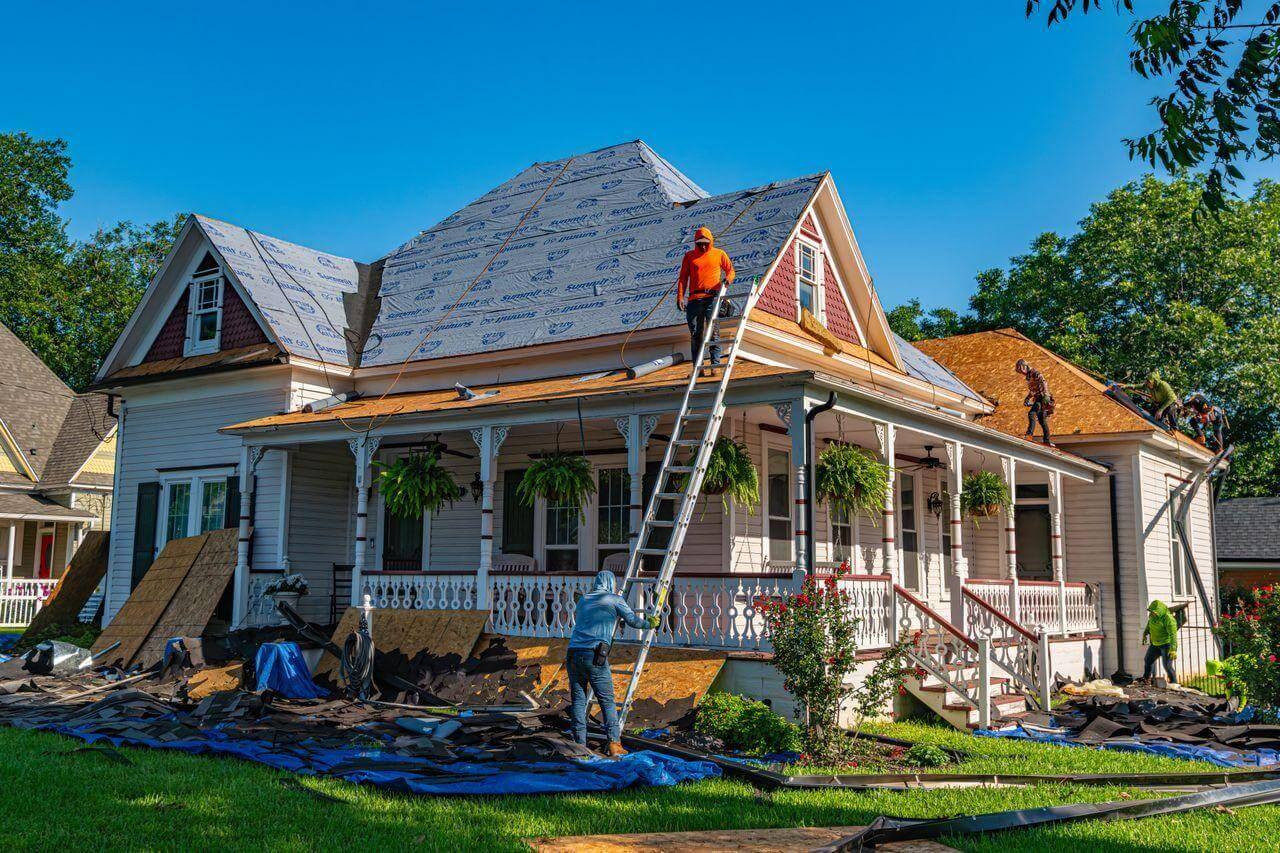
When working with experienced home exterior renovation contractors, you get one coordinated crew sequence that moves from top to bottom without leaving half-finished edges exposed to the weather. Bundling your exterior upgrades gives you a tighter weather seal, a more predictable budget, and a single point of accountability from start to finish.
Planning Crew Order From Top to Bottom
Starting high and working down keeps fresh work clean and protected. Crews can strip and deck the roof, address upper wall transitions, install windows and siding, and hang gutters in a logical flow.
- Trim setup repeats: Share lifts, scaffolding, and site protection across roof, wall, and trim phases.
- Sequence trade handoffs: Let roofers, window installers, and siding crews follow a clear order without waiting weeks between steps.
- Cut schedule disruption: Finish major exterior noise, deliveries, and yard protection in one focused stretch instead of several scattered weeks.
How Do Exterior Parts Work Together as a Shield?
Your roof, siding, windows, and gutters act as one connected shell around your home. Rainwater runs off roof shingles into gutters, while wind-driven moisture pushes against siding panels and window frames. When one piece ages faster or gets installed out of sequence, water looks for the easiest path behind your walls.
Why Flashing and Seams Decide Moisture Protection
Water rarely causes big trouble in the middle of a solid shingle or siding board. Instead, leaks start at transitions such as roof-to-wall intersections, window headers, and step flashing along chimneys or dormers. Research from the U.S. ENERGY STAR Program shows that pairing certified thermal window units with tight roof deck ventilation delivers strong long-term energy savings for homeowners.
When crews replace windows or siding without touching nearby roof edges or drip lines, old flashing stays put or gets bent out of shape. Matching new layers as you go keeps water shedding outward rather than soaking into sheathing and framing lumber.
- Check roof edges: Inspect drip edges, fascia boards, and valleys where runoff concentrates before new siding goes up.
- Seal window openings: Flash sills, jambs, and heads cleanly so driving rain cannot sneak behind trim.
- Align gutter slopes: Pitch gutters evenly toward downspouts so overflow never pools against siding or foundation walls.
What Happens When Materials Mismatch on Your House?
Mixing aged siding with brand-new windows or fresh roofing creates uneven wear across your walls. Older cladding might shrink, warp, or lose its seal right where fresh trim meets the wall. That mismatch invites drafts, bugs, and dampness that quietly erode comfort inside your rooms.
How Do You Keep Multi-Trade Timelines Realistic?
Even a well-planned bundle takes steady coordination because supply deliveries and weather windows can shift. You protect your schedule best by confirming material lead times upfront and agreeing on clear milestones before work starts. Good communication keeps small hiccups from stalling the whole project.
How Should You Judge Materials, Certifications, and Warranties?
Low upfront prices can look tempting until you factor in shorter lifespans or thin coverage when something fails. Looking closely at material specs, installer credentials, and warranty terms helps you spend wisely for lasting curb appeal.
Comparing Siding, Roofing, and Window Durability
Fiber cement siding resists rot, pests, and impact well, while vinyl siding offers low-maintenance color retention at a lighter price point. Architectural shingles and impact-rated roofing add strength against tough weather, and insulated windows help steady indoor temperatures year-round. Pick materials that match your local climate and how long you plan to stay in the home.
Checking Manufacturer Certifications and Workmanship Terms
A strong product still needs skilled installation to perform as promised. Ask how installers earn manufacturer certifications, since proper fastening and sealing often determine whether a product warranty stays valid. Read workmanship warranties carefully so you know who stands behind labor if a seam leaks later.
How Does Bundling Improve Curb Appeal and Color Harmony?
Choosing roof shingles, siding textures, window frames, and gutter colors at the same time lets you design your exterior from a single palette.
When you replace components years apart, popular siding colors get discontinued, and shingle granules fade unevenly, leaving your facade looking pieced together. Selecting every finish together ensures trim profiles, undertones, and metal accents complement one another for a crisp, unified look that strengthens street-level appeal.
Can One Permit and Inspection Cycle Cover the Whole Project?
Pulling municipal building permits and submitting Homeowners Association (HOA) architectural requests once saves weeks of administrative back-and-forth.
Instead of waiting on separate approvals for a roof tear-off, window resizing, and siding replacement, your contractor can submit a single comprehensive scope of work. Local inspectors can also sign off on structural sheathing, flashing, and weather barriers in coordinated visits, preventing unexpected stop-work delays mid-project.
How Can You Budget and Finance a Full Exterior Bundle?
Bundling multiple upgrades requires a larger upfront commitment than a single patch job, yet it often unlocks better financing options and lower per-trade labor rates.
Home equity lines, renovation loans, and contractor payment plans let you spread the investment predictably rather than draining emergency savings every time a storm hits. Because coordinated exterior upgrades consistently rank among the highest-return remodeling projects, you also recoup a substantial share of the cost in home equity and lower monthly utility bills.
Bundle your roof, siding, window, and gutter upgrades into one cohesive plan so your home gains stronger weather defense, fewer scheduling headaches, and lasting value. You do not have to guess at piecemeal fixes when a thoughtful plan ties every surface together from the start.