Home renovations can leave behind more than a refreshed room or upgraded living space. Removing old flooring, replacing cabinets, repairing walls, and updating fixtures can generate piles of drywall, wood scraps, broken tiles, packaging, metal, and other construction debris. If these materials are not handled properly, they can make the property difficult to navigate and delay the final cleanup.
A clear plan to remove construction debris after renovations helps homeowners manage waste without allowing it to build up around the property. For projects involving bulky materials or large amounts of unwanted debris, professional junk removal services can provide assistance with loading and hauling, depending on the materials accepted by the provider.
Here are practical steps for removing construction debris after a home renovation.
1. Identify and Separate Different Types of Debris
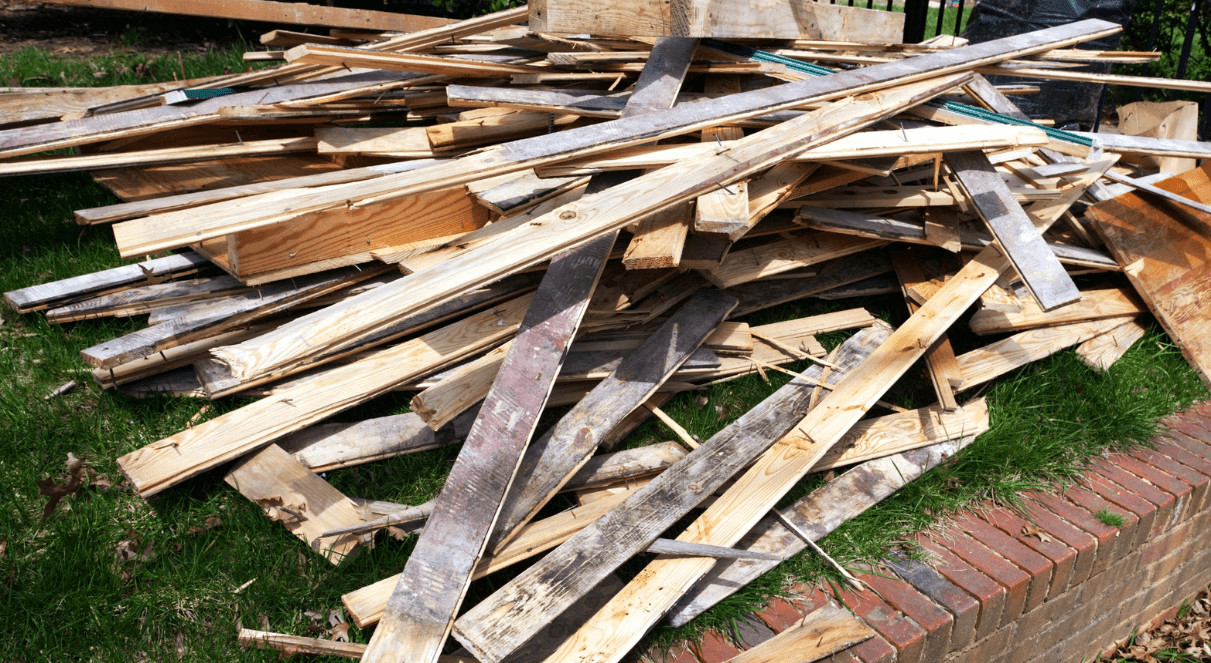
The first step is understanding what the renovation has produced. Construction debris can include drywall, lumber, concrete, bricks, metal fixtures, flooring, cardboard packaging, and damaged cabinets. These materials should not automatically be treated as one category of waste.
Separating debris makes it easier to identify materials that can be reused, recycled, or disposed of through appropriate facilities. For example, clean lumber may be suitable for another project, while certain metals can be taken to recycling facilities.
Homeowners can establish separate collection areas for general waste, recyclable materials, and reusable building supplies. Keeping these categories apart also reduces the time needed to sort everything later.
However, materials that may contain hazardous substances should be kept separate and handled according to applicable requirements rather than mixed with ordinary renovation waste.
2. Salvage Materials That Can Be Reused
Not everything removed during a renovation needs to be discarded. Some building materials retain their usefulness even after being taken out of their original location.
Undamaged doors, cabinets, lighting fixtures, plumbing components, solid wood, and architectural details may be suitable for resale, donation, or reuse in another project.
Homeowners can inspect removed materials before disposal and set aside pieces that remain structurally sound. Local architectural salvage businesses, reuse organizations, and building material donation programs may accept certain items.
The U.S. Environmental Protection Agency recommends reducing, reusing, and recycling construction and demolition materials to conserve resources and limit unnecessary disposal. Its construction and demolition material reuse and recycling guidance provides examples of materials that may be recovered for future use.
3. Choose the Right Dumpster or Container for Heavy Debris
Construction debris can become surprisingly heavy, especially when a renovation involves concrete, brick, tile, plaster, or masonry. Using ordinary household trash bags or small bins for these materials may create handling difficulties and exceed collection limits.
For larger projects, homeowners may consider renting a construction dumpster or another suitable waste container. The correct size depends on the renovation’s scope, the volume of debris, and the materials being removed.
Before renting a container, check its weight restrictions and prohibited materials. Concrete and other dense materials can reach weight limits before a container appears full. Some providers also require separate containers for certain waste categories.
The container should be placed somewhere accessible without blocking driveways, walkways, or neighboring properties. Homeowners should also confirm whether local permits or placement approvals are necessary.
Some homeowners skip the container and haul debris themselves to a local landfill or transfer station, where fees are usually charged by weight. Many areas also offer bulk pickup for small amounts, but rules for construction materials vary, so check with the local waste authority first. Debris should never be buried or dumped on the property, since that can lead to fines and contaminate soil and groundwater.
4. Safely Handle and Remove Construction Debris After Renovations
Construction debris can create hazards when left scattered around a renovation site. Broken tiles, exposed nails, sharp metal edges, and loose wood can cause injuries, while fine dust may create respiratory concerns.
Homeowners should use appropriate protective equipment when handling ordinary debris, including sturdy gloves, protective footwear, and eye protection. Heavy materials should be lifted carefully, and oversized pieces should not be carried without sufficient assistance.
It is also important to keep walkways and work areas clear. The Occupational Safety and Health Administration requires construction debris and scrap materials to be cleared from work areas, passageways, and stairs during construction and repair activities.
Older properties may contain asbestos or lead-based materials. If these substances are suspected, homeowners should avoid disturbing them and seek qualified assessment and handling rather than placing them in ordinary construction waste.
5. Arrange Professional Removal for Large Cleanouts
Some renovation projects produce more debris than homeowners can reasonably transport themselves. Large quantities of drywall, old cabinets, flooring, damaged furniture, and other bulky materials can require additional labor, suitable vehicles, and multiple disposal trips.
Professional junk removal can help reduce the physical work involved in clearing these materials. Depending on the provider’s accepted items and service arrangements, a removal crew may handle loading and hauling so homeowners can focus on completing the remaining renovation tasks.
Before scheduling a pickup, homeowners should provide an accurate description of the debris, including its approximate volume and material types. They should also ask about pricing, access requirements, weight restrictions, and whether construction materials are accepted.
Cost is worth comparing before you book. Dumpster rentals are usually priced by size and rental period, while junk removal is often priced by how much space the debris takes up in the truck. Landfill fees can add to either total, and heavy debris such as concrete can push a dumpster past its weight limit. [NEEDS SOURCE: current average cost ranges for dumpster rental and junk removal; these vary by area] Asking two or three providers for a quote based on the same description of the debris makes the options easier to compare.
Hazardous materials, including suspected asbestos and certain chemical products, generally require specialized handling and should never be assumed to be covered by ordinary junk removal services.
Complete the Renovation With an Organized Cleanup
Removing construction debris is an important part of finishing a home improvement project. Separating materials, salvaging reusable supplies, choosing suitable containers, and following safe disposal practices can make the cleanup process more manageable.
Homeowners planning future improvements can also benefit from Charles & Hudson’s guide on preparing a home before renovation begins, which discusses clearing unnecessary belongings before construction starts.
With a practical removal plan, homeowners can clear construction debris after a renovation more efficiently, protect usable materials, and prepare the improved space for its next use.