My AC stopped blowing cold air sounds like a single, simple problem, and it’s one of the most common phrases typed into a search bar on a hot afternoon.
But that one symptom can trace back to a dozen different causes, each with a different price tag, which is why two homeowners describing what sounds like the same issue can end up with AC repair bills that look nothing alike.
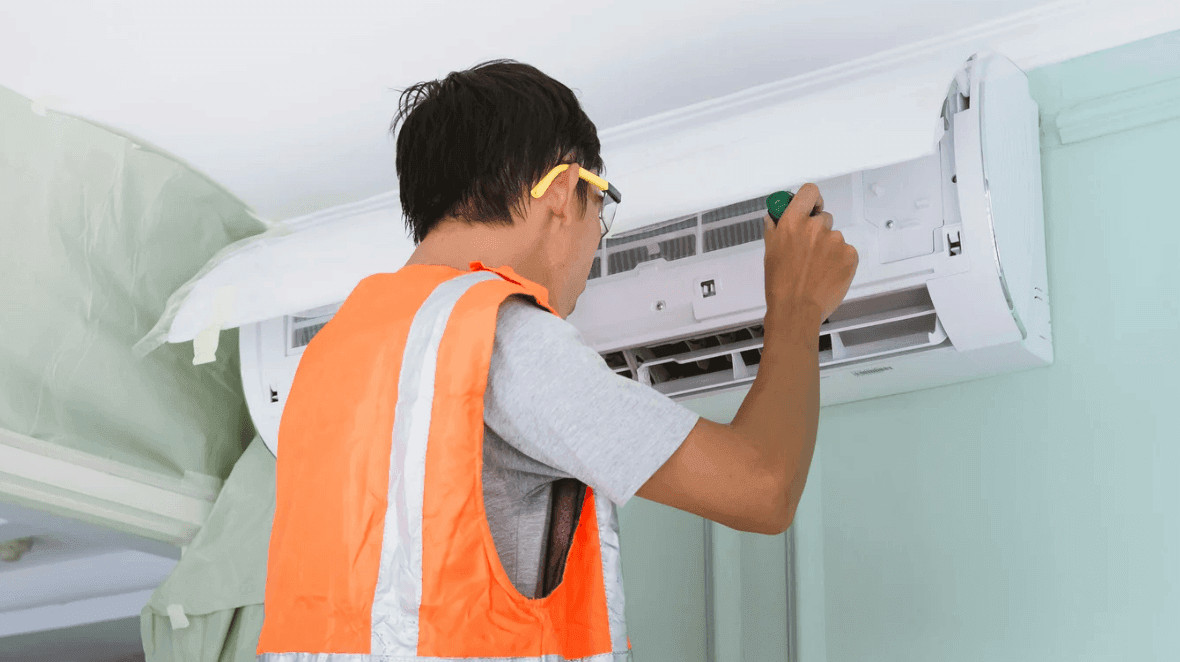
.
Why the Same Symptom Can Have Such Different Causes
When an AC stops cooling, the actual culprit could be anything from a tripped breaker or a clogged filter restricting airflow, both inexpensive, fast fixes, to a failed capacitor, a refrigerant leak, or a compressor on its way out, each requiring a different part, a different diagnostic process, and a meaningfully different amount of labor.
A technician can’t price a repair accurately over the phone based on “it’s not blowing cold,” because that description alone doesn’t actually tell you which of these is happening.
Air conditioner repair costs can vary widely depending on which part needs replacing. A faulty capacitor is usually a relatively inexpensive fix, while replacing a compressor can cost much more because of the parts and labor involved. The age, brand, and condition of your AC system can also affect the final price.
Before approving any major repair, ask for a written estimate that includes parts, labor, and warranty coverage. If the repair is expensive, compare the cost with replacing the unit, especially if your system is nearing the end of its expected lifespan.
Why Diagnostic Time Itself Affects the Final AC Repair Bill
Some common AC problems reveal themselves in minutes. A visibly tripped breaker or an obviously dirty filter takes almost no time to identify.
Other problems, like an intermittent electrical fault or a slow refrigerant leak that’s hard to pinpoint, require considerably more diagnostic time before a technician can even say what the actual fix will be.
That diagnostic labor is real, billable time, and it’s part of why a repair that sounds simple on the phone can end up costing more once a technician has actually spent an hour tracing down an elusive cause.
Why Age and System Type Change the Math
An older system, especially one running on a phased-out refrigerant like R-22, often costs considerably more to repair than a newer system, since replacement refrigerant and compatible parts are harder to source and more expensive when they are available.
A newer, more common system usually has more readily available parts, which keeps repair costs more predictable.
This is part of why the same failure, say a worn-out compressor, can cost dramatically different amounts depending on the unit’s age and model.
Maintenance matters here too. Regular filter changes, annual tune-ups, and a clear outdoor unit tend to catch small problems before they become larger repairs.
Why Time of Year and Time of Day Matter Too
A repair scheduled during a routine weekday appointment typically costs less than an emergency call placed on a Saturday night during a heat wave, when demand for AC technicians spikes and availability tightens.
This isn’t price gouging; it reflects the genuine cost of maintaining technicians available for urgent, after-hours calls.
If your situation can reasonably wait for standard business hours, it’s worth asking directly whether that saves you anything on the service call.
What a Fair, Transparent Repair Process Actually Looks Like
A trustworthy technician diagnoses the actual problem first, explains what they found in plain language, and gives you a clear, written price before starting any repair work, not after.
If a repair scope expands once the technician has a direct look at the system, that expanded scope should be explained clearly, with updated pricing, rather than appearing as a surprise on the final invoice.
A trustworthy technician will also say when a repair stops making financial sense. On an older system with a major failure, they should lay the repair cost beside the cost of replacement so you can decide calmly.
What You Can Reasonably Ask Before Agreeing to a Repair
A few direct questions help you understand what you’re actually paying for: What specifically is causing the problem, and how did you confirm that?
Is this part readily available, or does sourcing it add time and cost? Would this repair cost less if it weren’t an emergency call? What warranty covers this specific repair?
Why a Fully Stocked Service Vehicle Genuinely Affects Your Bill
One underrated factor in repair cost is whether a technician’s truck already carries the part your system needs.
A technician who has to leave, source a part, and return adds a second visit’s worth of time and scheduling delay to the job, while one working from a fully stocked vehicle can often complete a repair, start to finish, during the original visit.
This difference shows up both in your final cost and in how long you’re without cooling.
Getting a Repair Priced Based on What’s Actually Wrong
Because the real cost of an AC repair depends on the specific cause, the system’s age, and how readily available the needed parts are, not on how the symptom sounds over the phone- it’s worth working with a technician who diagnoses first and explains clearly before any work begins.
AC Repair and Replacement handled this way means you understand exactly what you’re paying for, whether the fix turns out to be a five-minute capacitor swap or a more involved repair that genuinely requires the extra time.