Finding the right air conditioner for an apartment can improve comfort, reduce energy costs, and ensure proper cooling without overloading your space.
Apartments often have unique requirements due to limited space, shared walls, and building regulations.
Understanding the types of AC units for apartments and their features helps tenants and landlords make informed decisions in 2026.
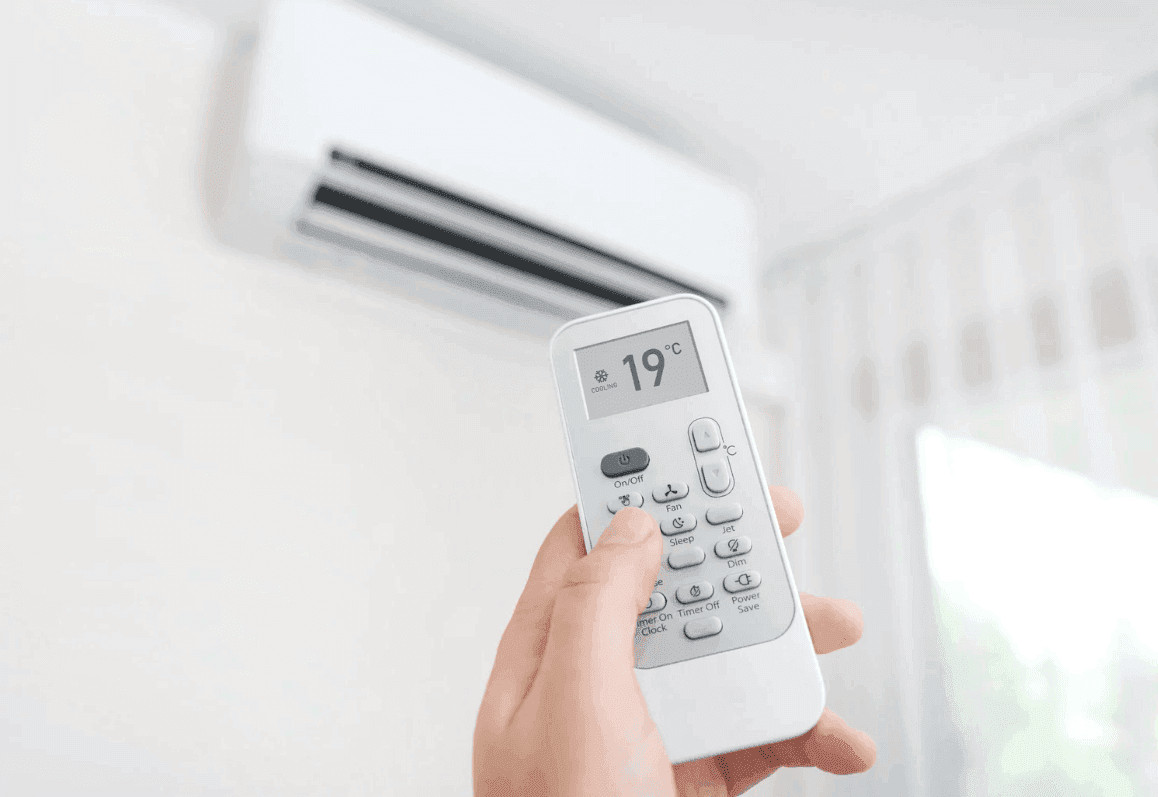
Types of AC Units for Apartments
1. Window Air Conditioners
Window AC units are compact, self-contained systems installed in a window or wall opening.
Benefits:
- Affordable upfront cost
- Easy installation
- Efficient for cooling single rooms
Considerations:
- Limited cooling area
- Blocks natural light from windows
- Noise can be noticeable
2. Portable Air Conditioners
Portable units sit on the floor and vent hot air through a window kit.
Benefits:
- No permanent installation required
- Can be moved between rooms
- Ideal for rental apartments where modification is restricted
Considerations:
- Less efficient than window units
- Requires venting through a window
- May be bulky and occupy floor space
3. Split or Ductless Mini-Split Systems
Ductless mini-splits have an indoor unit and an outdoor compressor connected by refrigerant lines.
Benefits:
- Quiet operation
- Efficient cooling for larger apartments or multiple zones
- Does not require ductwork
- Can provide both heating and cooling
Considerations:
- Higher upfront cost
- Professional installation required
- Wall space needed for the indoor unit
4. Central Air Conditioning (If Apartment Has Ducts)
Some apartments, especially in modern or luxury complexes, have central air systems.
Benefits:
- Even cooling throughout the apartment
- Minimal visible equipment
- Works quietly in the background
Considerations:
- Installation limited to apartments with existing ductwork
- Less control over individual room temperature in shared units
- Higher operating costs if cooling a small space unnecessarily
Key Features to Consider
When selecting air conditioning units for apartments, according to Clover’s Premier AC Repair & Installation Service, you need to keep these features in mind:
- Cooling Capacity (BTU): Choose a unit sized for your apartment square footage. Too small = inadequate cooling; too large = inefficient operation.
- Energy Efficiency (EER/SEER ratings): High-efficiency units save on electricity and reduce monthly bills.
- Noise Levels: Apartments often have shared walls, so quieter units are preferable.
- Installation Restrictions: Check landlord rules regarding window units or permanent installations.
- Maintenance Requirements: Removable filters, easy drain management, and professional servicing availability matter for long-term reliability.
Benefits of Proper Air Conditioning in Apartments
- Comfortable indoor temperature year-round
- Better air circulation and quality
- Reduced humidity and mold risk
- Energy savings with efficient systems
- Increased property value or tenant satisfaction for landlords
Tips for Apartment Owners and Renters
- Measure your apartment space to select the right BTU rating
- Consider portable units if permanent installation isn’t allowed
- Clean filters regularly to maintain efficiency
- Choose units with energy-saving modes to reduce operating costs
- Consult building management before installing permanent systems
Conclusion
Choosing the best air conditioner for an apartment requires balancing size, efficiency, noise, and installation limitations.
Window units and portable ACs are ideal for renters or small spaces, while ductless mini-splits and central systems offer advanced comfort for larger apartments.
Understanding types of AC units for apartments helps tenants and landlords ensure a comfortable, energy-efficient living environment in 2026.