Few household plumbing problems are as common, or as frustrating, as a blocked drain. Water that will not drain, a sink that backs up, or a shower that pools around your feet are everyday annoyances that most homeowners encounter sooner or later.
The good news is that understanding what causes blocked drains, and how to prevent them, can help keep your drains clear and spare you the frustration. And knowing when a blockage calls for professional help ensures that stubborn or serious problems are properly resolved. This guide looks at the causes, prevention, and resolution of blocked drains.
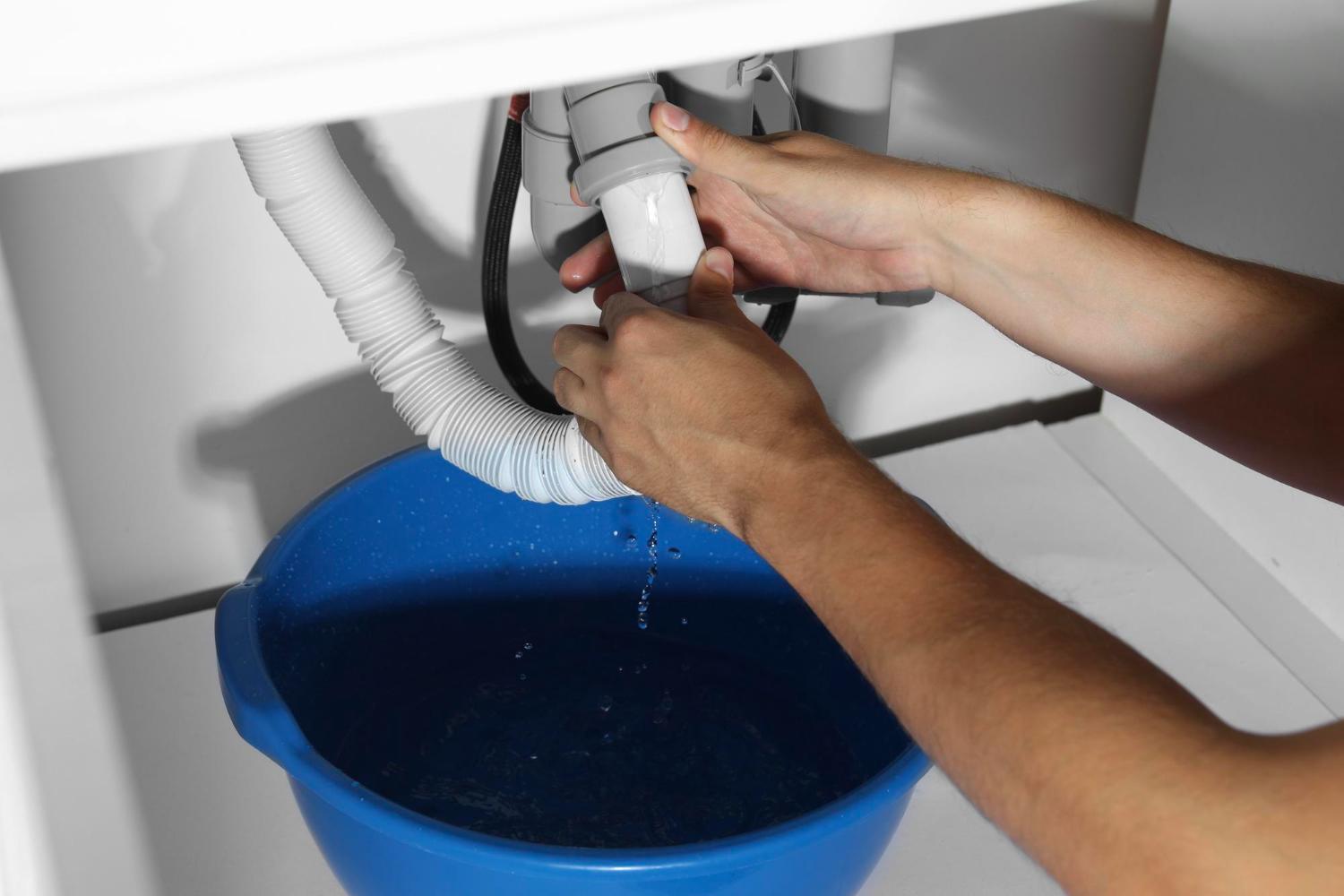
Image by New Africa on Magnific
What Causes Drains to Block
Blocked drains have a range of causes, most of them related to things that should not go down the drain accumulating over time. In kitchen drains, grease, fat, and food scraps are common culprits, building up inside pipes and gradually restricting flow. In bathroom drains, hair and soap residue often combine to form blockages. Over time, these materials accumulate, narrowing the passage until water struggles to drain and eventually backs up.
Other causes include foreign objects that find their way into drains and, in some cases, issues affecting the drainage system itself, such as problems with the pipes. Understanding these causes helps homeowners see why blockages develop and how to prevent them.
Most everyday blockages result from the gradual accumulation of materials that should not go down the drain, which means that many can be prevented with the right habits. Recognizing what causes drains to block is the first step toward keeping them clear, allowing homeowners to address the root causes rather than simply reacting to blockages after they form. Prevention, as we will see, is largely a matter of managing what goes down the drain.
Simple Habits to Prevent Blockages
Because most blockages result from the accumulation of materials in drains, many can be prevented through simple habits. In the kitchen, avoiding pouring grease and fat down the drain, and keeping food scraps out of the sink, prevents the buildup that commonly causes kitchen blockages. Disposing of these materials in the bin rather than the drain is a straightforward way to keep kitchen drains clear.
In the bathroom, using drain covers to catch hair, and being mindful of what goes down the drain, helps prevent the hair and residue blockages that are common there. More generally, being conscious of what enters drains, and keeping out anything that should not go down them, is the essence of blockage prevention.
These simple habits, applied consistently, can significantly reduce the likelihood of blocked drains. For homeowners, adopting these preventive practices is an easy and effective way to keep drains clear and avoid the frustration of blockages. A little mindfulness about what goes down the drain goes a long way toward preventing the buildup that causes most blockages, sparing homeowners considerable annoyance.
Tackling Minor Blockages
When a minor blockage does occur, there are some approaches a homeowner might reasonably try. Simple methods can sometimes clear minor blockages caused by accumulated materials, addressing the problem without professional help. For capable homeowners, attempting to clear a minor blockage with sensible, gentle methods can be a reasonable first step for a straightforward, minor issue.
However, it is important to approach this sensibly and to recognize the limits of DIY drain clearing. Harsh methods can sometimes cause damage, and not every blockage is suitable for DIY attempts. If a minor blockage does not clear easily, or if there are signs of a more serious problem, it is wiser to turn to professional help rather than persisting with increasingly forceful attempts.
When homeowners in the Adelaide area face a blockage they cannot easily clear, engaging a blocked drains plumber Adelaide ensures the problem is resolved properly. Knowing which minor blockages might be tackled at home, and which call for a professional, helps homeowners address drain problems appropriately without making them worse. Sensible judgment about the limits of DIY is key to handling blockages well.
When to Call a Professional
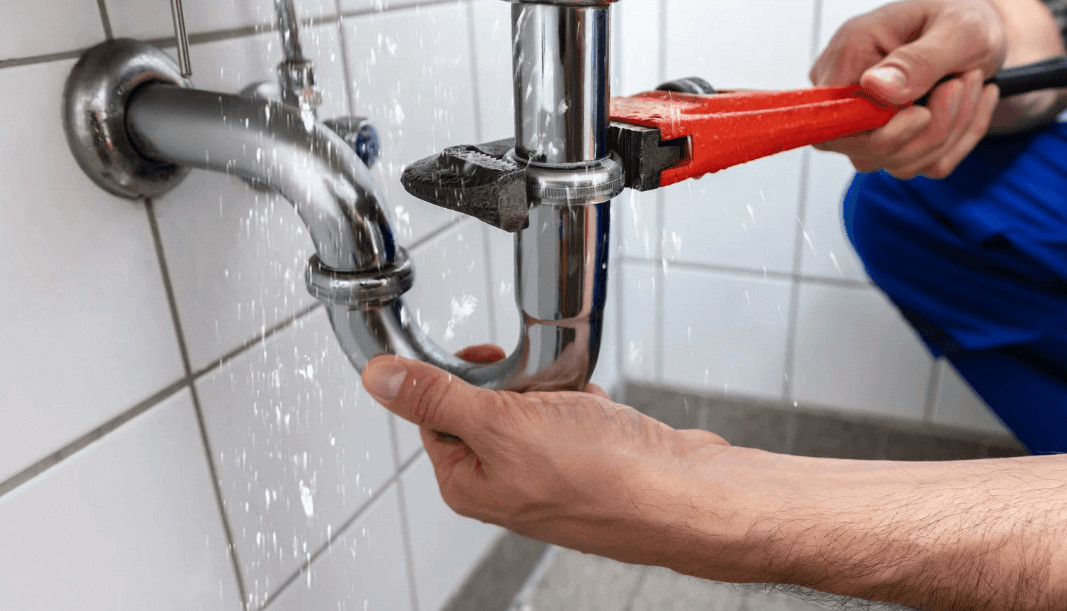
While minor blockages might sometimes be cleared at home, many drain problems call for professional help, and recognizing these situations is important. Persistent or recurring blockages that do not resolve with simple measures often indicate a more significant issue that warrants professional attention. Serious blockages, multiple blocked drains, or signs of a problem with the drainage system itself similarly call for a professional.
In these cases, a professional plumber has the expertise and equipment to diagnose and resolve the problem properly, addressing the underlying cause rather than just the symptoms. Consumer guidance from SA.GOV.AU, the South Australian Government’s information service, encourages homeowners to engage qualified, licensed tradespeople for plumbing work, which applies to significant drain problems.
Attempting to force a resolution to a serious blockage without the proper expertise can make matters worse, which is why professional help is the sound choice for stubborn or serious problems. Recognizing when to call a professional ensures that drain problems beyond simple blockages are resolved correctly, protecting the drainage system and restoring proper function. Knowing when to hand off the problem is part of handling blocked drains wisely.
Keeping Your Drains Flowing
Blocked drains are a common household frustration, but understanding their causes, prevention, and resolution helps homeowners keep their drains clear and handle blockages effectively. Since most blockages result from the accumulation of materials that should not go down the drain, simple preventive habits can significantly reduce their occurrence, sparing homeowners considerable annoyance. Prevention really is the best approach to blocked drains.
When blockages do occur, knowing which minor ones might be tackled at home and which call for a professional helps homeowners resolve them appropriately. For persistent, serious, or recurring blockages, professional help ensures the problem is properly diagnosed and resolved, addressing the underlying cause.
By combining preventive habits with sensible judgment about when to seek professional help, homeowners can keep their drains flowing freely and minimize the frustration of blockages. Blocked drains may be a common problem, but with the right approach to prevention and resolution, they need not be a persistent one. Keeping drains clear is largely within a homeowner’s power, with professional help available for the problems that warrant it.