Building a home from the ground up gives you control over details that are difficult or impossible to change in an existing property. You can decide how the rooms connect, where the windows go, how much storage you need, and what kind of outdoor space fits your lifestyle. But that freedom also means making many important decisions before construction begins.
This is especially true in Clearwater, FL, where the property, local requirements, weather, and the way you plan to use the home can all affect the project.
The best time to work through these questions is before the first piece of lumber arrives. This guide covers seven decisions to make early so your plans, budget, and construction process are working toward the same goal.
1. Decide How You Want to Live in the Home
Start with your daily routine rather than the appearance of the house. Think about how you wake up, prepare meals, work, relax, entertain guests, and store the things you use every day.
Do you need a home office that can be closed off from the rest of the house? Would a larger kitchen make family life easier? Do you want the primary bedroom away from busy areas? If you have children or expect to stay in the home for many years, think about how those needs could change.
These choices shape the floor plan. A beautiful layout can still become frustrating if it does not match the way you actually live.
2. Choose the Right Builder and Project Delivery Approach
The builder you choose will influence much more than the quality of the finished house. They may also affect how clearly the project is planned, priced, permitted, and managed.
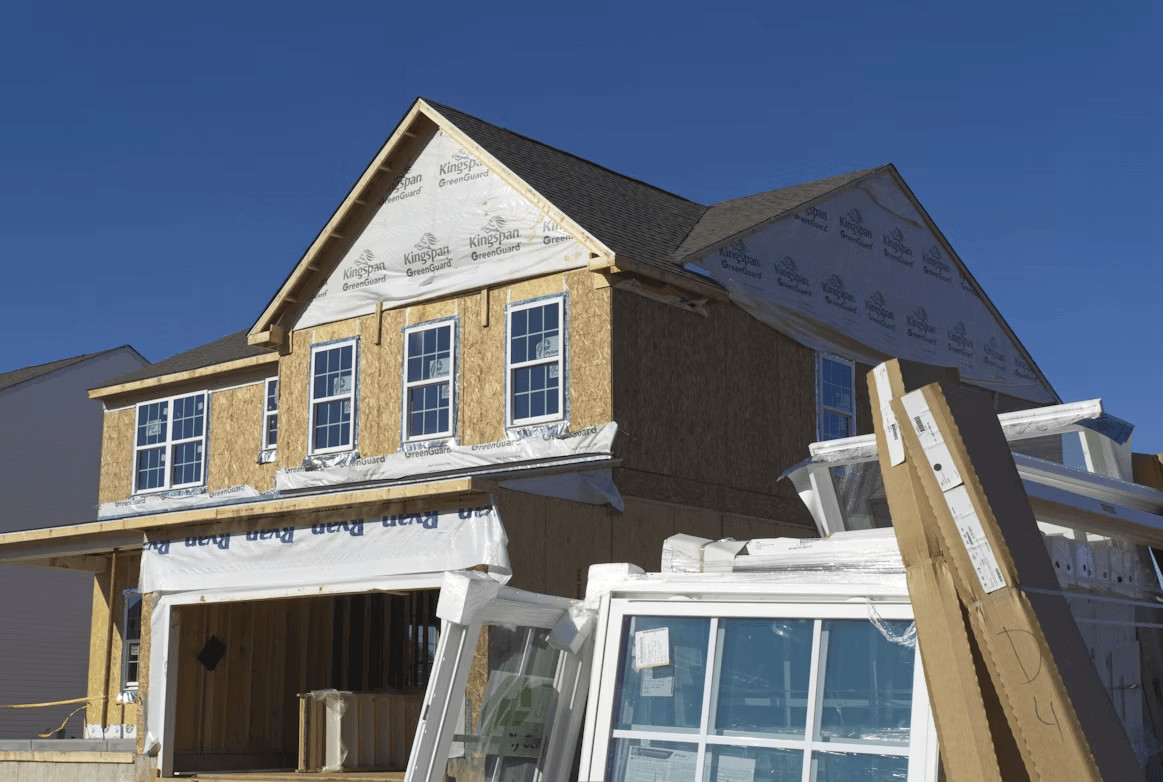
Before building custom homes in Clearwater, FL, it’s important to ask who will handle design coordination, engineering, permitting, construction, and communication. A process where these pieces are disconnected can create confusion when a design decision affects the construction budget or a local permit requirement forces a change.
Construction Corps, for example, uses a design-build model that brings design development, construction drafting, engineering coordination, permitting, and construction into one coordinated process. The company mentions that this approach allows key decisions to be reviewed together before work begins on site.
The important thing is to understand exactly who is responsible for each stage before signing a contract.
3. Set a Realistic Budget, Not Just a Construction Number
A custom home budget needs to cover more than the basic cost of putting up the structure. Depending on the property and project, you may also have to account for design, engineering, permits, site preparation, utility connections, landscaping, appliances, finishes, and other expenses.
The National Association of Home Builders found that construction costs represented 64.4% of the average new-home sales price in 2024, while the finished lot accounted for another 13.7%.
Your own numbers will be different, but the point is useful: the headline construction price does not tell the whole story. Establish a realistic total budget and leave room for unexpected costs before you start choosing expensive finishes.
4. Understand the Lot Before Finalizing the Design
Before finalizing plans, find out about drainage, soil conditions, setbacks, access, utilities, easements, flood considerations, and other restrictions that may affect what can be built. The lot may also influence where the home sits, how large the footprint can be, and which rooms receive the best natural light.
This is one reason early feasibility work is valuable. Discovering a site problem after the plans are finished can force expensive changes to the design.
The lot can also affect decisions that seem unrelated at first. The position of the home may change the placement of windows, driveways, patios, drainage systems, and outdoor living areas. Getting those relationships right early can make the construction phase much smoother.
5. Decide Which Features Matter Most
Custom construction can make it tempting to say yes to everything. The problem is that every upgrade has a cost, and some features will matter far more to you than others.
Make a list of your priorities before selecting finishes. Maybe energy efficiency is important to you. Maybe you care more about a large kitchen, durable flooring, outdoor living space, or extra storage. Once you know your priorities, it becomes easier to spend money where you will actually notice the difference. You can also avoid using the budget on attractive extras that seemed important during the design stage but have little value to your daily life.
6. Plan for Florida’s Climate
A home in Clearwater or anywhere around Florida has to deal with heat, humidity, heavy rain, and strong storms. These conditions should influence decisions about materials, windows, roofing, insulation, drainage, outdoor spaces, and mechanical systems.
Think beyond how the home will look on move-in day. Materials and systems should also make sense for the conditions they will face over the years. This is another area where design and construction need to work together. A feature that looks good on paper may require changes to drainage, structural support, or another part of the building. Reviewing those details before construction can prevent problems later.
7. Decide What Needs to Be Final Before Construction Starts
Not every decision has to be made months in advance, but the major ones should be settled before they affect construction. That includes the overall floor plan, structural elements, major systems, window locations, plumbing layouts, electrical requirements, and other details that become difficult or expensive to change once work is underway.
Permits are also part of this process. Unless exempt, building plans have to move through local review before construction can proceed, so changes made late in the process can create delays as well as extra costs.
Final Thoughts
Building a custom home is a major project, but the process becomes easier when important decisions are made in the right order. Start with how you want to live, then work through the builder, budget, property, priorities, climate, and construction details.
You do not need to have every light fixture or cabinet color chosen on day one. What matters most is having the big decisions settled early enough that the design, budget, permits, and construction plan all support the same vision. A little more thought before construction begins can save a lot of frustration once the work is underway.