A yard asks for attention all year, and the jobs rarely arrive one at a time. The lawn needs mowing while the drainage needs fixing, and a leaning fence waits until a storm forces the issue.
Planning solves most of this. A yard plan gives each job a season and a budget, and it gives you a reason to skip a sale, delay an upgrade, or finish a repair first. The approach follows the same logic we covered in our blog, planning a Year of Home Improvements.
The goal is the right work at the right time. Filling every weekend is optional.
Start With What the Yard Needs
Walk the property before you write a list. Watch how water moves after rain, and look for thinning grass, overgrown trees, and irrigation zones with weak coverage. Check fences, gates, walkways, and any spot where the soil has settled.
Sort what you find into repairs and upgrades, and start with repairs. A low corner where water pools deserves attention before new sod goes down, since the sod will fail in the same spot. Drainage, grading, and tree work come ahead of planting and decoration for the same reason. Money spent on the first group protects everything you add later.
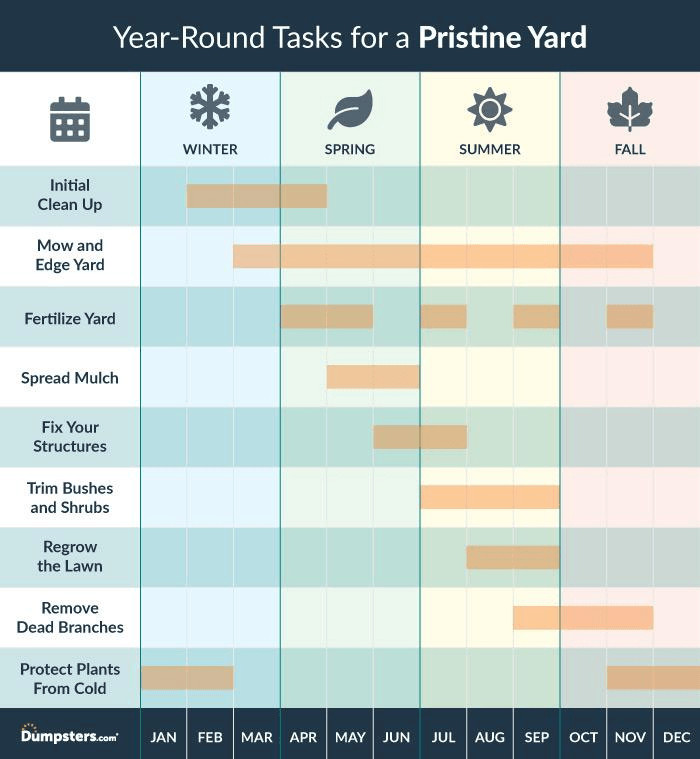
Write each job down with a rough cost and a season. This list is the plan.
Set a Budget With Room for Surprises
Price each job in full: materials, equipment rental, delivery, disposal of old material, and paid help. Rank the jobs by urgency, with safety and water damage first, then lawn health, then appearance.
Then add a cushion. A failed sprinkler valve or a storm-damaged tree can arrive at any point in the year, and an unplanned repair pushes back the work you scheduled. Costs often rise while you wait, so a cushion also keeps a small problem from turning into an expensive one.
Spring Is for Drainage, Seeding, and Setup
Mild weather makes spring the best time for groundwork. Fix drainage, regrade low spots, and seed bare patches while the soil stays moist. Feed the lawn once growth starts, and apply pre-emergent weed control before the soil warms if crabgrass has been a problem. Follow the label on every product.
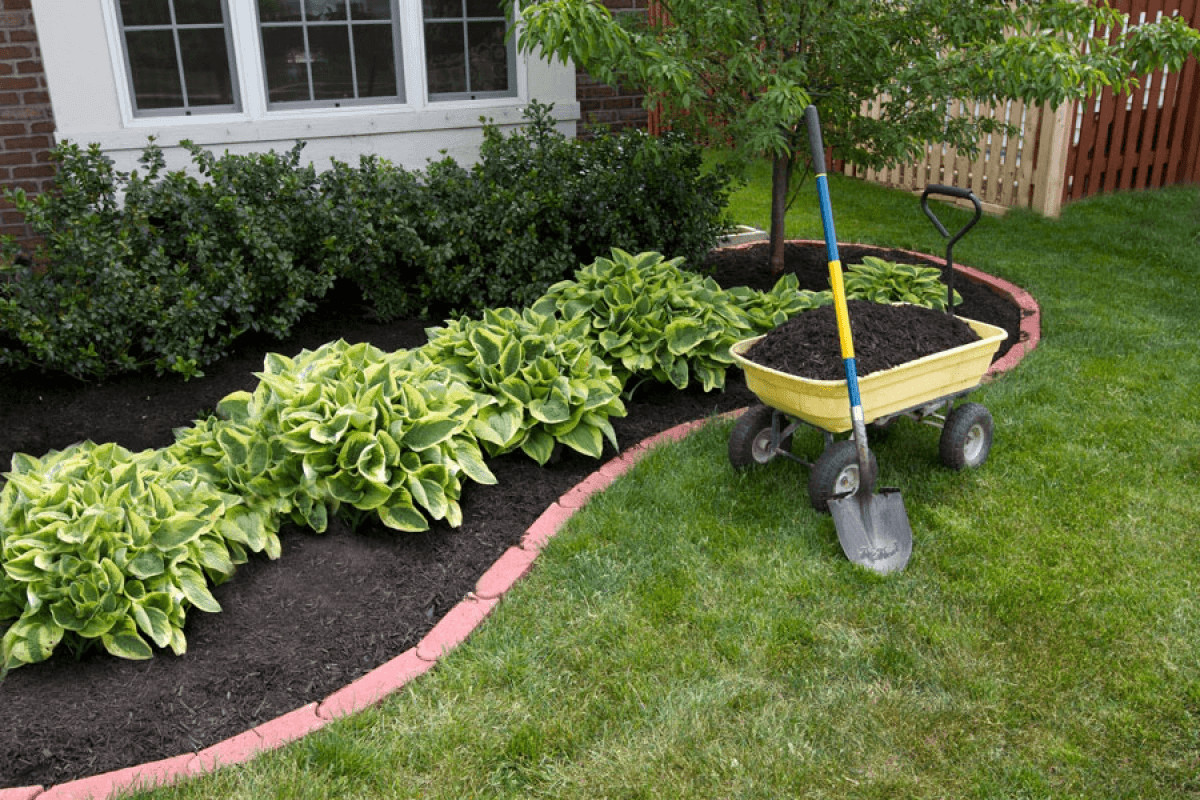
Refresh mulch around trees and beds to hold moisture through summer. If the property is new to you, this guide to easy landscaping tips for new homeowners covers many of the first steps.
Spring is also the time to prepare equipment. Sharpen mower blades, change the oil and spark plug on gas machines, test trimmers and blowers, and charge batteries. A tune-up takes an afternoon. A machine breaking down in the first week of growth costs far more.
Summer Is for Routine Upkeep
Once the grass grows at full speed, upkeep turns into a weekly rhythm. Mow, water early in the morning, edge the borders, and pull weeds before they set seed. Each job is easy alone, and the difficulty comes from repetition.
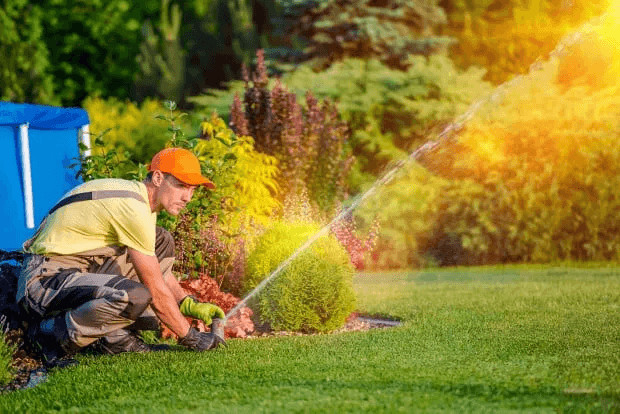
Small habits help. Check sprinkler heads for clogs and misdirected spray at the start of the season. Water deeply and less often, so roots grow down, and the lawn handles dry spells better. Raise the mower height in hot weather, since taller grass shades the soil and holds moisture. Summer weather adds its own demands too. Heat waves and storms can undo a week of work in an afternoon, so leave room in the schedule for cleanup.
Which Jobs Are Worth Automating
Repeating jobs suit automation, and mowing is the largest. A robotic mower handles the work on a schedule while you spend the weekend on projects needing hands, like fence repair or a new planting bed.
The Segway Navimow mower can be scheduled through the app, and many current models establish virtual boundaries rather than requiring a physical boundary wire. Before buying, confirm coverage, terrain, and docking requirements for the model and yard.

Robotic lawn mowers offer a hands-free way to keep up with routine mowing. Features vary by model, but current options include wire-free navigation and app-based setup. Check the recommended lawn size, terrain limits, and local signal or network requirements before choosing one.
Fall Is for Cleanup and Buying Gear
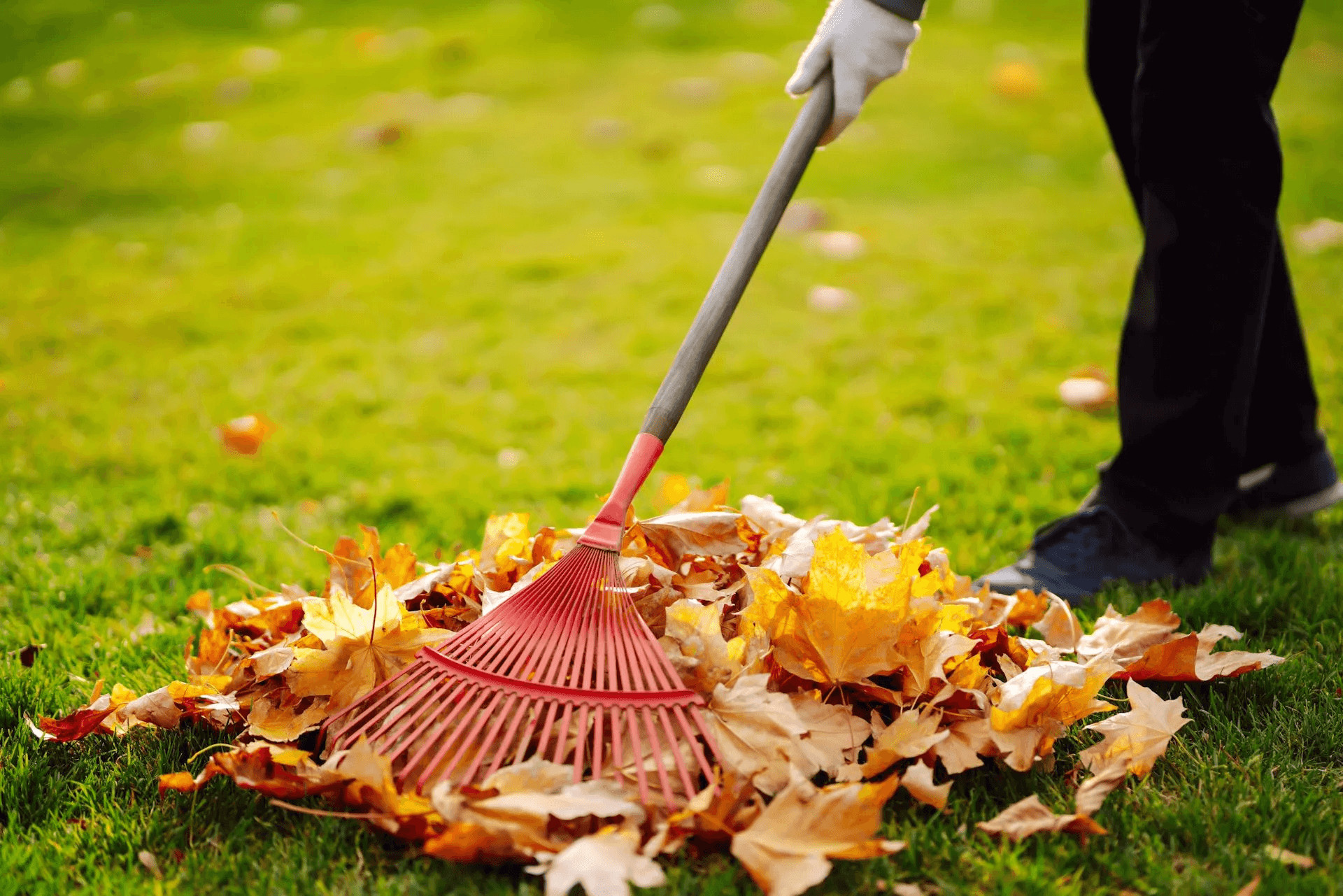
Fall brings leaves, and leaves smother grass when they sit in place. Clear them regularly, or mulch them with the mower to feed the soil. Clean gutters and downspouts once the leaves fall, since clogged gutters send water toward the foundation and the low spots in the yard.
Core aeration in early fall relieves compacted soil, especially where foot traffic is heavy, and overseeding right after lets seed reach the ground. Apply fall fertilizer before the ground cools.
Stores clear out outdoor tools, patio furniture, and gardening supplies as winter approaches. If you have room to store them, fall is a good time to buy next spring’s gear at a discount. Before the first freeze, drain hoses, shut off outdoor water lines, and put equipment away clean and dry.
Winter Is for Servicing and Review
Cold months slow the yard down, which makes them the right time to service equipment. Sharpen blades, replace worn parts, and book repairs before the spring rush, since shops fill quickly once the season opens. Use the quiet weeks to collect estimates for larger jobs such as fencing or regrading, when contractors have open schedules.
Review the year too. Add up what each job cost in materials, equipment, and paid help, and compare the totals with your plan. If repairs used more of the budget than expected, move a lower-priority upgrade to next year.
Keep a Simple Yard Tracker
An Excel spreadsheet or a Google Sheet is perfect for the job. List each project with its priority, estimated cost, target season, amount paid, and next step. Record agreed costs you have yet to pay, because money in your account may already belong to a booked job.
Photos help too. Take a few of each area at the start of the year, so progress and problem spots are easy to compare later. Review the tracker after each season and before any large purchase. Success looks like a healthy lawn, drainage working as it should, and enough budget left for next year’s repairs. Jobs you postpone belong in the plan as well.