Modern homeowners want lighting that looks clean, performs efficiently, and works with evolving interior design trends. Recessed lighting continues to dominate kitchens, living rooms, hallways, and bathrooms because it creates a streamlined appearance without bulky fixtures interrupting the ceiling. However, many homeowners now face a new question during renovations or new construction projects: should they choose canless recessed lighting or can lights?
The discussion around canless recessed lighting vs can lights is becoming increasingly important as LED technology improves and open-concept homes continue to gain popularity. Understanding how each lighting system works can help homeowners make smarter decisions for both short-term remodeling projects and long-term home performance. Homeowners comparing canless recessed lighting and traditional can lights often want to know which option will provide easier installation, better energy efficiency, and a cleaner look for modern interiors.
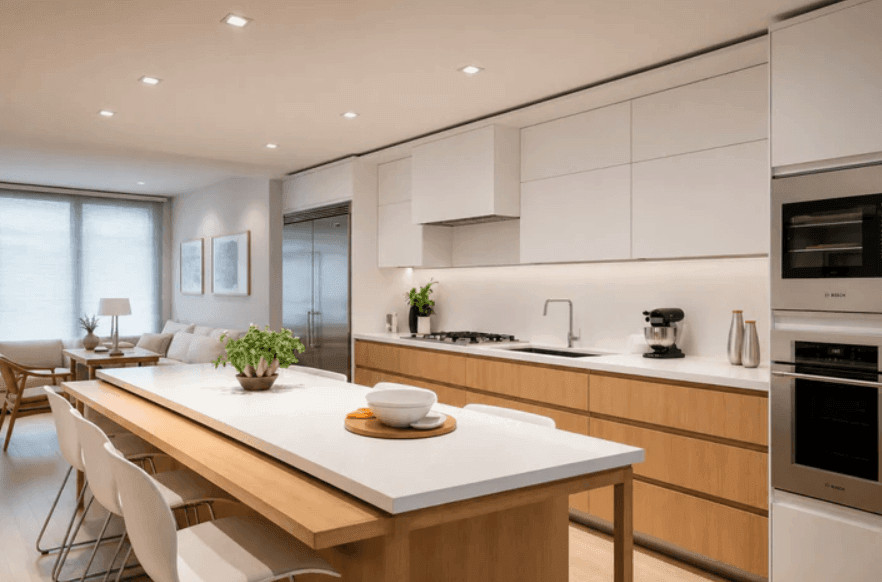
Understanding Traditional Can Lights
Traditional recessed lighting, often called “can lights,” uses metal housing installed above the ceiling. This housing contains the wiring, trim, and bulb assembly. The fixture sits inside the ceiling cavity, creating the recessed appearance homeowners are familiar with.
For decades, can lights were the standard option for recessed illumination because the ceiling canister housing provided the insulation and wiring necessary for these lights to function. Can lights are popular to this day, especially in older properties and large-scale construction projects.
Traditional can lights typically require:
- Ceiling space for the housing
- Separate trims and bulbs
- More complex installation
- Additional support framing in some cases
Although canned lights remain reliable, they are no longer the only recessed lighting solution available.
What is Canless Recessed Lighting?
Canless LED recessed lighting, often also called wafer lights or slim recessed lights, eliminates the bulky housing used in traditional recessed systems. Instead, the LED light source is integrated directly into a slim fixture with a tethered junction box. Homeowners who want to avoid the bulky housing required by traditional recessed fixtures often choose canless LED recessed lighting because it can fit into tighter ceiling spaces.
This design dramatically reduces the amount of ceiling space needed during installation. Many canless fixtures are ultra-thin, allowing them to fit into tight ceiling cavities where traditional housings would not work.
Modern canless recessed lights often include features such as:
- Ultra-slim profiles
- Airtight and IC-rated designs
- Wet location ratings
Many modern systems now prioritize flexibility and minimalist aesthetics, which explains why canless recessed lighting has rapidly become popular in contemporary home design.
For example, a home with a shallow ceiling below an attic space would be perfect for a sleek wafer downlight. A canless LED setup would preserve the streamlined ceiling appearance, with no surface-mounted fixtures breaking the flow, while still providing plenty of even illumination.
Installation Differences Matter More Than Most Homeowners Realize
One of the biggest deciding factors in the canless recessed lighting vs can lights debate is installation complexity.
Traditional can lights often require significant ceiling depth to accommodate the housing. In older homes or spaces with HVAC ducts, plumbing, or joists, finding room for these housings can become difficult and expensive.
Canless recessed lighting simplifies this process considerably. Because the fixture itself is extremely thin, installers only need minimal clearance above the ceiling. This makes canless options especially attractive for:
- Basement remodels
- Condominiums
- Low-ceiling spaces
- Retrofit projects
- Vaulted ceilings
- Older homes with limited attic clearance
Many modern remodelers now prefer slim wafer lights because they reduce labor time and limit drywall modifications during installation.
Energy Efficiency and LED Technology
Modern homeowners increasingly prioritize energy efficiency, and this is another area where canless recessed lighting often has an advantage.
Most canless systems come with integrated LED technology designed for long operating lifespans and lower energy consumption. Many models are rated for tens of thousands of hours while consuming significantly less electricity than older recessed systems.
Traditional can lights can still use LED bulbs, but older systems frequently lose efficiency due to housing design, airflow leakage, and heat buildup.
Modern canless fixtures are often designed with airtight construction to help reduce conditioned air loss through ceilings. This can contribute to better HVAC efficiency over time, especially in homes with numerous recessed fixtures.
Many modern recessed systems now offer selectable color temperatures, allowing homeowners to switch between warm and cool lighting tones depending on the room’s purpose. This flexibility is especially useful in open-concept homes where lighting needs may vary throughout the day.
Design Flexibility for Modern Interiors
Minimalism continues to influence interior design trends, and recessed lighting plays a major role in achieving clean architectural lines.
Canless recessed lighting tends to offer a more contemporary appearance because the fixtures sit flatter against the ceiling. Their slim profile helps reduce visual clutter while creating evenly distributed illumination.
Many homeowners also appreciate the availability of specialty trim styles, including:
- Black recessed trims
- Square recessed fixtures
- Adjustable gimbal lights
- Anti-glare designs
- Trimless recessed lighting
These modern styles work particularly well in contemporary kitchens, luxury bathrooms, and modern living rooms.
Traditional can lights still offer flexibility, especially in larger homes, but many homeowners now prefer the cleaner visual appearance associated with slim LED wafer lighting.
For spaces with angled or vaulted ceilings, adjustable recessed fixtures can improve lighting symmetry while maintaining a modern aesthetic. Fixtures like these are increasingly used in residential projects.
Maintenance and Longevity
Traditional can lights often require occasional bulb replacements and trim maintenance over time. Depending on the bulb type, homeowners may need to replace lamps every few years.
Canless recessed lights typically use integrated LEDs with extended operating lifespans. Many modern fixtures are rated for 50,000 hours or more under standard usage conditions.
While integrated LEDs eventually require fixture replacement instead of a simple bulb swap, most homeowners appreciate the reduced maintenance frequency.
This makes canless recessed lighting particularly appealing in:
- High ceilings
- Stairwells
- Large open-concept rooms
- Commercial-style residential spaces
Which Option is Better for Modern Homes?
There is no universal answer because every home has different construction limitations and lighting goals. However, modern trends clearly favor canless recessed lighting for residential remodeling and contemporary interior design.
Traditional can lights still make sense for some applications, especially where existing housings are already installed or where homeowners prefer interchangeable bulb systems. However, canless recessed lighting offers several advantages that align with modern housing priorities:
- Easier installation
- Reduced ceiling clearance requirements
- Better energy efficiency
- Sleeker aesthetics
- Longer-lasting LED performance
- Improved flexibility for remodels
As open-concept living spaces continue to dominate residential architecture, homeowners increasingly seek lighting systems that blend seamlessly into the ceiling while providing consistent illumination across larger areas.
For many modern homes, canless recessed lighting delivers the balance of performance, simplicity, and contemporary design homeowners want today.