Home transition is a major life event that many households go through each year, with 11.8% of Americans changing residences in 2024 alone. A large share of those moves happen nearby, and people often underestimate how much coordination a local move still requires.
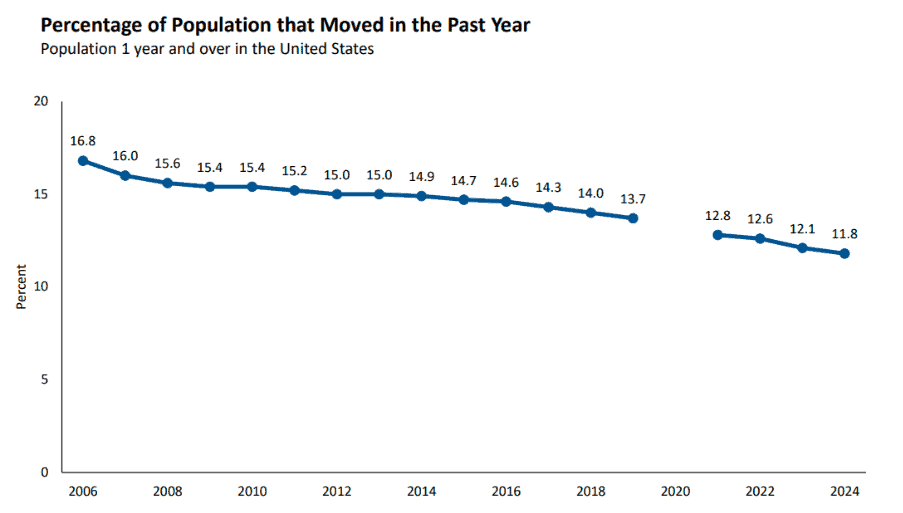
[Source: US Census Bureau]
A local home transition tends to look simple from the outside, but when you’re in it, it’s a chain of small decisions that can make moving day feel completely chaotic, which is why it often pays to hire local moving services.
Pros know that a stress-free move is built around a clear plan and a setup that lets you settle into your new place quickly. Let’s see what that means.
Start with a plan
Do you want the fastest home transition possible or the cleanest handoff between your old home and new one? This decision shapes everything else, from your timeline to your packing order.
Set your move around your packing start date and your final move date, and give yourself specific tasks for each week.
Moving is often tied to practical housing decisions, with 41.6% of movers citing housing-related reasons in 2022. So, people move because they need more space, a better layout, a different neighborhood, or a home that fits their current life better. A plan keeps that bigger goal in focus when the process starts to feel messy.
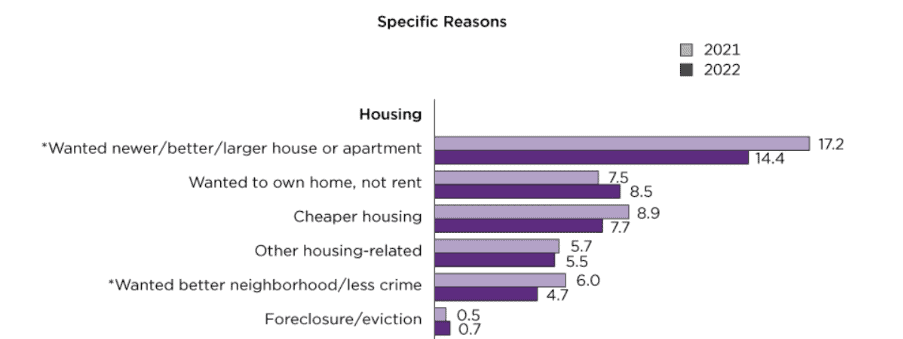
[Source: US Census Bureau]
Declutter before you pack
One of the most common home transition mistakes is boxing up items you no longer use just because it feels easier in the moment, but that only shifts the decision to your new home, where you will have less patience and less space.
Go room by room and be ruthless with duplicates, broken items, expired products, old paperwork, and anything that has been sitting untouched for a year or more. Fewer boxes mean less unpacking and a cleaner start.
Build a room-by-room packing system
Packing gets easier when it becomes a sequence. Pack least-used rooms first, then seasonal items, then decorative pieces, and finally your daily essentials. Label every box with both the room and the contents.
The kitchen should not be your first packing target unless you truly never use it. Leave out one pan, one pot, a few plates, basic utensils, dish soap, paper towels, and a coffee setup until the final day or two.
Color-coding can also help. Use one color for each room, then add matching labels to doors at the new place. Movers or helpers will know exactly where each box belongs, and you will not waste energy redirecting traffic all day.
Protect documents, valuables, and daily essentials
Not everything should go on the truck. Keep passports, leases, financial records, medications, chargers, keys, laptops, jewelry, and sentimental items with you. Pack them in one clearly marked personal bag or lockbox.
The same goes for the first 24 to 48 hours in your new place. Build an “open first” kit with toiletries, changes of clothes, cleaning supplies, pet items, toilet paper, snacks, a flashlight, and basic tools such as a box cutter, screwdriver, measuring tape, and phone charger. You will use that kit before you open half your boxes.
Documentation is another step people skip until they need it. Before the move, take quick photos or videos of valuable items and electronics. It takes very little time and can make insurance questions much easier to handle later.
Vet your moving help early
A reliable crew of professional movers can prevent damage and keep the day on schedule, but do make sure to verify their credentials and complaint history, especially for interstate work.
In a 2024 report to Congress, FMCSA said that in 2023 it closed 544 complaints, found 166 violations, and issued 17 Letters of Probable Violation in household goods broker investigations. Numbers like that are a reminder to check details before you book, not after something goes wrong.

Prep the old home before move-out day
An organized home move is as much about packing as it is about leaving your old place in a condition that makes the final handoff smooth. Schedule cleaning, patch minor wall damage, empty trash, defrost the fridge, and set aside anything that must stay with the property.
If you are selling your home, presentation matters too, with 49% of sellers’ agents saying that staging reduces time on market. Even if you are not doing full staging, you still want clean surfaces and well-defined rooms to help the next person see the space properly.
Final checklist for moving week
Use this checklist to keep the last stretch under control:
- Confirm moving date, arrival window, and payment details
- Finish packing nonessentials
- Set aside your personal documents and valuables
- Pack your first-night essentials bag
- Label every box by room and contents
- Take photos of fragile or high-value items
- Empty, clean, and unplug major appliances
- Reserve elevators or loading zones if needed
- Confirm utility shutoff and start dates
- Do a final walkthrough before locking up
A well-organized home transition happens because you made fewer decisions under pressure. Start early, cut what you do not need, label everything clearly, and protect the items and documents that matter most. The smoother the system, the easier it is to turn a stressful move into a clean start.