Owning a home means there is always something to fix, improve, or upgrade. As a dad who enjoys tackling projects around the house, I have learned that the right upgrades do more than make a place look better. They make daily life easier and help avoid bigger problems down the road.
Some projects are simple weekend fixes. Others take more planning and a bit of help from the pros. The key is knowing where your time and money will make the biggest impact.
In a place like Boulder, Colorado, homes deal with strong sun, cold winters, and sudden weather changes. These conditions can wear things out faster than expected. That is why smart upgrades matter. They help your home stay comfortable, run efficiently, and hold its value over time.
If you are looking for practical ways to improve your home, these upgrades are a solid place to start.
Energy-Efficient Window and Door Replacements
Windows and doors directly affect indoor comfort and utility bills. Older models often allow air leakage that forces heating and cooling systems to work harder than necessary. Even small drafts can create noticeable temperature inconsistencies from room to room.
Modern window technology offers significant advantages. Double- or triple-pane glass with low-emissivity coatings reduces heat transfer while still allowing natural light to brighten interior spaces. Insulated frames further improve thermal performance. Well-sealed, high-quality doors provide another layer of protection against unwanted air exchange.
Roofing System Improvements
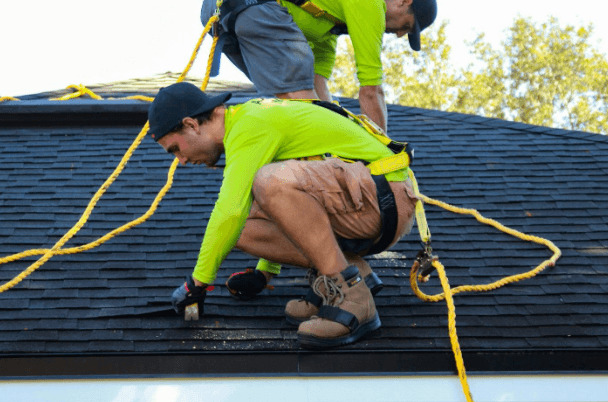
A roof serves as the home’s first line of defense against the elements. Snow buildup, heavy rain, wind gusts, and intense sunlight gradually wear down roofing materials. Minor damage can remain hidden until leaks begin to affect insulation, drywall, or framing.
Routine inspections reveal loose shingles, compromised flashing, or aging underlayment before they escalate into structural issues. Professional guidance becomes especially important when evaluating repair versus replacement decisions. Partnering with reliable Boulder roofers allows you to strengthen structural integrity, enhance weather resistance, and extend your roof’s lifespan through expert installation and maintenance. This proactive approach not only protects your investment but also ensures long-term safety and comfort for your household.
High-Performance Insulation Upgrades
Insulation plays a critical role in regulating indoor temperatures. Many homes, particularly older properties, lack sufficient insulation in attics, crawl spaces, or exterior walls. Gaps and thin coverage allow conditioned air to escape and outside air to enter.
Enhanced insulation reduces strain on heating and cooling systems. Spray foam creates an air-tight seal in difficult-to-reach areas, while blown-in cellulose works well for attic retrofits. Rigid foam boards provide strong thermal resistance along walls and foundations. Consistent indoor temperatures improve daily comfort while reducing monthly energy expenses. Proper insulation also limits ice dam formation during winter and helps maintain cooler interiors during hot summer days.
HVAC System Modernization
Heating and cooling systems account for a significant portion of household energy use. Aging equipment may still function, yet inefficiency increases operating costs and reduces comfort. Uneven airflow, frequent cycling, and rising utility bills often signal the need for modernization.
High-efficiency furnaces and heat pumps provide more consistent temperature control while consuming less energy. Advanced systems adapt output levels based on real-time demand rather than operating at full capacity continuously. Smart thermostats further enhance control by learning usage patterns and adjusting settings automatically.
Kitchen Functionality Enhancements
Kitchens influence daily routines more than almost any other space in a home. Upgrades here should prioritize function and durability rather than short-lived design trends. Energy-efficient appliances lower electricity and water usage while offering improved performance. Thoughtful cabinet configurations increase storage capacity and reduce clutter. Durable countertop materials withstand heavy use without compromising appearance.
Lighting also deserves attention. Layered lighting with task-focused fixtures improves visibility for cooking and food preparation. Minor layout adjustments can enhance workflow and create a more open feel without requiring a full renovation. Strategic kitchen improvements elevate daily living while strengthening resale appeal. Buyers consistently view an updated, efficient kitchen as a sign of overall property quality.
Bathroom Efficiency and Comfort Improvements
Bathrooms experience constant moisture exposure, which makes durability and ventilation essential. Outdated fixtures and poor airflow can lead to mold growth, peeling finishes, and hidden water damage over time. Thoughtful upgrades reduce these risks while improving daily comfort.
Water-efficient toilets, faucets, and showerheads lower overall consumption without sacrificing pressure or reliability. Advanced fixture designs maintain strong performance while supporting responsible resource use. Improved ventilation systems remove excess humidity quickly, protecting walls, ceilings, and cabinetry from long-term deterioration.
Smart Home Technology Integration
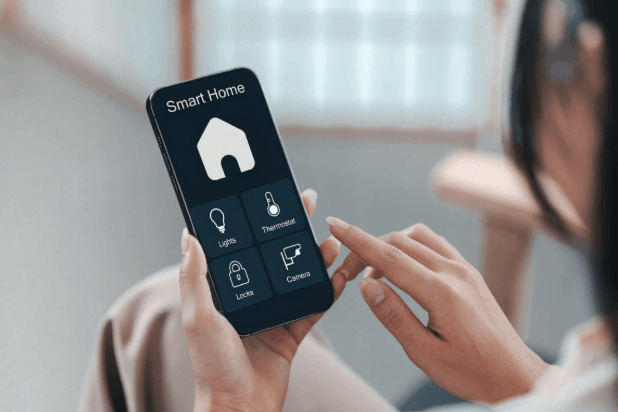
Technology now plays a practical role in home management. Smart systems extend beyond convenience and offer meaningful improvements in security, monitoring, and energy control. Modern security systems include motion detection, remote camera access, and real-time alerts. Leak detectors placed near water heaters, sinks, and washing machines provide early warnings that help prevent major damage. Automated lighting and climate controls allow homeowners to manage usage even while away.
Energy monitoring tools track consumption patterns and highlight areas where efficiency can improve. This level of insight supports informed decisions about future upgrades. Integration between devices creates a streamlined system that responds to daily routines without constant manual adjustment.
Exterior Siding and Drainage Improvements
Exterior materials shield the home from weather exposure and structural stress. Cracked siding, failing caulk lines, and poor drainage can gradually compromise framing and foundation stability. Proactive improvements reduce the likelihood of costly repairs later.
Durable siding options resist moisture intrusion and limit maintenance requirements. Fiber cement and engineered wood products offer strong protection while maintaining visual appeal. Quality installation ensures seams remain sealed and secure against wind-driven rain. Effective drainage systems protect the foundation. Properly pitched grading directs water away from the structure, while well-maintained gutters and downspouts prevent pooling near the base of the home. Consistent water management reduces the risk of basement leaks and soil erosion.
Conclusion
Home improvement is not just about making things look good. It is about building a home that works better for your family every day. The right upgrades protect your investment, improve comfort and efficiency, and help you avoid costly repairs later.
From upgrading insulation to improving your roof and adding smart technology, each project plays a role in how your home performs. Some of these can be tackled over a weekend, while others may need expert help. Either way, the goal is the same. Make your home stronger, more efficient, and easier to live in.
Over time, these improvements add up. You will notice the difference in your energy bills, your comfort, and even your home’s resale value. More importantly, you will have the satisfaction of knowing you put in the work to make your home better for the people who live in it.