The gas vs electric water heater question comes up almost every time an old tank finally gives out. Both get the job done. The difference shows up in the bill, what it costs upfront, and what it costs every month after that.
Anyone weighing a new unit is better off getting professional water heater installation advice before deciding — a good installer will walk through both options honestly, instead of just pushing whatever is easiest to install that week.
What Is the Difference Between Gas and Electric Water Heaters?
Gas units heat water using a burner underneath the tank, connected to your home’s gas line. Electric units use heating elements submerged inside the tank itself, pulling power straight from your electrical panel.
That single difference in how the heat gets generated is what drives almost every other difference between the two: install cost, running cost, recovery speed- all of it traces back to that.
 Pexels
Which Water Heater Costs Less to Install?
Electric, usually, and to a decent extent if the house already has the right electrical system installed. Installing an electric water heater typically costs between $800 and $1,500, including labor.
Gas water heater installation usually costs more, between $1,200 and $2,500. This is primarily due to the venting work required; gas heaters require adequate exhaust routing, which adds labor and material costs. Add the cost of a gas line to the location of the heater if the house does not already have one. It is not small.
Which Water Heater Costs Less to Operate?
Gas, almost always, once it is up and running. Natural gas tends to cost less per unit of energy than electricity in most of Illinois, so a gas unit heating the same amount of water usually costs less monthly to run.
Gas water heaters recover faster, so they can heat a full tank more quickly after heavy use. This can be helpful for larger households. Electric units are simpler and often use energy more efficiently, but electricity usually costs more, so the monthly bill can still be higher.
Factors That Influence the Total Cost of Ownership
A few things shift the math beyond the sticker price:
- Local utility rates for gas versus electricity in your specific area
- Household size and how much hot water actually gets used daily
- Whether the home already has gas lines and proper venting in place
- Tank size and recovery rate needed for the household
- Maintenance costs over time; gas units need more upkeep around the burner and venting
Add all of that up over ten years, and the gap between gas and electric often looks very different than it did on install day.
Pros and Cons of Gas Water Heaters
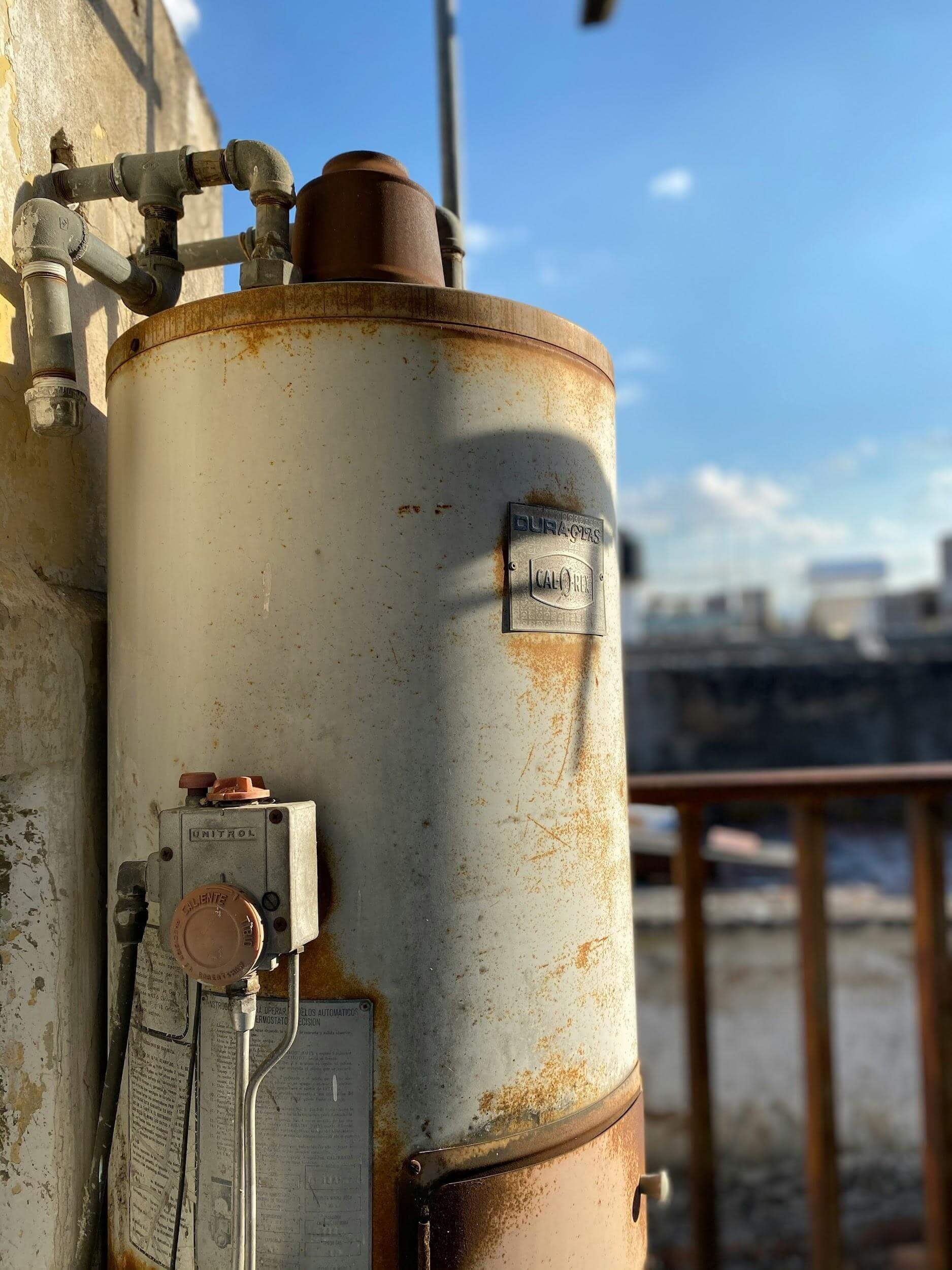
Gas water heater installation tends to pay off long-term through lower operating costs and faster recovery. The downside is a higher install cost, the need for proper venting, and slightly more maintenance since there is a burner and flue involved. Gas units also keep working during a power outage, which some homeowners consider worth the tradeoff on its own.
 Unsplash
Pros and Cons of Electric Water Heaters
Electric units cost less to install and are generally simpler machines with fewer parts to maintain. No venting, no gas line, less that can go wrong mechanically. The tradeoff is a higher monthly operating cost in most areas, slower recovery time, and total dependence on power; no electricity means no hot water at all, unlike gas.
Which Option Is Better for Different Types of Homes?
Gas is typically preferred by larger houses that use hot water quickly since it recovers more quickly and can handle consecutive showers and washing. Electricity is frequently a preferable option for smaller homes or condos without a gas connection, particularly when the expense of installing a new gas line would offset any long-term savings.
According to Consumer Reports, the right choice depends less on which type is objectively better and more on what infrastructure the home already has in place, which is really what the whole gas vs electric water heater decision comes down to.
Can Switching from One Type to Another Increase Installation Costs?
Yes, and this takes people by surprise. Running a new gas line and installing enough venting if none already exists are necessary when switching from electric to gas; this alone can add $1,000 or more to a simple swap.
When switching from gas to electric, the electrical panel must typically be upgraded to manage the increased load, which comes at an added expense. According to This Old House, homeowners switching fuel types should always get a full site assessment first, since the “hidden” infrastructure costs are often larger than the unit itself.
In Conclusion
There is no universal right answer in the gas vs electric water heater debate; it depends on what is already running to your home, how big the household is, and whether upfront savings or long-term savings matter more to you. Gas usually costs more to install and less to run. Electric flips that. Either way, getting a clear cost breakdown before you decide can save you from worrying about it later.
Astera handles both gas and electric water heater installation across Chicago and can walk through the real numbers for your specific home before anything gets decided.
Which one do you have, and would you switch if you had to replace it today? Share your take in the comments; it might help someone else weighing the same decision.
Header Photo: Getty Images For Unsplash