Cold weather can be tough on a home. Freezing temperatures, heavy snowfall, and moisture can affect everything from windows and insulation to lawns and outdoor surfaces. In places like Canada, where temperatures vary widely throughout the year, homeowners need to think carefully about maintenance and upgrades.
These 10 smart home improvements focus on practical ways to save energy, stay comfortable, and keep a property looking its best.
Stay Comfortable Through Every Season With Better Windows and Doors
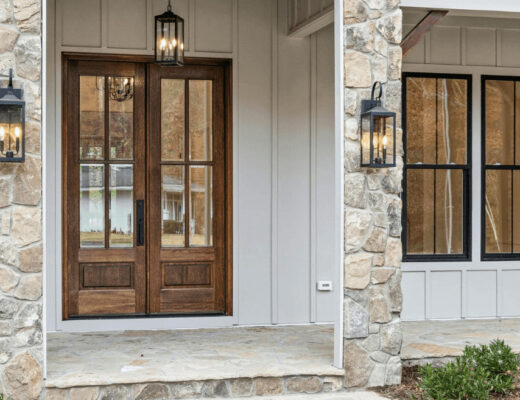
Canada’s changing climate makes energy efficiency an important consideration for homeowners. During winter, outdated windows and poorly sealed doors can allow heated air to escape, while summer temperatures can make indoor spaces uncomfortable. Modern, energy-efficient windows and doors reduce drafts, improve insulation, and help maintain steady indoor temperatures throughout the year.
When planning an upgrade, comparing window companies Winnipeg can help homeowners explore options suited to the demands of Canadian weather. Look for products with appropriate energy-efficiency ratings, durable materials, and installation specifications that meet your home’s needs. Well-chosen windows and doors can make rooms more comfortable while potentially lowering heating and cooling expenses.
Keep Your Lawn Looking Its Best With Consistent Care
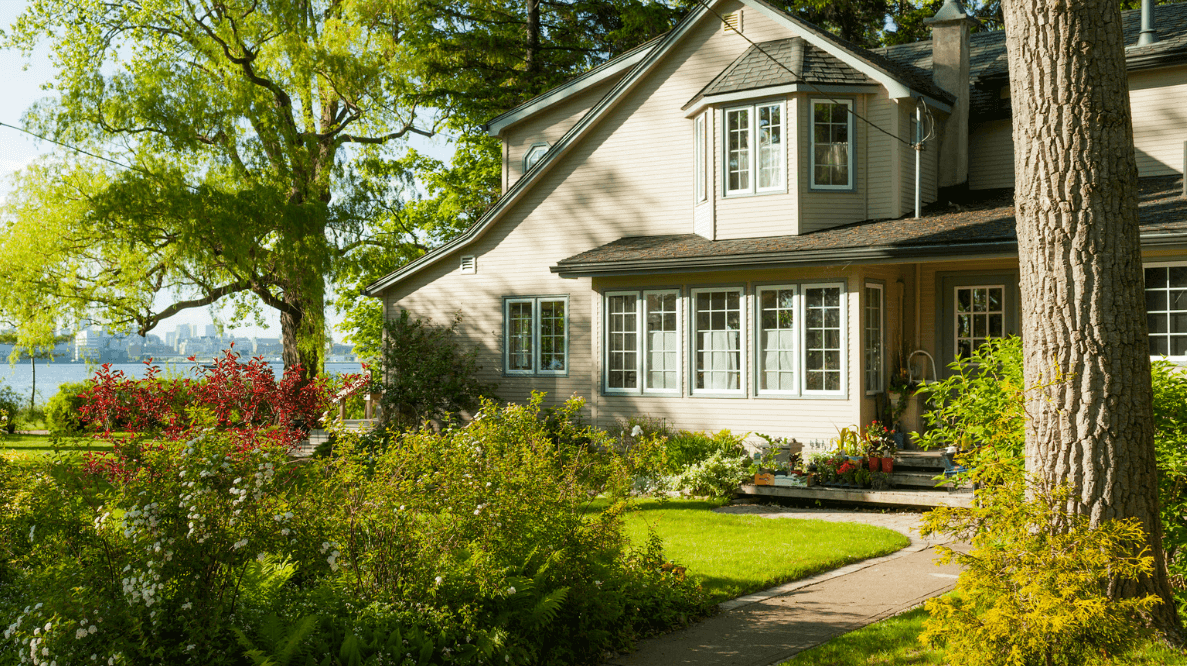
A healthy lawn makes a home more attractive and creates a welcoming outdoor space for family and visitors. Across Canada, lawn care needs change with the seasons. Spring cleanup, regular summer mowing, edging, and weed control keep grass looking neat, while fall preparation helps it recover after winter.
For homeowners who prefer professional assistance, Neighbourhood Heroes is a company to explore when looking for help with property maintenance. Regular lawn care makes outdoor upkeep easier and keeps the property looking tidy during the growing season. To learn more about the company’s services, visit the website.
Improve Insulation to Keep Energy Use in Check
Proper insulation helps homes in cold climates retain warmth during winter and stay cooler during summer. Attics, exterior walls, basements, and crawl spaces are important areas to assess, particularly in older properties.
If certain rooms feel noticeably colder than others, an insulation assessment may reveal gaps or areas that need attention. Adding insulation where it’s lacking can keep indoor temperatures more consistent and reduce the workload on heating and cooling systems.
Seal Drafts Before Temperatures Drop
Small gaps around windows, doors, vents, and utility openings allow heated air to escape during winter. In summer, these same openings can let warm outdoor air inside, making it harder to maintain a comfortable temperature.
Weatherstripping and caulking are simple ways to seal common gaps. Before the colder months arrive, inspect window frames, exterior doors, and other areas where air might enter. Sealing leaks and improving insulation together can reduce heat loss and make rooms feel more comfortable.
Refresh Your Home’s Exterior for Lasting Appeal
Snow, rain, temperature fluctuations, and strong sunlight gradually wear down exterior surfaces. Peeling paint, damaged siding, and deteriorating trim can affect both appearance and durability.
Inspect your home’s exterior regularly, particularly after winter. Repair damaged materials and choose paints or finishes designed for local weather conditions. Fixing small problems early keeps the exterior looking its best and may prevent more expensive repairs later.
Protect Your Property With Proper Drainage
Spring snowmelt and heavy rainfall can create drainage problems for homes in colder regions, including Canada. Clogged gutters, poorly positioned downspouts, and low areas around a foundation may allow water to collect near the house.
Clean gutters regularly and make sure downspouts direct water away from the foundation. After heavy rain or snowmelt, check for pooling water and address problem areas promptly. Good drainage lowers the risk of moisture damage to foundations, basements, and nearby surfaces.
Switch to Energy-Efficient Lighting
Lighting upgrades improve everyday convenience while reducing electricity consumption. LED bulbs generally use less energy and last longer than traditional incandescent options, making them a practical choice for homes in any climate.
Start with frequently used indoor lights and outdoor fixtures near entrances, garages, and walkways. Well-placed lighting improves visibility during darker winter evenings and makes outdoor areas safer and more inviting.
Make Outdoor Spaces Ready for Everyday Living
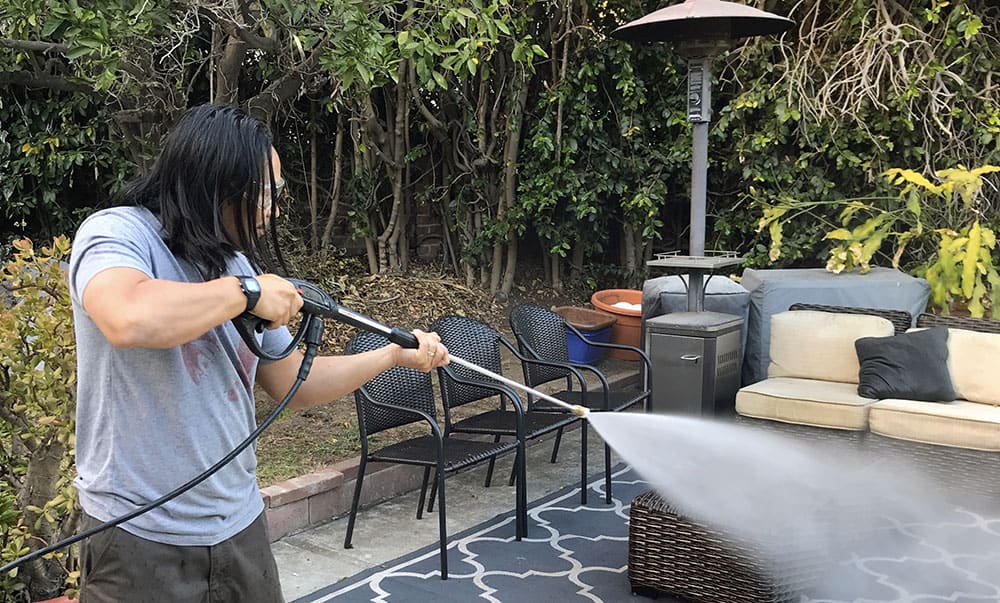
A clean, functional outdoor area makes a home more enjoyable and improves its appearance. Maintaining patios, walkways, garden beds, and driveways keeps these spaces welcoming while reducing clutter and potential hazards.
In areas that experience snow and ice, keeping pathways in good condition is especially important. During warmer months, low-maintenance plants, tidy garden beds, and comfortable seating make patios and gardens easier to enjoy without adding too much work.
Follow a Seasonal Home Maintenance Routine
In cold-climate regions like Canada, changing seasons make regular property inspections especially useful. Spring is a good time to check for winter damage, clear debris, and assess drainage. Summer works well for exterior repairs and landscaping, while fall is ideal for cleaning gutters, checking weatherstripping, and preparing outdoor areas for colder weather.
Create a seasonal checklist covering windows, doors, insulation, lawn care, and exterior surfaces. Checking these areas regularly makes it easier to spot small problems before they turn into costly repairs.
Prioritize Improvements That Deliver Long-Term Value
Home improvement projects do not need to happen all at once. Start by identifying issues that affect comfort, energy efficiency, safety, or the property’s condition. Drafty windows, drainage problems, and damaged exterior materials often deserve attention before cosmetic updates.
Compare products and service providers, consider future maintenance needs, and plan projects around your budget. This approach makes it easier to choose upgrades that fit your needs without spending more than necessary.
Make Your Home More Efficient, Comfortable, and Attractive
A home that handles cold weather well is often easier and less expensive to maintain. Better insulation, well-sealed windows, proper drainage, and regular outdoor care can prevent common problems while improving comfort and appearance. For homeowners in Canada and other cold-climate areas, it makes sense to address the most urgent issues first. Even a few well-planned upgrades can keep a home in better condition for years to come.