You’ve applied your first coat and the room is starting to come together. Now the key question is how long to wait between paint coats. Timing plays a major role in the final result, and getting it wrong can lead to streaks, peeling, or an uneven finish. Here is what you need to know to get it right.
Drying vs Curing: What You Need to Know
Before looking at timing, it helps to understand the difference between drying and curing. Many DIYers treat them as the same, but they are not.
Drying happens when the solvents in the paint evaporate, leaving the surface dry to the touch. This does not mean the paint is fully set.
Curing is the full hardening process where the paint bonds to the surface. A wall may feel dry within a couple of hours but still be far from cured. Applying a second coat too early, moving furniture back, or hanging items too soon can damage the finish and create problems that are difficult to fix.
How Long To Wait Between Paint Coats
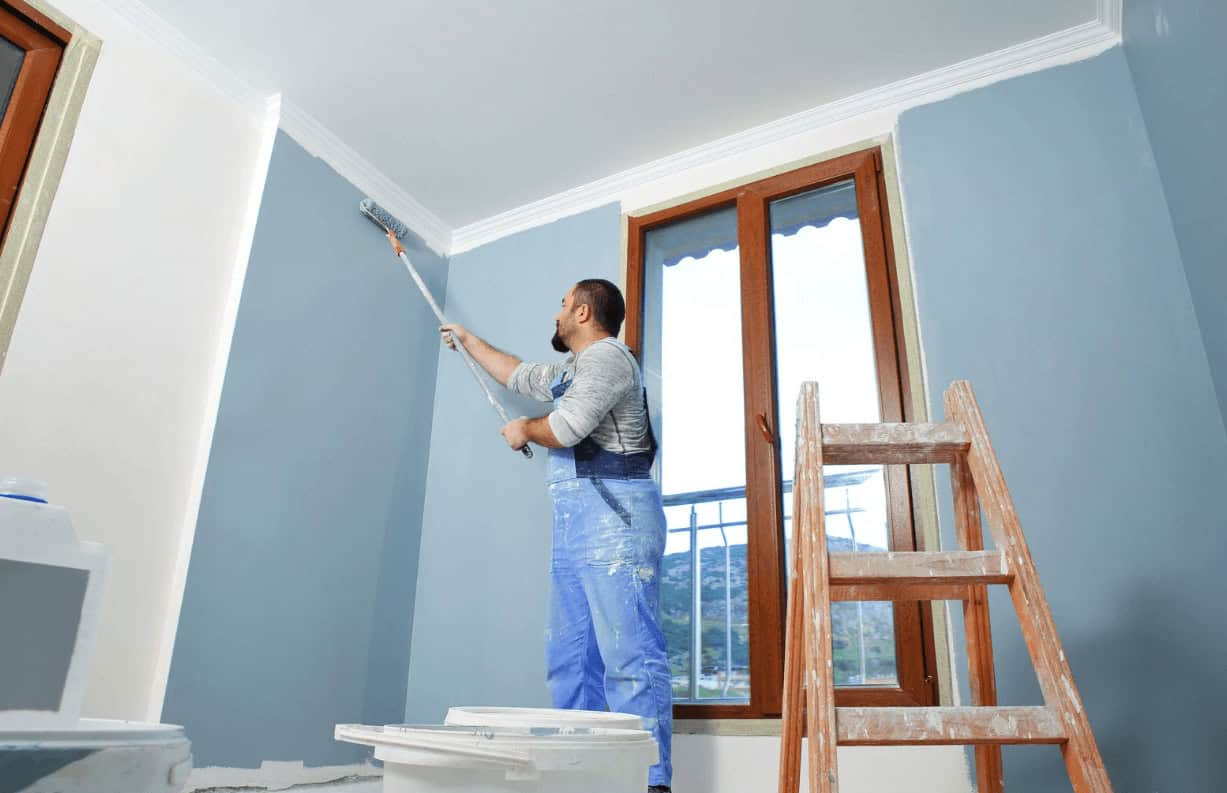
The correct wait time depends on the type of paint you are using.
Water-based emulsion paints are the most common choice for interior walls. These are usually touch-dry within one to two hours. Most can accept a second coat after two to four hours, though waiting four to six hours produces a more consistent finish. Full curing can take two to four weeks depending on conditions.
Oil-based or solvent-based paints take longer at every stage. These are typically touch-dry after six to eight hours and require a full 24 hours before applying a second coat. They do cure faster overall, often within about a week.
Primers usually dry faster than topcoats, often within one to three hours, but you should always check the product label for exact guidance.
What Happens If You Recoat Too Soon
Applying a second coat before the first has properly dried is one of the most common DIY painting mistakes. The results are easy to spot.
You may see streaking, patchy coverage, uneven color, peeling edges, or paint that lifts as it dries. In some cases, the second coat pulls the first coat away from the surface. While two hours may be the minimum for water-based paints, waiting closer to four hours gives a much better result.
Factors That Affect Drying Time
Drying times depend heavily on the conditions in the room.
Humidity is one of the biggest factors. High moisture levels slow evaporation, which delays drying. Bathrooms and kitchens are especially affected. In these spaces, allow extra time and consider using a dehumidifier.
Temperature also matters. The ideal range is between 18 and 25 degrees Celsius. Cold conditions slow drying, while excessive heat can cause uneven results or cracking.
Ventilation helps speed up the process. Good airflow removes moisture from the surface. Open windows or use fans to keep air moving.
Coat thickness is another key factor. Thick coats take longer to dry and often lead to poor results. Two thin coats provide better coverage and a more even finish.
How to Speed Up Drying Time
If you need to move the project along, a few steps can help.
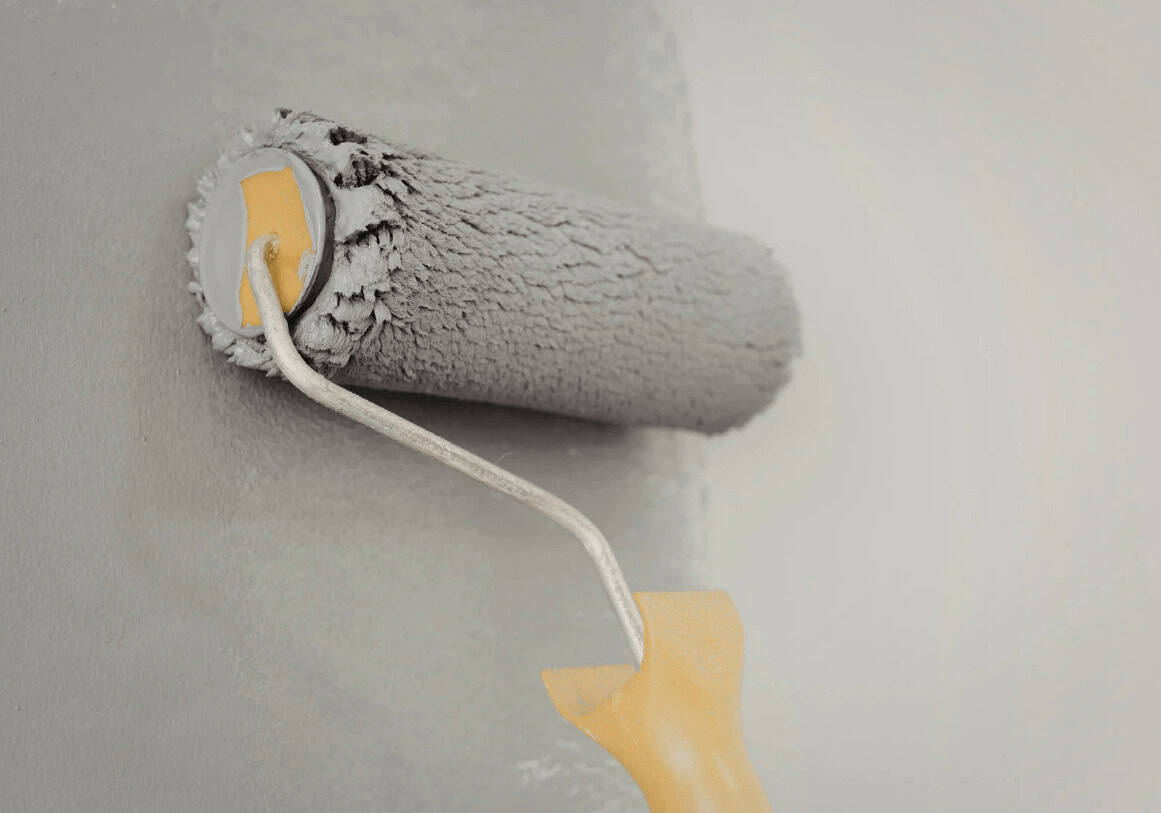
Keep the room warm, reduce humidity, and maintain steady airflow. Applying thinner coats also improves drying time and finish quality.
You can also choose paints designed for faster drying. Always check the label before buying if timing is important. What does not help is rushing the process. Applying a second coat too early will create more work later.
Planning the Job with DC Decorators & Painters
Taking time to plan your painting schedule makes a big difference in the final result. Mapping out drying windows between coats helps you avoid common mistakes and keeps the job on track.
If you are unsure about timing or want a consistent finish, DC Decorators & Painters approach every project with careful attention to preparation and drying times. This level of planning plays a major role in how the finished surface looks and lasts. They would be happy to help.
Final Thoughts
A durable, professional-looking paint job comes down to proper timing. Allow enough time between coats, understand the difference between drying and curing, and adjust for room conditions.
When you follow these steps, you avoid the most common causes of paint failure and end up with a finish that looks clean and holds up over time.