Translocation of a family is a complex process that should be coordinated to maintain the order of the process. Compared to local relocation, long distance relocation is a process that requires a number of steps that have to fit together in terms of packing and scheduling, transportation and arrival planning.
Families can also be complicated by the fact that all the routines, school schedules and personal needs must be taken into consideration simultaneously. Applying a system with a flexible loading system and transportation may decrease the pressure on the moving day and contribute to a more effective management of timing and organization.
A solution most families opt to take is container based moving services like PODS whereby the belongings are packed in the home and then transported to the new location. It will be easier to coordinate than using a traditional moving company solely, particularly when dealing with strict timeframes or several family commitments.
Planning The Moving Day Timeline
The most significant step in a long distance family relocation is planning the moving day. A clear schedule can be used to make sure that the packing, loading and departure occur in a well-organized order.
The families should start by determining the specific time of loading the container or truck and then time reversing to allocate time on packing each section of the house. This will prevent last minute panics and no vital things are left out in the process.
An organized schedule is also useful to organize various individuals participating in the relocation. In case of the involvement of children or other assistants in the process, a general period of time assigned to tasks will keep everyone on track.
It also offers a leeway in case something is taking more time than anticipated. Specific timing will help in the avoidance of confusion and the day of moving will be maintained without unnecessary delays.
Setting Priorities For Departure Day
It is advisable that on the departure day, families should prioritize on accomplished tasks before a smooth transition is achieved. Things that are required as soon as possible after landing should be packed early, but less important things may be last packed.
This helps eliminate the stress of unpacking at the destination and makes sure that the necessary things needed are available during transit.
Another aspect to consider is that there should be communication between all family members throughout the day. Giving straightforward tasks may be useful to keep everyone engaged and not to confuse them.
In other cases, families will arrange with a moving organization to help with the heavy lifting or transport assistance where necessary, particularly in larger families or longer distances.
Coordinating Storage and Transport with Pods
A container system like PODS can ease the process of the coordination between transportation and packing. The container is transported to the home where the families can take their time loading them before the container is collected and transported to the new place. This eases the burden of having to do it in a day and gives the family that has to do several things more flexibility.
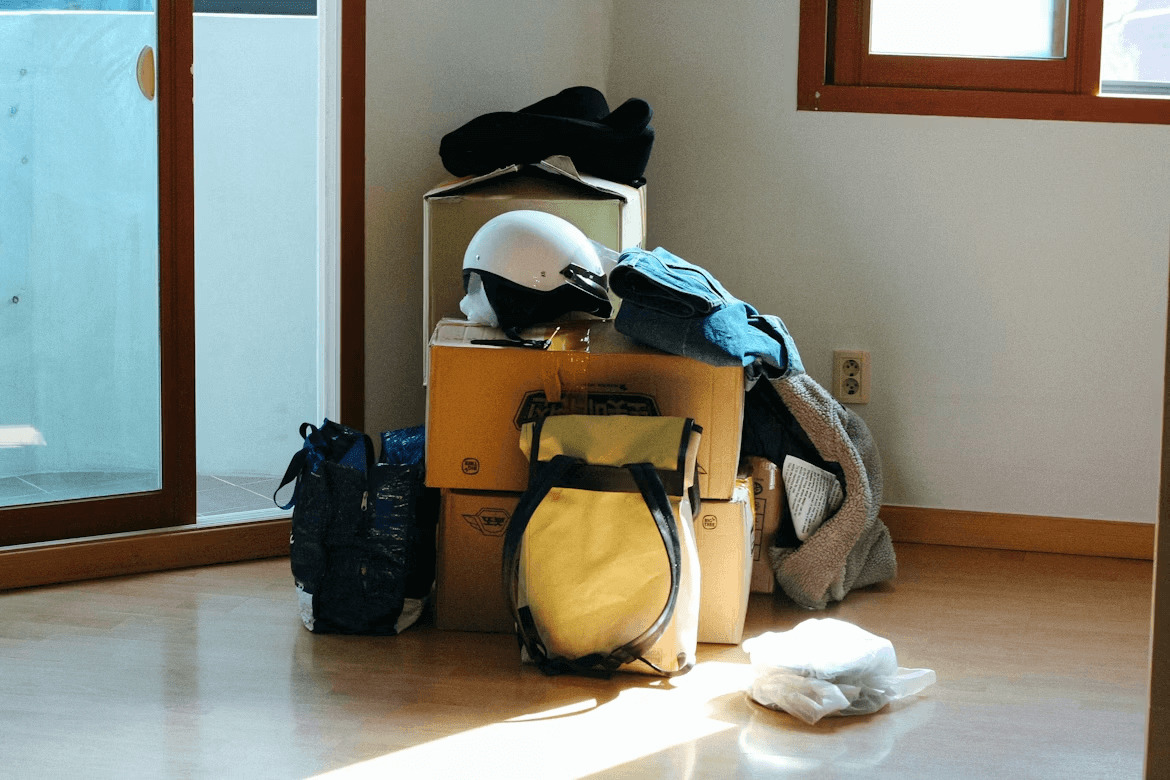
This process involves transport scheduling. To prevent delays and to make sure that the container can fit in the travel plans, families must verify pickup and delivery windows beforehand.
Clear coordination will assist in avoiding any gaps between loading and unloading and this may be particularly critical in long distance moves that may involve time.
Scheduling Pickup And Drop Off Windows
Timing of pickup and drop off ought to be taken into consideration to ensure that there is no unnecessary waiting. It is best that families have the container picked shortly upon completion of loading lest they have to delay their travelling arrangements. Upon arrival, it is worth ensuring that there is sufficient time to accept and offload the container without haste in the process.
External assistance like movers Winnipeg services can also be of use in certain situations like when time is constraint in the cross-province or region. Scheduling adequately will minimize uncertainty and make sure that the belongings are received when the family is prepared to take them in. This coordination is even relevant when there are other stops or long distances of the travel.
Preparing The Home For Container Loading
The preparation of the home should be made efficient and safe before loading. Pathways ought to be cleared, and objects ought to be sorted into groups to simplify the process of placing them into the container. The bigger furniture pieces can be taken apart provided that the space can be used more efficiently and the chance of damage during transportation is eliminated.
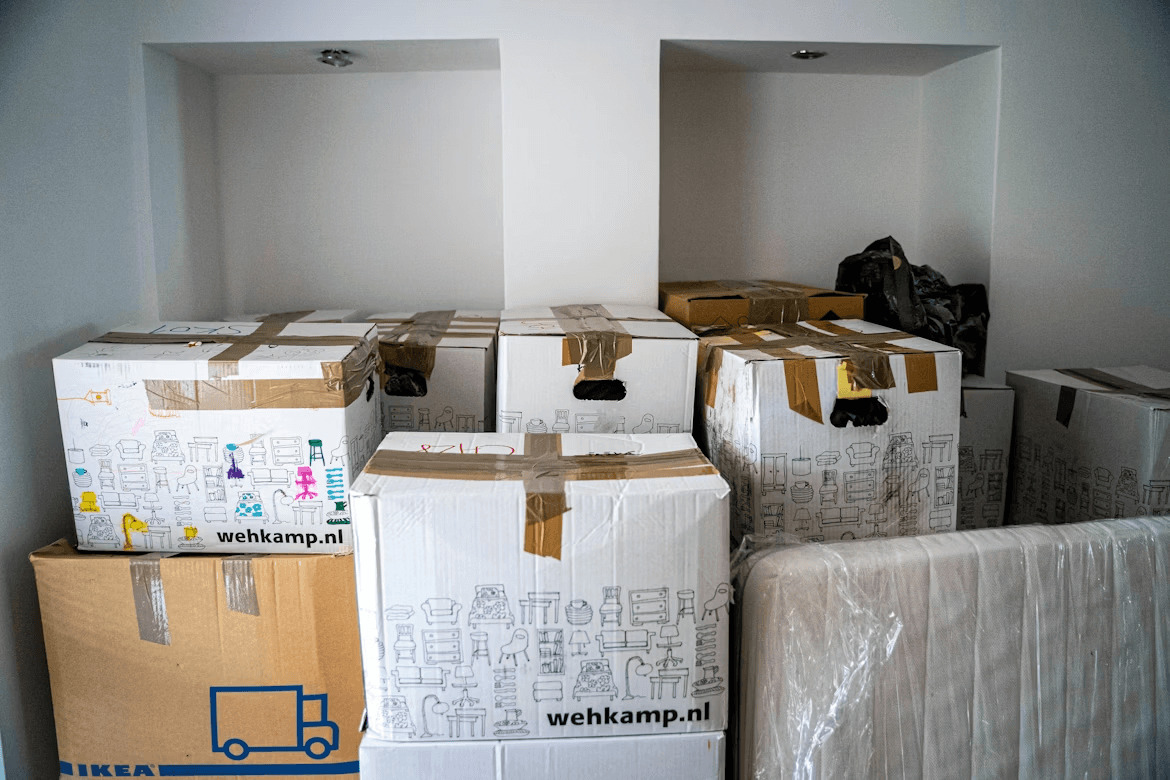
Early recognition of delicate objects is also beneficial to keep them away to pack with care. Labeling boxes will make unloading easier and enable the family to find the most important things as soon as possible at the destination. Adequate preparation curbs confusion and aids in ensuring there is a smooth flow of loading day with minimal needless delays.
Organizing Essentials For Family Access
Families ought to pack another set of important things that will be left untouched during the move. These can be clothing, simple kitchen equipment, documents and personal care products. Having them in different containers will make sure that they are not packed inside the container and will be available easily when in transit or as soon as they arrive.
This action is particularly necessary in families with children as this promotes stability throughout the transition. The familiar things should be easily accessible to alleviate stress and make the relocation process more comfortable. Good organization also helps save the hassle of searching through the crammed boxes when one needs to reach something in a hurry.
Managing Travel And Comfort For Family Members
Moving day logistics is an important aspect of travel planning by families. Roads, sleeping points, and lodging must be predetermined to minimize the element of uncertainty when it comes to the trip. It is good to keep the travel schedule realistic, so as to avoid exhaustion and to ensure that every member of the family is comfortable during the trip.
Snacks, entertainment, and personal needs should be prepared separately and kept within reach. This assists in keeping a normal routine on the trip and also minimizes stress particularly to the younger members of the family. With proper planning, travelling is manageable even to faraway places.
Handling Unexpected Delays During Transit
The long distance moves may be faced with delays that are caused by weather, traffic, or by scheduling. By planning ahead of such eventualities, it is possible to minimize stress in the event of such occurrences. Families are advised to add some additional time in their schedules and to be adaptable in arrival schedules to be able to allow unexpected changes.
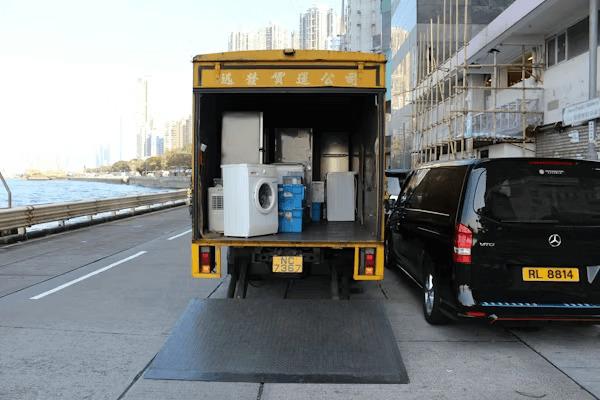
A backup plan may also be used to ensure stability in case of delays. This can be provision of temporary housing or a modified delivery schedule of goods. In other instances, liaising with a moving company may assist in solving logistical issues faster and make transition as simple as possible.
Receiving The Container At The New Home
Upon delivery of the container to the new home, it should be placed in an easy to access place where unloading is easily done. It is important that families should have sufficient space to have doors that open fully and to have the items that move into the home safely. Easy access facilitates a faster unloading process and makes it easier physically.
After opening the container, it is necessary to prioritize first the things that are needed. This will enable the family to start settling in as soon as possible and gradually unpack the remaining. An organized system of unloading will facilitate some order in the new space and facilitate the process of the smooth transition into the new environment.
Setting Up The Home After Arrival
Once the unloading is done, families can start to arrange their new home step by step. Beginning with the basic living spaces like bedrooms and kitchens aids in creating functionality in the shortest time possible. This will enable the family to resume their normal lives without wasting time.
A similar system of organization that was adopted during packing will come in handy as unpacking goes on. It is also easier to locate things and organize areas when you keep things according to category. This systematic approach, over time, aids in the conversion of the new house into a comfortable and orderly home.