Heating and cooling systems sit in a strange place on the DIY spectrum. Some parts (filter changes, outdoor unit clearing, thermostat upgrades) genuinely belong in the homeowner’s hands. Other parts (refrigerant work, full system swaps, ductwork redesign) cross legal and technical lines that most DIY enthusiasts underestimate until something goes wrong.
The homeowners who handle HVAC well are usually the ones who know exactly where the line sits between “I can do this Saturday” and “this needs a licensed pro.” The ones who don’t end up paying for a botched install plus the professional repair on top.
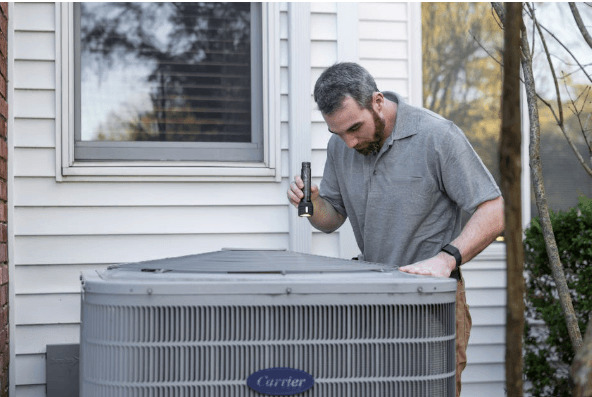
Photo by Kathleen Austin Kuhn on Pexels
That same lack of scope clarity shows up in the air-compressor world, where buyers often face a confusing set of decisions. Companies like Penry Air, the e-commerce arm of Omaha Pneumatic Equipment Company, focus on helping customers understand the basics and make smarter, energy-efficient choices.
In HVAC, that same issue is even more critical. The stakes are higher, the costs are larger, and mistakes are harder to fix. That’s where this guide begins: understanding why getting the scope right matters more here than in almost any other home-improvement category.
Why Are HVAC Installation Mistakes So Costly Compared to Other DIY Errors?
The error consequences cascade in ways most projects do not.
Sealed-system implications. Refrigerant lines are sealed factory-charged systems. A leak from improper installation contaminates the system, voids the warranty, and often requires replacement of components rather than repair.
Energy efficiency over decades. A poorly installed system runs less efficiently for its entire life. A 5-15 percent efficiency loss compounded across a 15-year system lifespan can total thousands in extra utility costs.
Indoor air quality. Bad ductwork pulls air from unconditioned attics or crawlspaces, introduces contaminants, and circulates them throughout the home. Health implications add to the financial cost.
Safety risks. Gas furnaces with improper combustion air supply, blocked flues, or incorrectly sized vents can produce carbon monoxide. The risk is not theoretical.
Legal liability. Refrigerant handling without EPA Section 608 certification (US) or equivalent (Canada, UK) is a federal violation. Selling a home with unpermitted HVAC work creates disclosure liability.
Insurance claims. Insurance carriers regularly deny claims related to fires, water damage, or system failures traced back to unlicensed installation work.
Resale impact. Home inspectors flag amateur HVAC work consistently. The cost shows up at sale time as either price reductions or buyer-requested repairs.
The cost-of-error pattern looks different in categories that genuinely reward homeowner effort. Home security is the clearest example, where the upgrades worth doing yourself cover most of what matters. HVAC works the opposite way, which is why the consequences above carry the weight they do.
What Are the Most Common HVAC Installation Mistakes?
The patterns that recur across professional service-call records.
Oversizing the system. Bigger isn’t better in HVAC. Oversized AC units short-cycle (turn on and off rapidly), fail to dehumidify, and wear components faster. Manual J load calculations should drive sizing, not square-footage rules of thumb.
Skipping the load calculation entirely. “Replace what was there” only works if the previous installer did it right. Many homes have inherited oversized or undersized systems that compound the problem with each replacement.
Ductwork shortcuts. Flexible duct kinked, undersized, or running through unconditioned space. Each shortcut reduces airflow and efficiency.
Refrigerant DIY attempts. Buying refrigerant online and topping up systems is illegal in most jurisdictions and almost always papers over a real leak. The leak repair gets harder the longer it runs.
Thermostat-only replacement during HVAC issues. New smart thermostats can’t fix ductwork problems, refrigerant leaks, or capacitor failures. Diagnosing the actual issue first saves the cost of multiple wrong fixes.
Ignoring permits. HVAC installation requires permits in most US and Canadian jurisdictions. Permit-skipped work shows up at sale time and can void warranties.
Mismatched equipment. Outdoor condenser from one brand, indoor air handler from another. SEER ratings only apply to matched systems; mismatched setups produce neither the efficiency nor the warranty coverage.
DIY drainage and condensate handling. Condensate lines need pitch, traps, and overflow protection. Botched DIY produces water damage in walls and ceilings that is easy to fix at install and hard to fix after.
Replacing a P-trap, for example, shows the kind of plumbing logic that condensate drainage shares; if the P-trap project felt within reach, condensate plumbing in HVAC has similar bones but adds the airflow and moisture interaction.
What HVAC Tasks Belong on the DIY Side?
The work that actually fits homeowner skill.
- Filter changes. The single most impactful regular maintenance. Every 1-3 months depending on filter type, household, and usage.
- Outdoor unit cleaning. Hose off the condenser fins gently with the power off. Trim vegetation 60 cm clear on all sides.
- Thermostat replacement. Like-for-like swaps and most smart thermostat installs are within reach if the home wiring is standard.
- Vent and register cleaning. Vacuum visible dust, wash washable registers, address obstructions. No technical risk.
- Condensate line clearing. Once a year, flush the condensate line with a vinegar solution to prevent algae buildup.
- Insulation around exposed lines. Wrapping refrigerant lines in foam pipe insulation where they enter the house. Inexpensive efficiency improvement.
- Humidifier pad replacement. Whole-house humidifiers need annual pad swaps. Manufacturer instructions cover the procedure.
- Vent damper checks. Confirm dampers in seasonal-use rooms are open or closed as intended.
These tasks add up to meaningful homeowner contribution to system health without crossing the licensed-pro line.
When Do You Definitively Need a Licensed Pro?
The threshold isn’t “complicated”, it’s specific scenarios.
Anything involving refrigerant. Topping up, leak detection, evacuation, recharge. Federally regulated work in most jurisdictions.
Full system replacement. Sizing, ductwork compatibility, electrical loads, drainage, permits. The compounding decisions all need professional knowledge.
Gas line work. Furnace gas connections, line sizing, pressure testing. Permit-required and life-safety relevant.
Electrical panel changes. New systems sometimes need dedicated circuits or panel upgrades. Licensed electrician territory.
Ductwork redesign. Adding zones, rerouting trunks, changing diffuser sizing. Requires Manual D calculations.
Heat pump installation. Sizing for both heating and cooling loads, refrigerant handling, defrost cycle setup. Heat pumps are particularly unforgiving of bad installation.
Diagnosing efficiency drops. When utility bills jump or comfort declines, the diagnostic work uses tools (manifold gauges, combustion analyzers, anemometers) homeowners rarely own.
Pre-sale inspections. A licensed pro’s pre-listing inspection often pays back in avoided buyer-requested concessions.
Industry guidance from the ENERGY STAR Heat & Cool Efficiently resources covers the certifications and ratings that licensed installers work with daily, which is the baseline knowledge most DIY attempts miss.
How Should You Choose a Licensed HVAC Contractor?
The selection criteria that separate good outcomes from regret.
Verify license and insurance upfront. State or provincial license number, current liability and worker’s comp coverage. Reputable contractors share these without hesitation.
EPA Section 608 certification (US). Required for refrigerant handling. Same-tier certification in Canada (Ozone Depletion Prevention) and UK (F-Gas).
Manufacturer training. Factory-certified installers maintain warranty coverage; uncertified work often voids manufacturer warranties.
Detailed proposals. Itemized equipment, labor, and ductwork modifications. Lump-sum quotes hide assumptions that cause disputes later.
Manual J calculation included. Reputable replacement quotes include a load calc; quotes that skip this step are guessing.
Multiple quotes for major work. Three quotes minimum for system replacement. Outliers in price almost always mean different scope.
Reviews across platforms. Google, BBB, Angi, Nextdoor. Look for consistency more than perfection.
Written warranty terms. Equipment warranty (manufacturer) and labor warranty (contractor) should both be explicit and time-bound.
Permit handling. Reputable contractors pull permits as part of the job. “We can skip the permit to save money” is a red flag.
Educational guidance from Energy.gov on home heating and cooling systems covers the federal-level efficiency framework that informs how good contractors size and recommend equipment.
What Are the Common Mistakes Homeowners Make Hiring HVAC Pros?
Patterns that derail the contractor-relationship side of the project.
Lowest-price selection. The cheapest quote often becomes the most expensive final cost after surprise charges, callbacks, and warranty issues.
Skipping the second opinion on big quotes. A $15,000 system replacement quote deserves a second opinion. Reputable contractors expect this and don’t push back.
Ignoring SEER and efficiency tradeoffs. Higher-SEER equipment costs more upfront but pays back through utility savings over decades. Run the math; don’t default to the cheapest option.
Accepting verbal quotes. Get every detail in writing before work starts. Memory drift is real on multi-week projects.
Not understanding the warranty. Equipment warranties typically run 5-10 years parts; some require regular professional maintenance to remain valid. Read the terms.
Skipping the post-install walkthrough. Verify with the contractor that everything is operating as expected before they leave. Issues are easier to address while crews are present.
Failing to register the warranty. Most equipment warranties require homeowner registration within 60-90 days of installation. Missing this voids coverage.
Forgetting maintenance contracts. Annual maintenance plans are usually cheaper than emergency service calls. Plan ahead rather than react.
HVAC DIY Boundaries Worth Holding Onto
- HVAC sits unusually high on the consequence-of-error spectrum: sealed systems, decades-long efficiency, indoor air quality, safety, legal, insurance, and resale all compound
- Common DIY mistakes: oversizing, no load calc, ductwork shortcuts, refrigerant DIY, thermostat-only fixes, no permits, mismatched equipment, bad condensate handling
- DIY-appropriate tasks: filter changes, outdoor unit cleaning, thermostat swaps, vent and register care, condensate line flushing, exposed-line insulation, humidifier pads
- Pro-required: refrigerant work, full system replacement, gas line work, electrical panel changes, ductwork redesign, heat pump installation, efficiency diagnostics
- Contractor selection: license + insurance, EPA 608 cert, manufacturer training, itemized proposals, Manual J included, multiple quotes, multi-platform reviews, written warranty, permit handling
Photo by Curtis Adams on Pexels
The Bottom Line on HVAC DIY Boundaries
The DIY-vs-pro line in HVAC is sharper than in most home-improvement categories, and the consequences of crossing it the wrong way are larger. Homeowners who understand which side of the line each task sits on consistently get better outcomes than those who try to push DIY enthusiasm into refrigerant handling or full system replacement. The work that genuinely belongs in homeowner hands (filters, cleaning, simple thermostat work) adds real value at very low risk. The work that needs licensed contractors (sealed systems, gas, ductwork redesign) repays the investment through efficiency, safety, and warranty preservation. Knowing the difference saves the four-figure to five-figure errors that DIY HVAC mistakes typically produce.
Frequently Asked Questions on HVAC DIY for Homeowners
Can I install a window AC unit myself?
Yes, window units are designed for homeowner installation. Read the bracketing and weight-support specs carefully, especially for upper floors.
Can I replace a thermostat without calling an HVAC contractor?
Usually yes, for like-for-like swaps and most smart thermostat installs. Snap a photo of the existing wiring before removing the old one. If the old setup uses uncommon wiring (heat pumps, dual-fuel systems, multi-stage), the swap is more complex.
Is buying refrigerant online and adding it to my AC legal?
In the US, no. EPA Section 608 certification is required to purchase or handle most refrigerants. Canada has equivalent rules. The DIY refrigerant top-up is also usually masking a real leak that needs professional diagnosis.
Should I just go with the cheapest HVAC quote?
Almost never. The cheapest quote on a $10,000+ project is rarely the best total-cost-of-ownership choice. Compare quotes for scope, warranty, certification, and reviews, not just headline price.