Somers and the surrounding Flathead Lake area sit in exactly the kind of forested, wildfire-exposed terrain that’s driving a real shift in Montana roofing decisions. According to insurance industry analysis, Montana has one of the highest percentages of properties at risk of wildfire damage in the country, and for homes near forested land around Flathead Valley, roofing material choice has become a genuine safety consideration, not just an aesthetic or budget decision.
Why the Roof Is the Most Vulnerable Point During a Wildfire
Wildfire research consistently identifies the roof as one of the most vulnerable parts of a home during a wildland fire event, and the mechanism isn’t usually direct flame contact. Flying embers, carried well ahead of an actual fire front, can travel up to a mile and land on a roof surface, where they can ignite combustible roofing materials even when the main fire itself never reaches the property directly. This ember-driven ignition risk is exactly what fire-resistant roofing materials are specifically designed to defend against.
Why Metal Specifically Outperforms the Alternatives Here
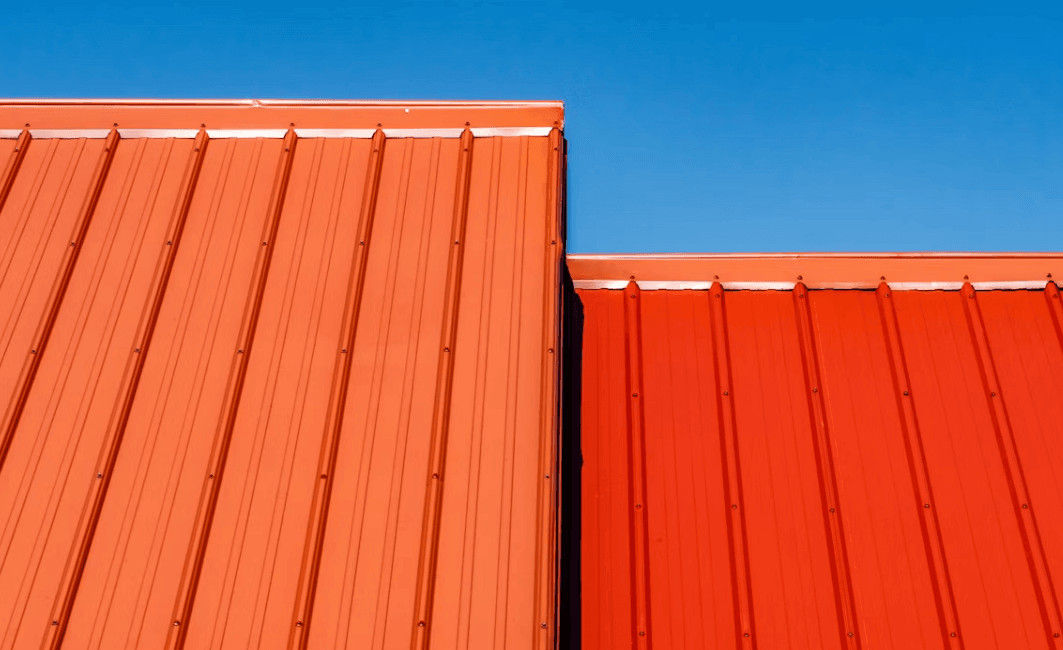
Metal roofing carries a Class A fire rating, the highest classification available, and unlike some other materials marketed as fire-resistant that will still eventually ignite under sufficient heat exposure, metal is genuinely non-combustible. An ember landing on a metal roof heats that localized area but doesn’t provide fuel for actual flame spread the way wood shakes or, to a lesser degree, aging asphalt shingles can.
Beyond the fire consideration specifically, metal roofing handles Somers’s other genuine climate demands well: heavy snow load common to the Flathead Valley, high wind events that can exceed 120 mph in severe storms, and the freeze-thaw cycling that comes with a real Montana winter. This combination of benefits, fire resistance plus strong performance against the region’s other weather demands, is a big part of why metal has become the recommended default rather than just one option among several.
Why Vents and Gaps Matter as Much as the Roofing Material Itself
Fire-resistant roofing material alone doesn’t fully address wildfire risk if embers can still find their way into a home through other openings. Vent openings need covering with corrosive-resistant metal mesh, typically an eighth of an inch or finer, to prevent embers from entering the attic or crawlspace through ventilation points, since embers entering through an unprotected vent can ignite a home from the inside even with a fully fire-resistant roof surface protecting the exterior.
Why Insurance Considerations Are Increasingly Relevant Here
Given how directly a fire-resistant roof reduces a property’s actual wildfire risk, it’s worth asking directly whether a metal roof upgrade affects your specific insurance premium or coverage terms, particularly for properties in higher-risk wildland-urban interface zones around the Flathead Valley’s forested areas. Some carriers do factor material choice into risk assessment for properties in these specific zones.
What a Complete Wildfire-Conscious Approach Looks Like Beyond the Roof
While a metal roof addresses the single most vulnerable component, a genuinely comprehensive approach to reducing wildfire risk around a Somers property also includes clearing debris from gutters, since accumulated leaves and needles can themselves ignite from ember contact even on a fire-resistant roof surface, and maintaining defensible space by clearing vegetation and combustible material away from the immediate structure.
Getting a Roof That Addresses This Region’s Real Risk
Because wildfire risk in this specific part of Montana is a documented, genuine concern rather than a remote possibility, it’s worth weighing that factor seriously alongside snow load and wind resistance when planning a roofing project.
Metal roof installation in Somers, MT that accounts for this region’s full combination of wildfire, snow, and wind exposure gives homes here meaningfully better protection than a roofing choice made without that specific local risk in mind.