Natural materials remain popular in interior design because they bring warmth, texture, and authentic character into a space. Wood, stone, linen, clay, and rattan can also create a stronger connection to nature while working across many design styles.
This guide explains which natural materials work well indoors and how to combine them for a balanced, timeless interior.
What Are Natural Materials in Interior Design?
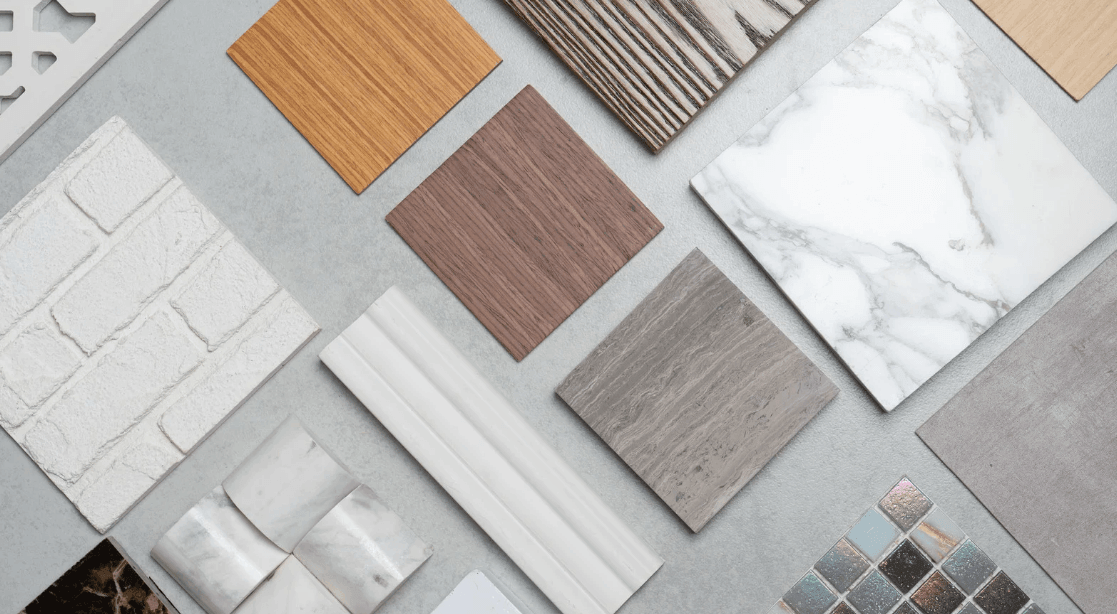
Natural materials in interior design come from natural sources and usually keep some of their original visual or tactile character. Wood grain, stone veining, woven fibers, and earthy clay surfaces are common examples. Popular natural interior materials include wood, stone, linen, wool, clay, rattan, cork, and bamboo.
Unlike heavily synthetic finishes, these materials often show natural variation. Interior design experts in Miami and other professionals often consider not only a material’s appearance, but also its sourcing, processing, durability, and environmental impact when selecting natural finishes for a space.
Natural Materials That Work Best in Interior Design
A successful natural materials interior design scheme combines foundational surfaces with softer, more tactile details. Wood and stone are among the most versatile choices, while textiles, rattan, cork, and clay can help create more layered natural interiors.
Wood for Warmth, Texture, and Character
Wood is one of the most adaptable materials in interior design. It works across flooring, furniture, cabinetry, wall paneling, and architectural details. Light oak can make a room feel open and relaxed, while walnut adds deeper color and visual richness. Grain, finish, and tone all influence the mood of natural wood interiors. Reclaimed wood or responsibly sourced timber can also add character while supporting more considered material choices.
Natural Stone for Depth and Timeless Appeal
Natural stone adds depth, pattern, and a sense of permanence to interiors. Marble can create elegant movement, while limestone and travertine offer softer, more understated textures. Granite and slate bring stronger visual weight and durability. In natural stone interior design, these materials can appear on floors, fireplaces, feature walls, bathrooms, countertops, or smaller decorative accents. Their veining and surface variation make each application feel distinctive.
Natural Textiles, Rattan, Clay, and Other Materials
Softer materials help balance the harder surfaces of wood and stone. Linen, cotton, wool, and jute introduce comfort through curtains, rugs, upholstery, bedding, and cushions. Rattan and cork can add lighter texture, while clay and terracotta bring earthy color and handmade character. Used together, these natural fibers and tactile materials create contrast without overwhelming the room. They also help natural interiors feel warmer and more layered.
How to Combine Wood and Stone in Natural Interiors
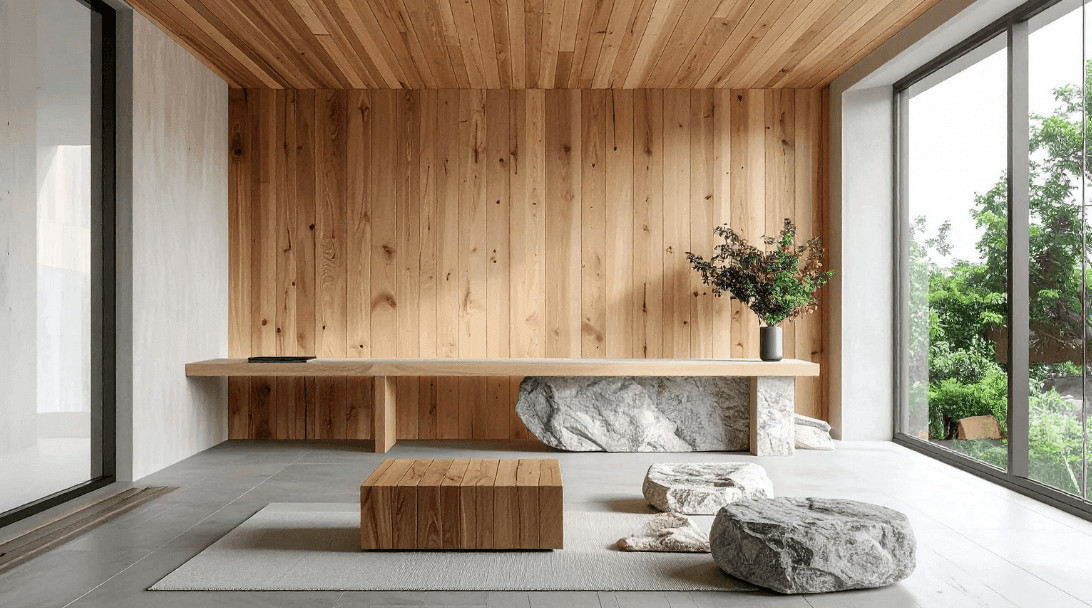
Wood and stone work well together because they bring different qualities into the same space. Wood adds warmth and softness, while stone provides structure, texture, and visual weight. Light oak can pair beautifully with travertine or limestone, while walnut can create contrast beside marble. Timber furniture can also soften a room with stone flooring.
Instead of matching colors exactly, coordinate the undertones so the materials feel related. Warm beige stone often works well with honey-toned wood, while cooler gray stone can suit paler timber. Add linen, wool, or other soft natural textures to keep the combination comfortable and balanced.
Why Natural Materials Work So Well in Interior Design
Natural materials work well in interior design because they create warmth, texture, visual variation, and lasting character. Grain, veining, woven surfaces, and subtle imperfections can make a room feel less uniform and more connected to nature. Many materials also develop an attractive patina as they age.
Natural materials may support more sustainable design choices, but their impact depends on sourcing, processing, transport, durability, and lifecycle. Therefore, responsible selection matters as much as whether the material itself comes from nature.
Use Natural Materials Without Making a Room Feel Too Rustic
Natural materials do not have to make a room feel rustic. They can work equally well in modern, minimalist, Scandinavian, contemporary, and luxury interiors. The key is to balance organic texture with clean lines, simple forms, and a restrained color palette.
Limit the room to two or three dominant materials rather than introducing too many competing finishes. For example, a contemporary living room can combine pale oak furniture, limestone surfaces, and linen upholstery. Repeating those materials in smaller details creates cohesion while preserving a calm, modern natural interior.
Choose Natural Materials With Longevity and Sourcing in Mind
Appearance is only one factor when choosing natural materials. Consider durability, maintenance, moisture exposure, expected wear, and how each surface will age. Wood may need protection in damp areas, while some stone requires sealing and careful cleaning.
Where possible, look for responsibly managed timber, FSC-certified wood, reclaimed materials, or locally available options. A sustainable natural material should make sense across its full lifecycle, including sourcing, maintenance, longevity, and eventual replacement.
Create a More Natural Interior Through Material, Texture, and Balance
Successful natural interiors depend on balance rather than using as many organic materials as possible. Wood and stone can provide a strong foundation, while linen, wool, rattan, clay, and other textures add softness and personality. Choose materials with complementary tones, varied surfaces, and practical qualities to create an interior that feels natural, cohesive, and built to last.