Whether to rent or buy is one of the biggest housing decisions most people make. Most comparisons stop at the monthly payment. The bigger differences often show up later: who handles repairs, who pays for upkeep and how much freedom you have to change the place you live in.
This guide looks at renting versus buying from a practical, hands-on angle: home inspections, maintenance responsibilities, renovation flexibility and repair costs.
Home Inspections: Know What You Are Taking On
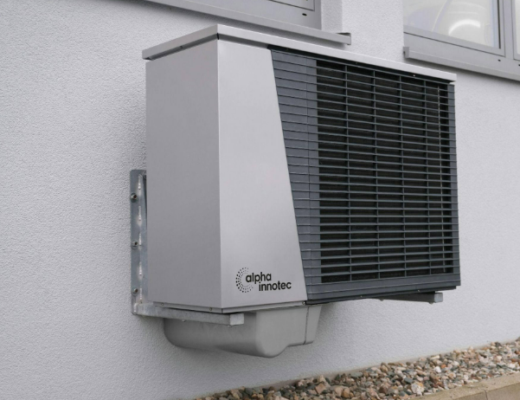
For buyers, the inspection is one of the most important steps before closing, and one of the upfront costs of owning along with the down payment, closing costs and moving expenses. A good inspection tells you what you are taking on: the age and condition of the roof, the plumbing and electrical systems, signs of water damage and the state of the heating and cooling equipment.
Read the report as a maintenance plan, not just a pass or fail. Items that are fine today may need attention in a few years, and those costs become yours the day you close. Use the report to rank what needs attention first and what can wait.
Renters have an inspection step too. Before you move in, do a full walk-through, document the condition of the unit with photos and keep a copy of the inspection. This protects your security deposit when you move out and gives you a record if something that was already worn breaks.
Maintenance Responsibilities
The clearest practical difference between renting and buying is who answers the call when something goes wrong. In many rentals, the landlord handles major repairs and building systems, and you report problems rather than fix them. That convenience is part of what you pay for in rent.
Owners carry all of it. Routine maintenance, repairs, landscaping and, in some communities, HOA fees add up over the year. Depending on where you live, there may be seasonal work as well, such as clearing vegetation, protecting pipes or preparing the exterior for storms.
A few simple habits help owners stay ahead:
- Keep a running list of seasonal tasks, from gutters and filters to exterior checks
- Track the age of major systems such as the roof, water heater and HVAC
- Set money aside each month for upkeep instead of waiting for a repair bill
Factor this into your monthly budget, not just the mortgage payment.
Renovation Flexibility
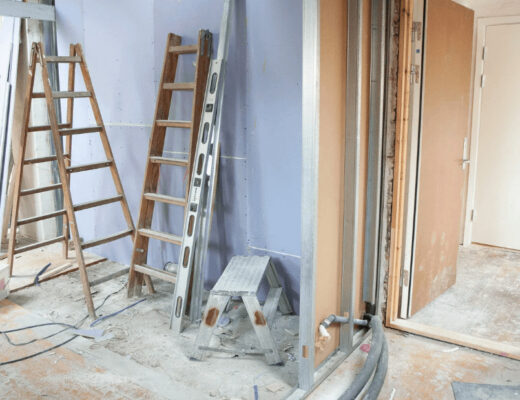
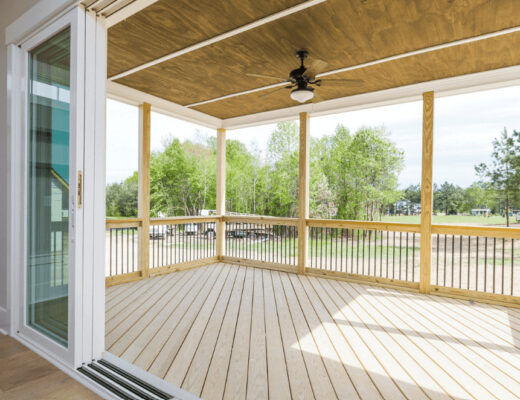
If you like to improve your space, ownership gives you room to do it. You can remodel a kitchen, update a bathroom, add outdoor living space or take on smaller DIY projects without asking anyone’s permission, as long as you follow local codes and permit rules. Over time, those improvements can make a home fit your life better and help build equity.
Renters have far less freedom. Most leases limit changes to paint, fixtures and anything permanent, and improvements you pay for stay with the unit when you leave. If you rent, read the lease carefully before you plan projects, and ask your landlord before you change anything. Removable upgrades, such as furniture, lamps and storage systems you can take with you, are the safer bet.
Repair Costs and Risk
Repair costs are where the rent versus buy decision often comes down to risk. An owner pays for a failed water heater, a roof leak or a broken HVAC system directly. A renter usually does not. If you buy, keep an emergency fund for repairs alongside your regular maintenance budget, so one large bill does not turn into debt.
Insurance is part of the same picture. Homeowners insurance costs and coverage options can vary a lot with a home’s location, age and construction, so get quotes for the specific address before you make an offer. Renters insurance is usually much simpler and less expensive to set up.
Owners also pay property taxes, which vary by state and county. Ask about them early, since they change the true monthly cost of owning a home.
How Long You Plan to Stay
Time ties all of this together. Buying comes with upfront costs, and selling later brings another round. If you expect to stay only a year or two, those costs, plus the upkeep you take on, can outweigh the benefits of owning. If you plan to stay for many years, buying starts to look stronger: you build equity and gain the freedom to shape the home over time.

Some people choose a middle path. They rent first, learn which neighborhoods and types of homes suit them, and then buy once they know what they want to own and maintain for the long term.
Planning the Move Either Way
Whether you rent or buy, the move itself is part of the cost and the timeline. If you rent first and buy later, you may move twice within a few years, so plan your budget for both. Choose a lease length that lines up with your home search, and avoid tight overlaps between your move-out and closing dates.
Plan around access, too. Hillside homes may have steep driveways, and older homes may sit on narrow streets. If your move is in Sonoma County, an experienced moving company in Santa Rosa can help you plan for these details so your move fits your schedule and your new home.
Questions to Ask Before You Decide
- What did the inspection reveal, and what will need attention in the next few years?
- Am I ready to handle maintenance and repairs myself, or would I rather a landlord did?
- Do I want the freedom to renovate, or am I happy with the space as it is?
- Does my budget include maintenance, repairs, insurance and taxes, not just the mortgage?
- Do I have an emergency fund for unexpected repairs?
- How many years do I realistically expect to stay?
The Takeaway
There is no single right answer to renting versus buying. Renting keeps repairs and upkeep off your plate and leaves you flexible. Buying gives you control over your space and the freedom to improve it, along with the costs that come with it. Weigh the inspection, the maintenance and the repair budget as seriously as the monthly payment, and you will make the choice that fits you best.