Recognizing early warning signs can help prevent expensive repairs, structural damage, and interior water issues.
Understanding when to call a roofing contractor can save homeowners time, money, and stress while extending the life of the roof.
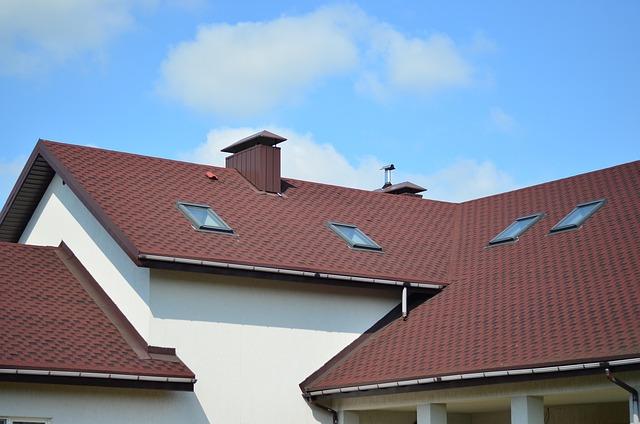
Why Roof Problems Should Never Be Ignored
Small roofing issues can quickly become major structural problems if left untreated.
Water Damage Can Spread Quickly
Minor roof leaks can eventually damage insulation, ceilings, drywall, flooring, and framing.
Delayed Repairs Often Cost More
Addressing roofing damage early is usually far less expensive than major repairs or full roof replacement.
Roofing Damage Can Affect Energy Efficiency
Damaged roofing systems may reduce insulation performance and increase heating or cooling costs.
Missing or Damaged Shingles
One of the most common signs homeowners notice is visible shingle damage.
Missing Shingles After Storms
Strong winds and severe weather can remove shingles from the roof surface.
Curling or Cracked Shingles
Older shingles often curl, crack, or become brittle over time due to weather exposure and aging.
Granule Loss
Asphalt shingles naturally lose granules as they age.
Large amounts of granules collecting in gutters may indicate roof deterioration.
Roof Leaks and Interior Water Damage
Leaks are one of the clearest indicators that professional roofing inspection may be needed.
Ceiling Water Stains
Brown stains on ceilings or walls may signal water intrusion through the roof.
Attic Moisture
Moisture or mold in attic spaces can indicate roofing or ventilation problems.
Dripping Water During Rainstorms
Active leaks during storms should be addressed immediately to prevent structural damage.
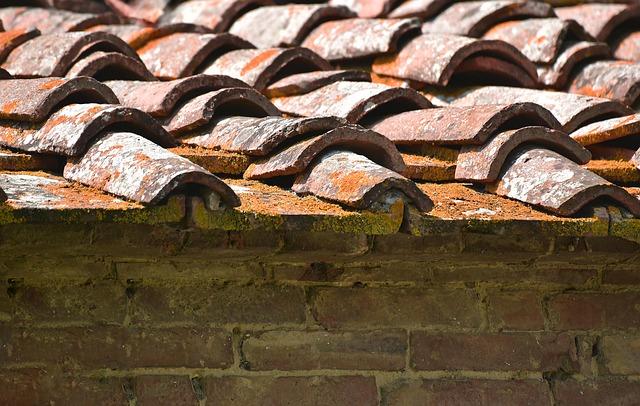
Storm Damage Warning Signs
Storms are one of the leading causes of roofing damage.
Hail Damage
Hail can damage shingles, flashing, vents, and gutters, even if the damage is not immediately visible.
Wind Damage
High winds may loosen shingles or expose vulnerable areas of the roof.
Fallen Tree Limbs
Branches falling onto the roof can create punctures or hidden structural damage.
Sagging Roof Areas
A sagging roofline is a serious warning sign.
Structural Concerns
Sagging may indicate moisture damage, weakened decking, or structural deterioration beneath the roof surface.
Immediate Inspection Recommended
Visible sagging should be evaluated by a roofing professional as soon as possible.
Roof Age and Lifespan
Roofing materials eventually wear out over time.
Asphalt Shingle Roof Lifespan
Most asphalt roofs last between 15 and 30 years, depending on material quality and weather exposure.
Metal Roof Lifespan
Metal roofs generally last significantly longer, often between 40 and 70 years.
Older Roofs Require More Monitoring
Even if leaks are not visible, older roofs may still develop hidden weaknesses.
Rising Energy Bills
Roof problems can impact indoor comfort and energy efficiency.
Poor Insulation Performance
Damaged roofing systems may allow heat or cooled air to escape.
Ventilation Problems
Improper attic ventilation can increase HVAC strain and utility costs.
Mold, Algae, and Moss Growth
Organic growth on roofing surfaces may indicate moisture retention problems.
Algae Stains
Dark streaks on shingles are often caused by algae growth.
Moss Accumulation
Moss can trap moisture against roofing materials and accelerate deterioration.
Gutter and Drainage Issues
Roofing systems and gutters work together to protect the home.
Overflowing Gutters
Poor drainage may cause water to back up onto the roof.
Detached Gutters
Loose or damaged gutters can affect roof edges and fascia boards.
Flashing and Sealant Problems
Flashing protects vulnerable roof areas around chimneys, vents, skylights, and valleys.
Damaged Flashing
Loose or corroded flashing can allow water intrusion.
Cracked Sealants
Sealants around roof penetrations may deteriorate over time.
Why Professional Roof Inspections Matter
Many roofing problems are difficult for homeowners to identify safely from the ground.
Early Damage Detection
Professional inspections can uncover hidden storm damage, moisture problems, and ventilation issues.
Safety Considerations
Walking on roofs can be dangerous without proper equipment and experience.
Accurate Repair Recommendations
Roofing contractors can determine whether repairs or replacement is the better long-term solution.
How Often Should Homeowners Schedule Roof Inspections?
Routine inspections help identify issues before major damage develops.
Annual Roof Inspections
Many homeowners schedule professional inspections once per year.
Post-Storm Inspections
Roofs should also be inspected after severe weather events involving hail or strong winds.
Choosing the Right Roofing Contractor
Working with an experienced roofing company is important for long-term results.
Verify Licensing and Insurance
Professional contractors should carry proper licensing and insurance coverage.
Review Local Experience
Local roofing companies understand regional weather conditions and common roofing challenges.
Ask About Warranties
Quality roofing contractors like Streamline Roofing often provide workmanship warranties and material coverage.
Protecting Your Home Starts With Your Roof
Your roof plays a critical role in protecting your home, family, and belongings from weather and moisture damage.
Recognizing early warning signs and scheduling professional inspections can help homeowners avoid major structural repairs and extend the roof’s lifespan.