If you’re the type of homeowner who reads about jobsite waste management or debates the merits of DIY versus hiring a pro for a kitchen remodel, you already understand a core truth about houses: small problems left unaddressed become expensive ones. Pest prevention works the same way. The caulk gun you keep in the garage for trim work and the flashlight you use to check the crawlspace after a storm are the same tools that keep ants, roaches, and rodents from finding a way in. Prevention is a home improvement mindset applied to a different kind of intruder.
For homeowners in South Florida, this mindset matters even more. The warm, humid climate that makes Delray Beach a great place to live also makes it an ideal environment for pests to thrive year-round. Unlike homeowners up north who get a winter reprieve, Florida residents deal with active pest pressure in every season, which means prevention has to be a habit, not a seasonal chore.
Why Prevention Beats Reaction: The Cost and Stress of Waiting Until Pests Arrive
Nearly 40% of U.S. homeowners deal with a pest infestation every year, according to a 2024 Forbes Home survey, and the financial toll of waiting until pests are already inside can be steep. Termite damage alone averages roughly $3,000 per colony in repair costs, based on National Pest Management Association data, and that figure doesn’t account for the stress of discovering structural damage you didn’t know was happening. Reactive pest control also tends to be more disruptive. It often involves tearing into walls, treating active infestations with heavier chemical applications, or replacing damaged materials, much like the costly surprises detailed in renovation mistakes to avoid, where skipping the planning stage leads to bigger bills down the road.
Homeowners who work with a local company like Rowland Pest Management often find that regular inspections and early intervention cost a fraction of what emergency treatments run. Prevention also spares you the disruption of scheduling emergency visits, moving furniture for treatments, or worrying about pets and children around fresh chemical applications. Waiting for a problem to become visible almost always means the problem has already progressed further than you’d like.
The Three-Pillar Prevention Framework: Removing Food, Water, and Shelter Sources
Every pest that enters a home is searching for one of three things: food, water, or shelter. Removing access to these three essentials is the single most effective long-term strategy homeowners have, and it’s a philosophy echoed by federal guidance. According to EPA, keeping pests from accessing food, water, and shelter is the foundation of effective prevention, since eliminating these essentials makes a home far less appealing to invaders in the first place.
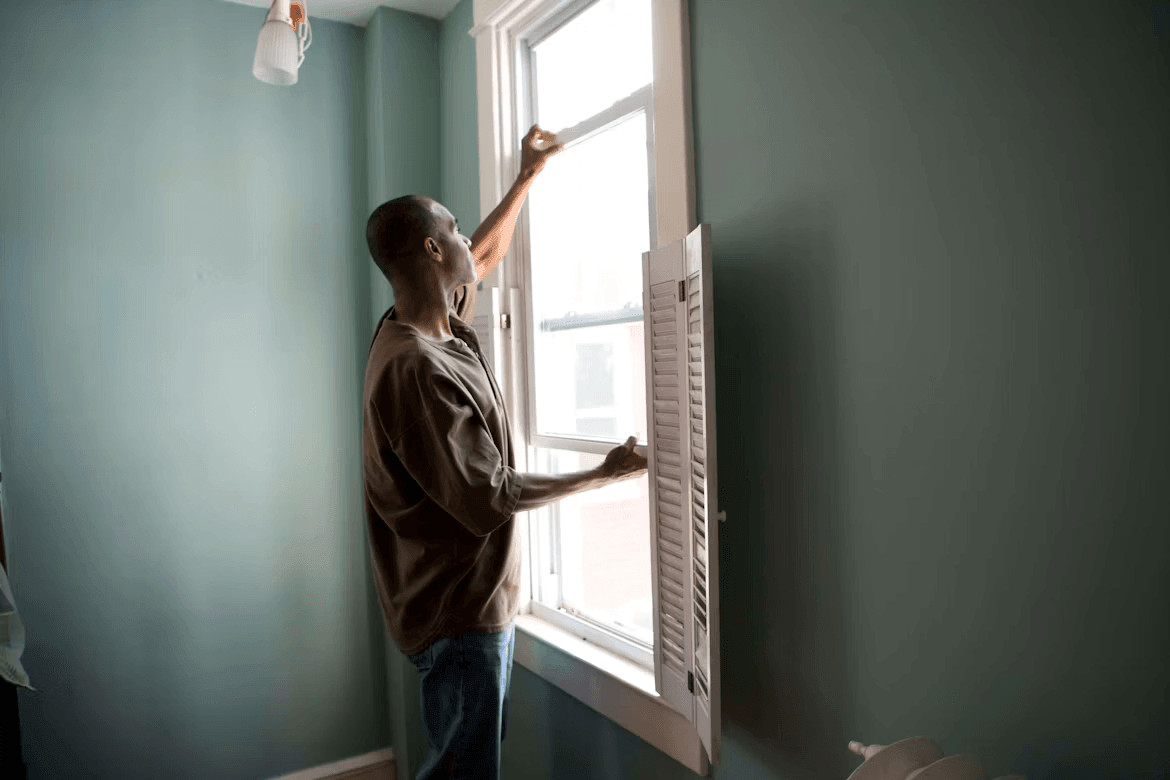
In practical terms, this means storing pantry items in sealed containers, wiping down counters after cooking, and not letting dirty dishes sit overnight. It means fixing leaky faucets, drying out damp areas under sinks, and making sure gutters direct water away from the foundation rather than pooling near it. Shelter reduction involves clearing woodpiles away from the house, trimming vegetation that touches exterior walls, and keeping garages and sheds organized so pests don’t have quiet corners to nest in undisturbed. Ants remain the most common household pest in America, affecting 56% of homes per the Forbes Home survey, and they are relentless about finding even the smallest food source left exposed.
Sealing Your Home’s Defenses: Entry Points and Structural Barriers Delray Beach Homeowners Must Address
Sealing entry points is the preventive measure homeowners trust most, and for good reason. A 2025 Modern Pest Services survey found that 58% of homeowners cite sealing cracks and gaps as their primary defense strategy, and the logic is straightforward: pests can’t get inside if there’s no way in. Common entry points include gaps around utility lines, unsealed vents, worn weatherstripping on doors, and cracks in the foundation that widen over time due to Florida’s humidity and heat cycles.
Walk the exterior of your home at least twice a year and look for gaps larger than a quarter inch, since that’s roughly the threshold many rodents and larger insects can exploit. Screens on windows and vents should be intact, and any openings where pipes or cables enter the house should be packed with steel wool or caulked with a pest-resistant sealant. Garage doors deserve particular attention in Florida, since they often sit with worn seals that create an open invitation for palmetto bugs and other crawling pests. This kind of structural vigilance overlaps heavily with general home maintenance, which is exactly why homeowners who already take pride in their properties tend to have fewer pest issues overall.
Seasonal Vigilance: Year-Round Monitoring Habits for Florida’s Pest Calendar
While much of the country treats pest prevention as a fall task before winter sets in, Florida homeowners need a different rhythm. A recent Modern Pest Services survey found that 55% of homeowners take proactive steps before pests enter their homes in the fall, but in South Florida, that vigilance needs to extend across all four seasons. Summer brings increased mosquito activity and higher humidity that draws termites toward moisture-damaged wood, while the dry season can push rodents and insects indoors in search of water sources they can no longer find outside.
Building a simple quarterly checklist works well: inspect the roofline and attic for signs of entry in early spring, check for standing water and mosquito breeding sites through summer, monitor the exterior perimeter and mulch beds in the fall, and reassess weatherstripping and vents heading into the cooler winter months. Keeping a log of what you find, even informally, helps you spot patterns and catch new activity before it becomes an established colony or nest.
| Statistic | Figure |
| Homeowners experiencing pest infestations annually | 40% of U.S. homeowners |
| Most popular preventive measure (sealing cracks and gaps) | 58% of homeowners |
| Average termite repair cost per colony | $3,000 |
| Homeowners taking proactive fall pest control steps | 55% |
| Most common household pest (ants) | 56% of homes |
When prevention habits fall short, or when an infestation is already established, professional treatment becomes the practical next step rather than the first line of defense. A trained technician can identify conducive conditions homeowners often miss, such as moisture pockets behind stucco or termite mud tubes hidden low along a foundation wall. Even then, the goal of remediation should be to restore the same preventive baseline that kept pests out in the first place, not simply to treat the visible symptom. Thinking of pest control as an ongoing maintenance habit, rather than a one-time emergency fix, ultimately saves homeowners both money and peace of mind.