A successful home renovation starts long before finishes, fixtures, or furniture come into play. In a city like Toronto, where seasonal temperature swings and moisture levels can challenge even well-built homes, structural upgrades require careful planning. The real value of a renovation lies behind the walls, in how well the home manages moisture, airflow, and long-term durability.
For basement projects in particular, managing hidden factors like the basement humidity level and ensuring proper ventilation is essential. Addressing these elements early helps prevent mold, protects structural components, and creates a space that remains comfortable year-round.
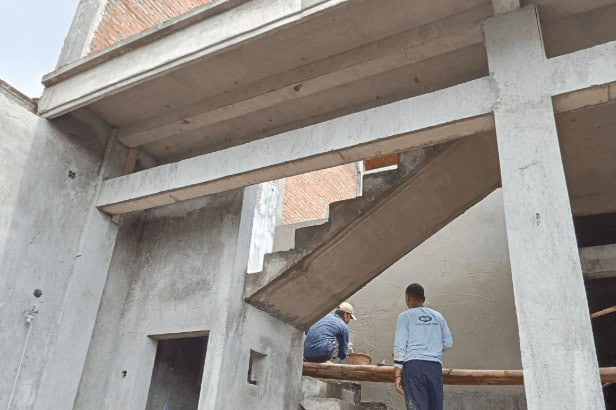
Prioritize Moisture Control and Structural Integrity
Professionals involved in home renovation Toronto projects consistently emphasize that moisture control and structural integrity go hand in hand. Toronto’s freeze-thaw cycles can stress foundations, especially in older homes that lack proper insulation or waterproofing.
Upgrading drainage systems, sealing foundation walls, and installing sump pumps where needed are critical first steps. These improvements can transform a damp, underused basement into a dry and livable space while protecting the home from costly water damage. Working with a team that understands local building codes and soil conditions ensures the renovation is built to last.
Design for Light, Flow, and Function
Once the structure is sound and moisture is under control, thoughtful design can dramatically improve how the space feels and functions. A well-planned basement renovation should maximize natural light, movement, and usability.
Incorporating larger windows or light wells can make a basement feel open and inviting rather than enclosed. With the right layout, these spaces can become fully functional home offices, guest suites, or entertainment areas. Upgraded plumbing and electrical systems should be integrated into the design from the start, ensuring outlets, lighting, and fixtures are placed for both convenience and aesthetics.
Integrate Smart Systems Early
Modern renovations increasingly treat the home as a connected system. Integrating smart technology during the structural phase allows for better performance and long-term efficiency.
Automated HVAC systems, humidity sensors, and smart ventilation can continuously adjust to changing conditions, helping maintain consistent air quality and temperature. These systems are especially valuable in basements, where moisture and airflow need close monitoring. Investing in this infrastructure early can reduce maintenance costs and improve energy efficiency over time.
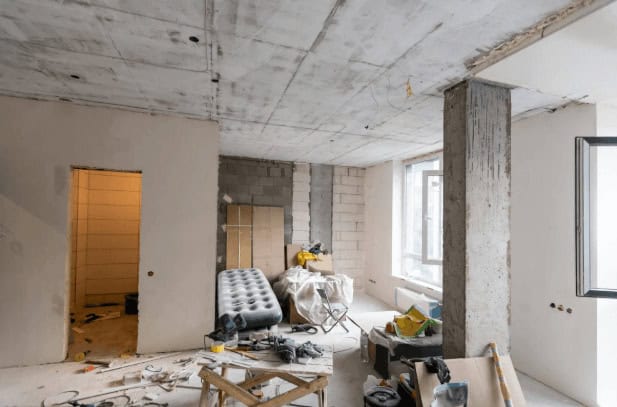
Choose Durable, High-Performance Materials
After completing structural upgrades, selecting the right materials ensures the finished space holds up under daily use. Flooring, paint, and hardware should be chosen not only for appearance but also for durability and resistance to moisture.
Materials designed for below-grade environments, such as engineered flooring or moisture-resistant drywall, can significantly extend the lifespan of the renovation. When paired with a properly prepared structure, these finishes help create a space that is both attractive and resilient.
Build for Long-Term Value
A well-executed structural renovation improves more than just the look of a home. By addressing foundational elements like moisture control, ventilation, and system integration, homeowners can increase property value while enhancing comfort and livability.
From the initial excavation to the final coat of paint, every phase of the project plays a role in its success. Taking a systems-based approach ensures that all components work together, resulting in a home that performs as well as it looks for years to come.