Upgrading household piping keeps heating systems running smoothly and protects modern appliances. Older gas lines struggle to satisfy the demands of new high-efficiency furnaces, outdoor kitchens, or tankless water heaters. To plan an upgrade, understand typical installation expenses, local permits, and safety steps.
Upgraded piping delivers reliable fuel pressure and lowers the risk of leaks. Knowing what to expect during installation makes the entire project manageable.
Recognizing When Your Gas Line Needs an Upgrade
Homeowners frequently add heavy-duty appliances without thinking about supply lines. If you plan to expand appliance capacity in your area, professionals like Gas Service Line Gas Service Line Repair & Installation in Pittsburgh guarantee proper sizing and safety compliance. Undersized supply pipes restrict fuel flow and force heating units to run inefficiently.
Rust and corrosion on existing metal pipes signal urgent structural wear. Visible corrosion near connections means internal walls are thinning out. Swapping out aging iron lines prevents hazardous fuel leaks before minor cracks turn into emergencies.
Adding an outdoor fire pit or converting an electric dryer to natural gas demands higher gas volume. Standard line sizes cannot supply multiple high-draw fixtures. Investing in system upgrades keeps fuel flowing reliably during peak winter demand.
Calculating General Gas Line Installation Expenses
Budgeting for pipe replacement means analyzing total linear distance and labor demands. Typical repair and replacement projects cost roughly $598 total, or between $15 and $25 per linear foot. Shorter runs inside accessible basements stay near the bottom of that scale.
Longer runs that cut through walls or extend underground require extra labor and materials. Professional installation costs range from $271 to $936 for standard home projects, averaging $598 total. Labor rates shift based on local plumber availability and municipal inspection requirements.
Flexible corrugated stainless steel tubing and rigid black iron influence total costs. Harder installations in tight crawl spaces increase labor hours quickly.
Understanding Underground and Exterior Line Pricing
Running outdoor fuel lines to pool heaters or backyard grills introduces extra trenching steps. Full replacement projects run between $15 and $35 per linear foot, depending on pipe material and property terrain. Digging through rocky soil or under paved pathways adds to physical labor demands.
Deep trenching requires extra care to protect nearby root systems and buried utilities. Underground installation rates range between $15 and $50 per linear foot, including trench depth, soil consistency, and permit costs. Professional excavators use specialized equipment to minimize yard damage.
Contractors must restore turf, concrete, or pavers after laying underground lines. Accounting for landscaping repairs keeps project costs from surprising homeowners.
Estimating Costs for Specific Piping Runs and Equipment
Every appliance hookup presents distinct layout challenges that affect pricing calculations. Basic installation costs vary between $864 and $1,060 per piping run based on site conditions. Connecting multiple gas fixtures during one visit reduces per-line service fees.
Cost research demonstrates most residential owners pay from $271 to $935, with a national average near $598. Complex custom runs take longer to pressure-test and approve. Key project elements influence total estimates for line installation:
- Distance from main utility meter to individual gas appliances
- Pipe material selection, including flexible stainless tubing or rigid black steel
- Wall penetration requirements and crawl space access constraints
- Municipal permit fees and mandatory safety inspection sign-offs
Planning piping routes carefully keeps material waste low and saves labor hours.
Factor Breakdown for Total Installation Budgets
Project pricing reflects material choices and administrative steps required by local codes. Homeowners pay $15 to $25 per linear foot when hiring licensed professionals to handle permits, materials, labor, and safety testing. Complex retrofits demand careful handling to prevent gas shutoffs.
Comprehensive home gas projects involving high-demand appliances range higher in price. Total installation costs span between $400 and $2,500, with most standard jobs falling from $800 to $1,800. Upgrading main service lines to support tankless water systems fits upper price brackets.
Permit fees differ between municipalities across different regions. Licensed plumbers manage permit filings to verify all work follows current fuel gas codes.
Selecting the Right Piping Materials for Your Home
Black iron piping remains a standard choice for indoor structural runs for its high durability. Threaded connections form airtight seals that resist mechanical stress over decades. Installing rigid iron requires precise cutting and threading on job sites.
Corrugated stainless steel tubing offers flexible routing around obstacles inside walls and ceilings. Flexible lines reduce the need for multiple elbow fittings, speeding up installation times. Protective exterior coatings protect yellow tubing from accidental puncture or chemical exposure.
Polyethylene piping serves as the primary material for underground exterior runs. Flexible plastic fuel lines resist soil moisture and chemical breakdown.
Crucial Safety Protocols During Installation
Working with natural gas demands strict adherence to industry safety procedures. Qualified technicians shut off main shutoff valves before cutting into existing line sections. Bleeding residual gas from pipes prevents accidental ignition during fitting assembly.
Technicians execute standard safety procedures to confirm complete system integrity:
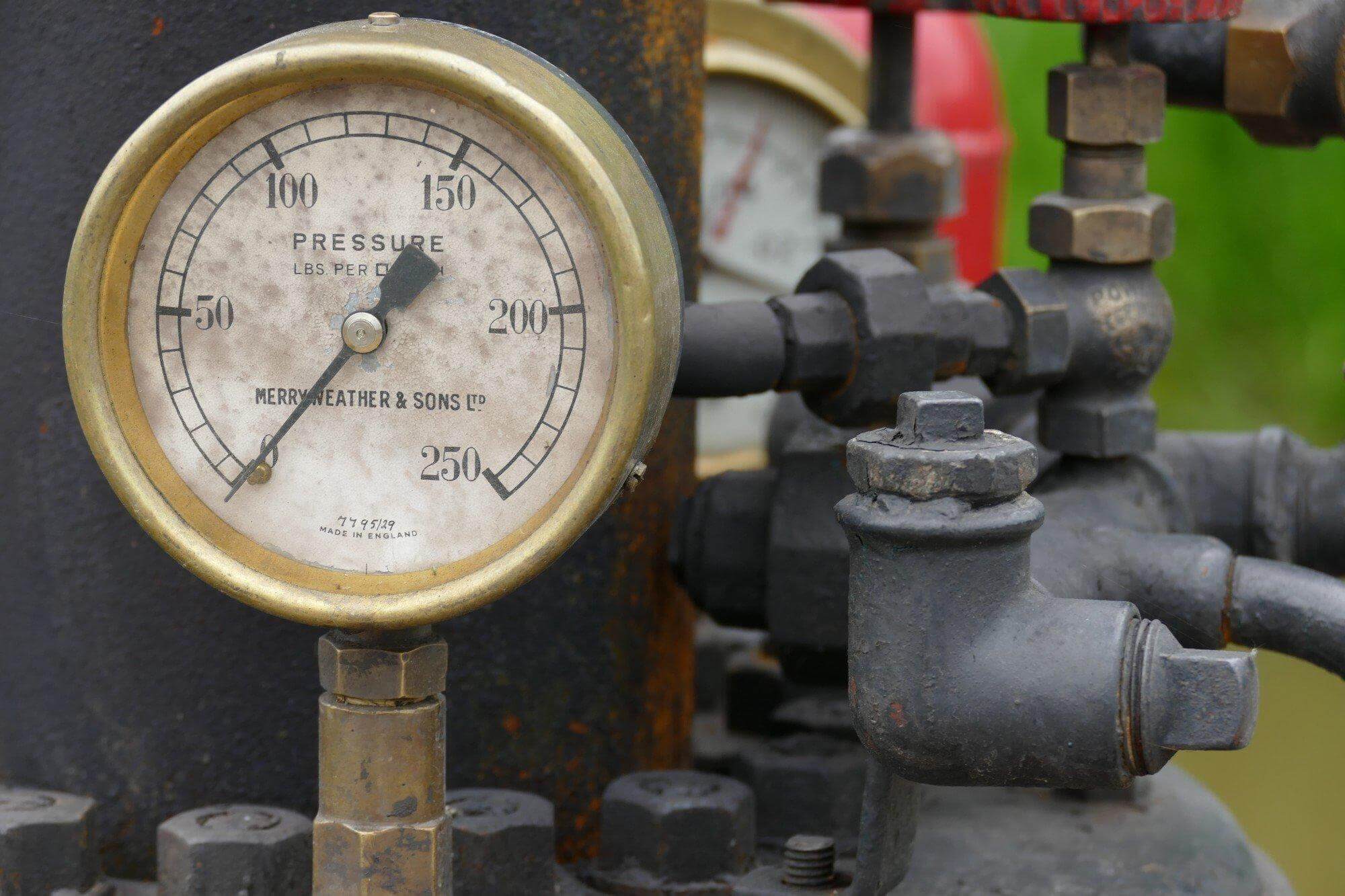
- Performing pressure tests with air or nitrogen before introducing fuel gas
- Applying liquid leak detection solution to every threaded joint and connection
- Installing dedicated shutoff valves at each connected appliance location
- Verifying proper venting for high-capacity heating equipment
Sniff tests and bubble solutions catch micro-leaks that pressure gauges might miss. Certified technicians test connections multiple times before restoring fuel flow.
Permits, Inspections, and Local Building Codes
Municipal building codes govern all fuel line additions to protect residential structures. Homeowners must secure permits before starting major plumbing modifications or new branch lines. City inspectors review installed lines before gas meters get turned back on.
Unpermitted gas work creates severe safety hazards and complicates home insurance claims. Licensed contractors coordinate with local code enforcement offices to schedule required inspections. Passing inspection verifies all work matches safety requirements and national fuel codes.
Proper documentation keeps your property record clear when selling your house later. Official records confirm all work met strict safety guidelines.
Maintaining Your New Fuel Piping System
Routine maintenance keeps updated gas lines operating safely and efficiently for decades. Scheduling annual HVAC and plumbing checkups catches small connection issues early. Technicians check pipe supports, shutoff valves, and flexible appliance connectors for wear.
Keeping the area around indoor gas lines free from heavy stored items prevents accidental pipe damage. Outdoor lines need clear space away from deep-rooting trees and heavy landscaping equipment. Immediate action is required whenever sulfur-like odors or whistling sounds occur near pipes.
Upgrading home fuel lines protects structural safety and expands your appliance options. Partnering with licensed plumbing professionals guarantees proper line sizing, leak-free fittings, and full code compliance. Clear budgeting and proper material selection set your project up for success. Enjoy reliable heat and efficient appliance performance.