Water quality directly affects the performance of household appliances. Hard or dirty water leads to scale buildup, clogging, and breakdowns, causing appliances to require repairs or replacement prematurely. To avoid unnecessary expenses and maintain the functionality of your devices, it is essential to pay proper attention to water filtration.
The right water filter can help protect your appliances, but not every home needs the same setup. In this article, we’ll explain how to choose the right water filter for different household appliances and what to consider before buying one.
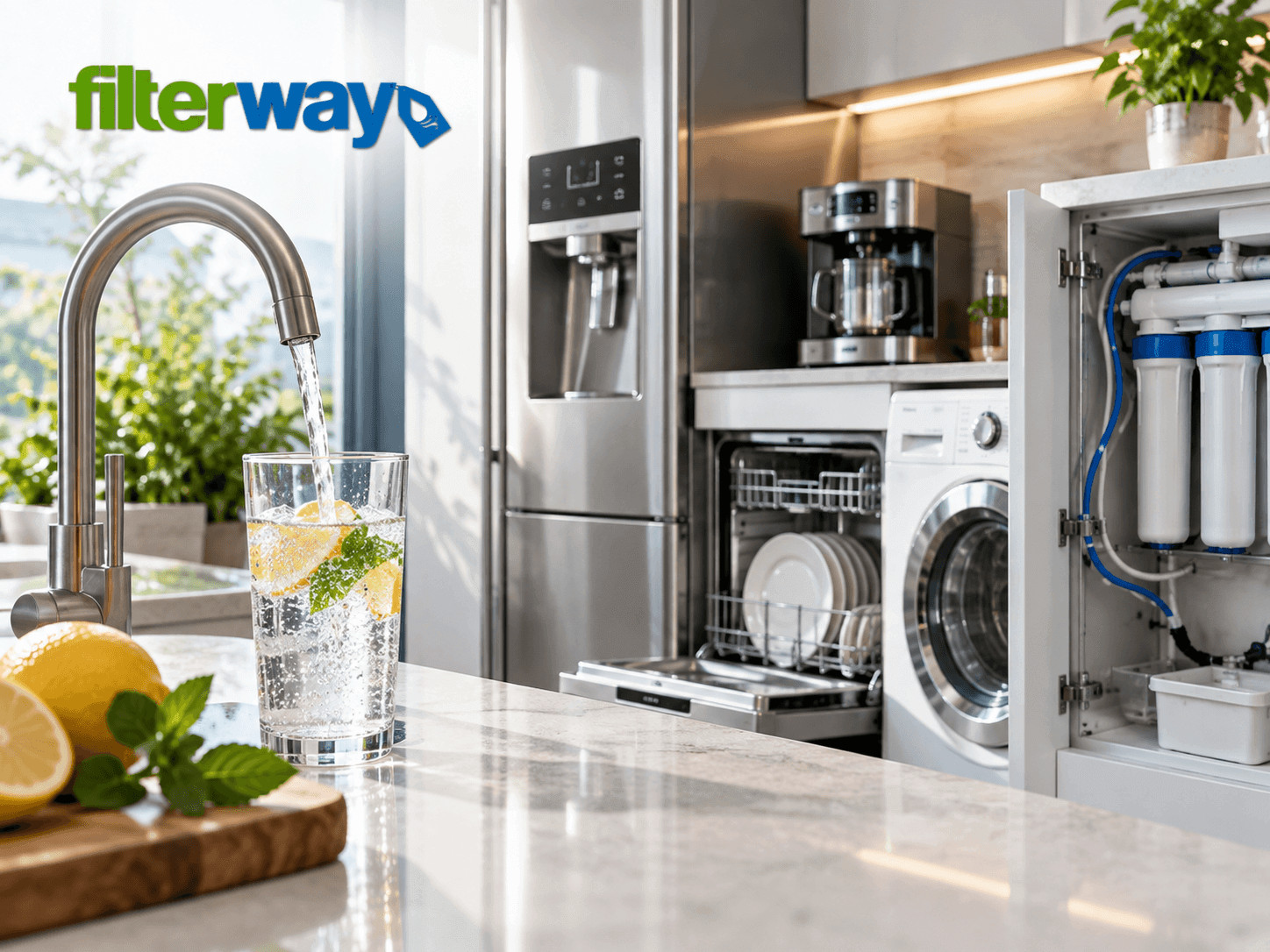
The Role of Water Filtration in Protecting Household Appliances
The water entering your home may contain minerals, rust, sediment, and chlorine. Each can affect your appliances in different ways.
Hard water contains calcium and magnesium, which can leave scale on heating elements and inside pipes. As these deposits build up, appliances may need more energy to heat water. Rust and sediment can also collect in valves, inlet screens, and other small parts, restricting water flow.
Installing a suitable filter can help reduce these problems. For example, the Filterway whole house filtration system offers options for treating different water quality issues. Depending on the filtration stages used, a system can remove sediment, reduce certain chemical contaminants, or address water hardness. This can help protect multiple appliances connected to your home’s water supply.
Types of Contaminants Harmful to Appliances
Household appliances most commonly suffer from:
- Hard water minerals, such as calcium and magnesium, which cause scale buildup;
- Rust and metallic sediment;
- Chlorine and its by-products;
- Chemical impurities and organic matter.
These substances don’t all cause the same problems. Hard water leaves mineral deposits, while sediment can clog appliance parts. Chlorine and certain chemicals are more likely to affect drinking water taste and odor. Identifying the problem first makes it easier to choose the right filter.
Types of Water Filters for Household Appliances
Water filters work in different ways, and each type serves a specific purpose. The most common options include:
- Mechanical filters: Trap sand, rust, dirt, and other particles before they reach your appliances. They are often installed near the main water inlet or on individual supply lines.
- Water softeners: Reduce calcium and magnesium in hard water, helping prevent scale buildup in washing machines, dishwashers, and water heaters.
- Carbon filters: Reduce chlorine and certain organic compounds that affect water taste and odor. These are commonly used in refrigerators with water dispensers and drinking water filtration systems.
The choice of filter depends on the type of appliance and the water quality in your home. For example, a sediment filter won’t solve a hard water problem, and a standard carbon filter won’t remove the minerals responsible for scale.
Choosing Water Filters for Different Appliances
Different household devices have specific water quality requirements. A filter that works well for a refrigerator may not be the best choice for a washing machine or water heater. Here’s what to consider for each appliance.
Washing Machines and Dishwashers
Have you noticed cloudy glasses after running the dishwasher or white deposits around your washing machine? Hard water could be the cause.
Calcium and magnesium can build up inside these appliances, especially on parts that heat water. Hard water can also make detergents less effective, leaving spots on dishes or residue on clothing.
A water softener can help reduce mineral buildup and improve detergent performance. If your water contains rust or sand, a sediment filter may also help protect inlet valves and other components.
Refrigerators with Water Dispensing Functions
Refrigerators with built-in water dispensers need filters designed for drinking water. These filters typically reduce chlorine taste and odor, along with other contaminants depending on the model and its certification.
Most refrigerator filters use activated carbon. They can improve the taste of drinking water and ice, but they don’t necessarily remove every type of contaminant or prevent bacterial growth.
Consider trusted options such as water filters for Samsung refrigerators, but always check your refrigerator’s model number before buying a replacement. Even filters made for the same brand may not fit every model.
Look for a compatible filter with appropriate performance certifications and follow the manufacturer’s replacement schedule.
Boilers and Water Heaters
Water heaters are especially prone to mineral buildup because they heat water regularly. In homes with hard water, scale can collect on heating elements and inside tanks, making heat transfer less efficient.
A water softener can help reduce these deposits. If your water supply also contains sand or rust, a mechanical filter can keep larger particles from entering the system.
Filtration can reduce certain maintenance problems, but it doesn’t replace routine water heater care. Check the manufacturer’s recommendations for flushing and servicing your unit.
How to Choose a Water Filter for Appliances
Before buying a filter, find out what’s actually in your water. A water quality report or a simple hardness test can help you identify the main problem.
If you regularly see white deposits on faucets, showerheads, or dishes, you may have hard water. A water softener is often the best option for reducing scale.
If sand or rust collects in faucet screens or appliance inlet filters, consider a mechanical sediment filter. For water that smells or tastes like chlorine, an activated carbon filter may help.
You should also check a few practical details before making a purchase:
- Compatibility: Make sure the filter works with your appliance or plumbing setup.
- Water flow: Choose a filter that can handle your home’s water demand without causing excessive pressure loss.
- Replacement costs: Check how often cartridges need changing and how much they cost.
- Certifications: Look for independent testing that confirms the filter reduces the contaminants you’re concerned about.
If your home has more than one water quality problem, a multistage filtration system may be worth considering.
Filter Maintenance and Replacement
Replace cartridges and filter modules according to the manufacturer’s recommendations. As filters collect sediment or reach the end of their service life, they can become less effective and may restrict water flow.
Some filters need replacing every few months, while others last longer. The schedule depends on the filter type, water quality, and how much water your household uses.
Check cartridges regularly and watch for changes in water pressure, taste, or odor. If you use a water softener, keep up with salt refills and other maintenance recommended by the manufacturer.
A good water filter can help reduce scale, prevent clogs, and keep household appliances working efficiently. The key is choosing a system that addresses your home’s specific water problems and maintaining it properly.
Whether you’re replacing a refrigerator cartridge or considering a whole-house solution from Filterway, start with your water quality and appliance requirements. A well-matched filter can help you avoid unnecessary maintenance and protect your equipment over time.