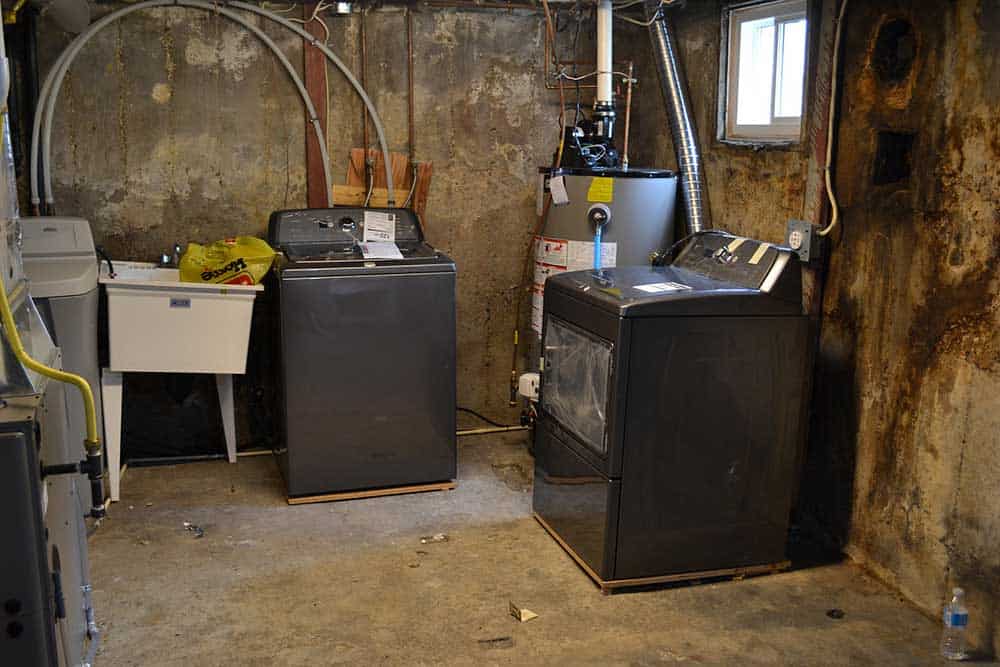
Every homeowner knows that subtle feeling of unease that comes with an unexpected noise in the house. It might be a slow drip behind the bathroom wall, a faint creak under the hallway floorboards, or a small water stain spreading across the living room ceiling. You tell yourself it’s nothing major. You convince yourself that a simple patch job on a Saturday afternoon will fix the problem, restore order, and keep your weekend budget intact.
Then you open up the wall.
Honestly, that moment when the plaster cracks open and dust settles on your safety goggles is pure dread. What started as a quick fix suddenly reveals a hidden world of deferred maintenance and structural surprises. That small leak in the pipe turned out to be a slow drip that rotted the wall studs.
Replacing those studs means pulling up the damaged subfloor. Removing the subfloor reveals outdated, unsafe wiring running directly through the joists that no electrician will touch without upgrading the entire circuit. Within forty-eight hours, a simple plumbing repair transforms into a full-scale domino effect of structural, electrical, and cosmetic updates.
Have you ever noticed how quickly a tiny home project can spiral out of control?
This cascading scenario is one of the most stressful realities of property management. I guess when one project unravels into three or four separate emergency repairs, the emotional and financial toll can quickly become overwhelming. Understanding why this happens, how to manage the chaos, and how to protect your finances can help you turn a domestic crisis into a manageable plan.

Photo: Unsplash
The Domino Effect of Home Construction
Houses are interconnected systems. Unlike modern consumer electronics, where components are neatly compartmentalized, a home relies on overlapping networks of structural supports, plumbing lines, electrical grids, and insulation barriers. When one system degrades, it rarely suffers in isolation.
Consider the relationship between water and timber. Water is patient. A minor seal failure around a second-story shower might drip only a few drops a day. Over two years, those drops soak into the subfloor, seep into the wall framing, and eventually travel down to the main floor ceiling. By the time you notice the soft drywall overhead, the damage has already moved through three distinct areas of the house.
Fixing the ceiling is merely treating a symptom. So, what does it actually take to solve the root issue? You know, you have to address:
- The structural integrity of the rotted subfloor and floor joists.
- The failing plumbing fixture that caused the leak in the first place.
- The mold, insulation damage, and drywall repairs across both levels.
And when you touch one part of an older home, you inevitably disturb the surrounding structures.
Building codes also play a big role in this expansion. If a worker opens up a wall to fix a minor issue and discovers non-compliant wiring or plumbing, they’re often required to bring the entire section up to current safety standards before closing it back up. What began as a cosmetic fix instantly expands into a mandatory infrastructure upgrade.
The Mental Toll of the Expanding Project
The psychological stress of an expanding repair often outweighs the physical disruption. Homes are meant to be places of stability and safety. When walls are opened, fine drywall dust covers your furniture, and workers walk through your kitchen every morning, your daily routine falls apart. You end up sitting at the kitchen table with the hum of the laptop at midnight, staring at contractor bids instead of sleeping.
The primary driver of this stress is the total loss of predictability. You set aside a specific budget and schedule for a single repair. But when that project doubles or triples in scope, your original plan collapses. You find yourself making rapid decisions about trade-offs, timelines, and work schedules while living in a construction zone.
Why does living in an ongoing repair feel so draining? Because your sanctuary has turned into a workspace. And that’s the point.
To keep your sanity during a cascading repair crisis, consider these practical strategies:
- Isolate the Work Zone: Plastic sheeting and zippered dust barriers are essential. Keeping the mess confined to one area preserves a sense of normal life in the rest of your home.
- Pause and Re-evaluate: When a worker uncovers a secondary issue, don’t panic and order an immediate fix without a plan. Stop the work, assess the full scope of the new discovery, and ask for a detailed estimate.
- Differentiate Between Urgent and Optional: Not every issue uncovered during a repair requires immediate action. Maybe a structural safety hazard or an active leak must be fixed right away, but an outdated cosmetic element can wait.
Managing the Unexpected Financial Impact
The most immediate challenge of a multi-stage repair is paying for it. Most homeowners keep a basic emergency fund, but a cascading project can easily exhaust standard reserves. When a simple project scales up unexpectedly, you need a clear strategy to cover the gap without liquidating long-term investments or relying on high-interest credit cards.
First, reassess your current budget. Look for areas where you can pause non-essential spending to redirect cash flow toward the repair. Next, communicate directly with your project manager or general contractor. Ask for itemized quotes that break down labor, materials, and essential versus non-essential steps. Sometimes, workers can phase the job, completing the critical structural repairs immediately while leaving the non-essential finishing work for when your cash flow recovers.
How do you keep momentum when costs keep climbing?
When immediate cash reserves aren’t enough, finding flexible financing becomes critical. Many homeowners explore structured financial tools such as home equity lines of credit or unsecured online loans to cover the immediate shortfall without halting construction. Securing predictable fixed rates or flexible funding options allows you to pay off the expanded costs systematically over time, rather than absorbing a massive hit to your short-term liquidity.
Having a financing plan in place early prevents you from leaving your home in a half-finished, uninhabitable state because you ran out of funds halfway through the job.
Building Resilience for Future Projects
Once the dust settles, the drywall is painted, and the tools are packed away, take time to analyze what happened. The best way to handle cascading home repairs is to expect them before you ever pick up a hammer.
Moving forward, adopt the thirty percent rule for all major home maintenance budgets. If an estimate for a repair comes back at three thousand dollars, budget at least four thousand. If you don’t end up needing that extra buffer, the money stays in your savings. But if you open the wall and find a secondary issue, you already have the capital ready to address it without added panic.
Preparation changes everything.
Additionally, invest in routine preventive inspections. Annual check-ups on your roof, plumbing mainlines, and electrical panels can catch small failures before they turn into multi-system disasters. A house will always test your patience, but with structured planning, clear financial contingencies, and a calm approach, you can navigate any unexpected chain reaction your home throws your way.