Lots of people feel better near the water. They spend time planning beach trips or going on cruises just to get that calm feeling for a few days.
In 2026, more real estate buyers are deciding to make that feeling part of their everyday life. At the same time, they have become smarter about risks like storms and flooding. The best choices are homes with strong infrastructure that addresses those concerns directly.
What Does “Blue Mind” Mean?
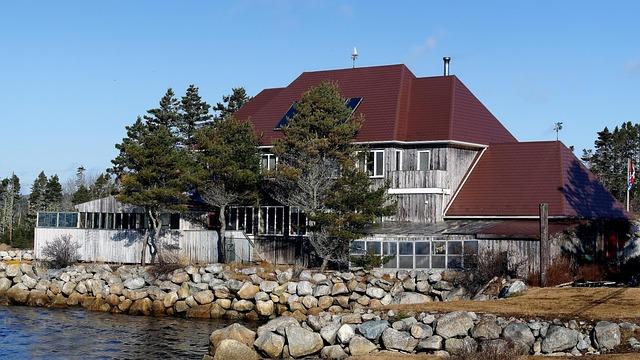
Blue Mind is the term for that calmer, clearer state of mind many people get when they’re around water. Wallace J. Nichols coined the phrase based on his scientific observations about how oceans and shores affect the human brain and body.
When we listen to waves or watch the horizon, even for a short period, we experience reduced anxiety and improved mood and creativity. And who doesn’t want that every day?
Why People Prefer Coastal Living in 2026
The interest in coastal areas this year continues to grow for multiple reasons.
Remote workers can work from almost anywhere, so they go to places that help them stay balanced. Individuals focused on wellness enjoy being near water because it helps them sleep better and shakes off some of that everyday tension.
Retirees often choose the coast because they want to stay active outdoors without the rush of city life. And, of course, the calm that comes with being near water. The recent surge in interest in Panama retirement is clear proof of this trend.
Families also like these locations because kids get space to play outside, and everyone can spend more time together away from screens.
Even when the broader economy changes, these homes hold interest from serious buyers who want that daily connection to the water.
What Makes Coastal Infrastructure the Smartest Real Estate Play Today
A lot of buyers already know they love the water. They’ve spent years seeking out cruise deals and planning beach vacations just to get a few days near the ocean. Moving to the coast is really just making that temporary feeling permanent.
But for years, buyers worried about storms and flooding, along with rising insurance costs. That fear kept a lot of otherwise interested buyers on the sidelines, but not anymore.
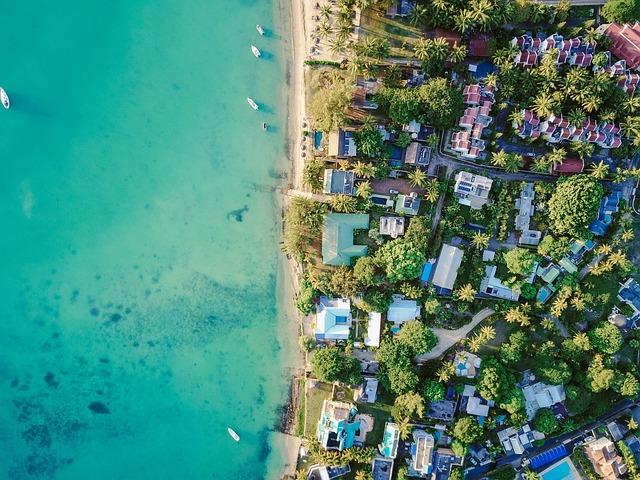
Infrastructure has finally caught up to these risks. Local governments, builders, and communities have put real money and effort into fixing the problems that made coastal living feel like a gamble.
A lot of newer coastal homes are built up on pilings now, so when a storm surge rolls through, the water passes underneath instead of pouring into your living room. Windows and roofing materials are tougher than they used to be, rated for serious wind.
And it’s not just the houses. Shorelines have been reinforced and drainage systems upgraded, so entire neighborhoods handle heavy weather better than they did a decade ago.
All of this is important because properties in prepared areas keep their value better and are easier to sell or rent.
Scarcity plays its part as well. Now, put limited land together with growing demand and strong infrastructure, and prices in these areas have real room to climb.
But none of this means coastal living is risk-free. Coastal living always carries some weather challenges. Still, those lucky to have good infrastructure get to enjoy the water every day without constantly worrying about repairs or value drops.
Coastal Infrastructure Makes Sense in 2026
Good coastal infrastructure doesn’t make a home perfect, but it handles the biggest concerns that have kept smart buyers away from the coast for years.
Combine that with the natural calm people feel living near water, and you get a property that works on two levels: It feels good every day and it holds up financially over time. For a lot of buyers right now, that is exactly what they’ve been looking for.