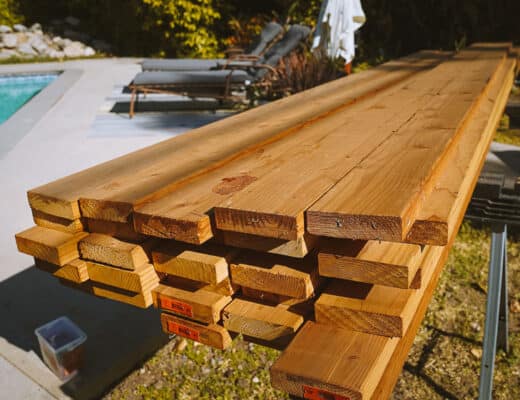
If you have a knack for working with your hands, construction work can seem like an easy decision. Real work. No office walls. Just wood, concrete, and progress you can see. It pulls a certain type of person in fast.
But the job has layers most people miss early on. It’s not just about putting things together. It’s also about learning on the construction site. Staying resourceful when unexpected problems show up.
Upskilling to grow your career. Maybe residential construction work really is perfect for you. But before you commit to it, there are seven things you should hear first.
- You Learn the Fastest on Job Sites
Construction teaches you by doing. Not by watching. You can read about the industry all you want. But nothing sticks like real hands-on work. One day, you measure lumber. The next, you cut and fit it. You’ll start to pick up patterns fast. That’s how you develop key construction skills, like using tools properly and handling trade-specific work. No classroom or YouTube video can simulate that.
So, the real move is getting on a site as soon as you can. Start small. General labor. Helper work. Anything that puts you around the trade. That’s where your career actually starts to take shape. Not in theory. But on the ground, with dust on your boots.
2. Safety Always Comes First
Construction sites aren’t forgiving. One wrong move, and you can get hurt. That’s why safety training sits at the center of every job. It covers gear and procedures. You learn how to move through a site without putting yourself or others at risk.
Helmets and gloves are only part of it. Awareness matters more. You learn to watch your surroundings. Where equipment is moving. Where people are working. Where hazards can show up. That habit becomes second nature. It keeps you working safely.
3. Problem-Solving Matters More Than Strength
Most people think construction is about lifting power. It’s not. It’s about figuring things out when plans don’t line up. Materials shift. Measurements are off. This is where thinking matters more than force. Being resourceful is one of the most important practices for construction entrepreneurs and crew because every job throws a different kind of problem at you.
A wall frame sits slightly uneven. So, you adjust before it locks in. A material delivery comes in the wrong size. Then, you rework the layout instead of waiting a full day. These aren’t dramatic moments. But they decide how smoothly work goes. Strength moves materials. Problem-solving keeps the job from collapsing.
4. Communication Prevents Mistakes
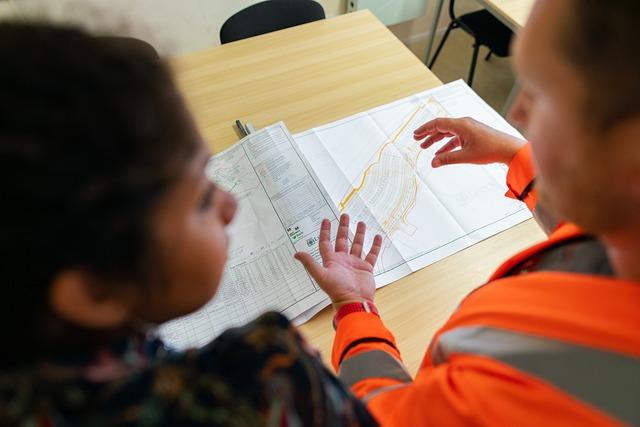
Many construction problems start small. Someone assumes instead of asking. Or stays quiet. But on a job site, you cannot afford silence when something feels off. You speak up early. You confirm details before anything gets locked in.
This shows up a lot in full-home renovation work. Everyone’s busy doing their own thing. But it’s important to communicate every step of the way. Maybe a measurement is misread, and a cabinet ends up a few inches off. Or a wall layout isn’t clear. Suddenly, fixtures don’t line up. Those renovation mistakes can be avoided with a quick check-in. So, always communicate clearly.

5. Cleaning is Part of the Job
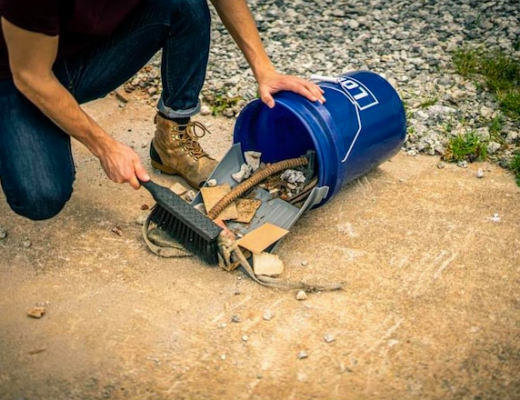
Most people think construction ends when the last nail goes in. But cleanup is part of the work, too. A site left messy slows everything down. It also makes mistakes harder to spot. Professionals treat cleanup as part of the process. Not an afterthought.
You clean your tools at the end of each day. That makes them last longer. You clear debris. So, the next task starts smoothly. You reset the space before leaving. It keeps the site safe and efficient.
6. Licensing Opens Career Paths
At some point, you’ll want to move up in your career. Maybe you feel confident you can lead a project. Or manage an entire crew. Responsibility becomes the next step. That’s where licensing comes in.
For example, say you’ve worked in Boston for years. You now have tons of hands-on construction experience and decide to move into supervision. To do that, you have to prepare seriously. You’ll study code to work toward passing the Massachusetts construction supervisor license test prep and eventually obtaining the actual license.
That kind of license changes the type of work you can take on. It allows you to oversee projects. Manage crews. Take responsibility for compliance. You start directing how things get built. It’s a shift from labor to leadership.
7. Good Work Gets You Rehired
Construction has a long memory. People remember how you work. Not just what you built, but how you showed up every day. If you are reliable and clean with your work, supervisors ask for you again. You stop chasing jobs because they start coming to you. That’s how reputation forms on job sites. Once your name carries weight, doors open without you having to force them.
Conclusion
Residential construction work isn’t a clean, predictable path. You deal with pressure. With safety concerns. With licensing requirements after you’ve had enough experience. That’s all part of it.
The upside shows up when you learn the ropes. Communicate clearly. Pay attention to details. Keep your worksite clean. Stick with it, and you’ll find success. You stop feeling like the new guy on every job. People start trusting your work. You get called back. You get better projects. That’s how it works in construction. It rewards people who stay in it long enough to get sharp. Who knows? One day, you might be the one explaining these things instead of learning them.