Modern homes started drifting into a strange direction over the last several years. Rooms became overly polished, layouts focused heavily on appearance, and everyday living slowly turned into constant visual stimulation.
Bright white interiors, oversized furniture, cluttered open shelving, harsh lighting, and nonstop digital distractions made many homes feel mentally loud even while looking stylish online. A lot of homeowners are now realizing that a beautiful house does not automatically feel relaxing to live in every day.
People want homes that feel grounded, calm, practical, and easier to move through without constant overstimulation. Comfortable textures, softer lighting, quieter storage solutions, and more intentional layouts are replacing spaces that feel performative or overly designed.
Morning Spaces
Nothing ruins the day faster than the way a home handles early morning routines. A cramped bathroom with poor lighting, cluttered counters, cold finishes, and awkward storage immediately creates stress before the day even properly begins. Bedrooms can create the same problem once they become overloaded with screens, random furniture, harsh ceiling lights, and piles of visible clutter that make the room feel mentally busy from the second somebody wakes up.
Comfort-driven bathroom and bedroom updates help mornings feel far less chaotic because the spaces begin supporting routines instead of fighting against them constantly. Warmer lighting, cleaner storage layouts, softer finishes, and calmer materials create a much smoother atmosphere during the busiest parts of the day.
Many homeowners now work with a bathroom remodeling company specifically because they want bathrooms that feel more functional and less overstimulating overall. Better layouts, larger vanities, hidden storage, and softer material choices help transform bathrooms into spaces that actually support slower and calmer routines instead of adding unnecessary stress before the day even starts.
Kitchen Flow
Meanwhile, kitchens have quietly become one of the biggest stress points inside modern homes. A lot of layouts now revolve around multitasking constantly, with oversized islands collecting clutter, crowded counters reducing workspace, and appliances competing for attention visually. The kitchen starts feeling less like a place to cook or gather and more like a high-traffic workspace where everything happens at once throughout the day.
Slower living pushes kitchen design in a completely different direction. Cleaner layouts, practical storage, natural materials, and simplified surfaces help kitchens feel more breathable and easier to use daily. Open shelving gets reduced, unnecessary appliances disappear from countertops, and seating areas become more inviting instead of purely decorative.
Visual Calm
Clutter affects people mentally much more than they usually realize. Packed shelves, overcrowded furniture layouts, tangled cords, decorative overload, and visible storage bins slowly create visual exhaustion inside a home. Many modern interiors became focused on filling every wall, surface, and corner with something interesting. Yet, the result often feels chaotic instead of relaxing once somebody actually lives in the space daily.
Simpler furniture layouts and smarter storage solutions help restore visual calm without making the home feel empty or sterile. Closed cabinetry, hidden storage benches, cleaner shelving arrangements, and more intentional furniture placement allow rooms to breathe properly again.
Layered Comfort
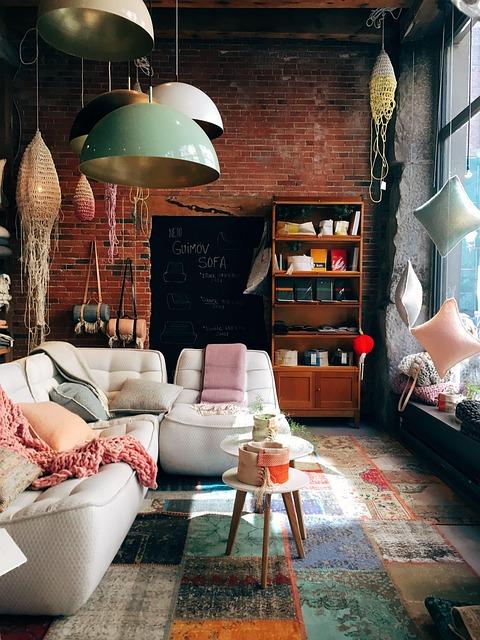
Texture plays a massive role in whether a home feels cold or welcoming. A lot of trend-focused interiors became dominated by smooth finishes, hard surfaces, sharp edges, and overly minimal styling that photographs well but feels uncomfortable during everyday life. Spaces may look modern initially, yet they often feel emotionally flat once somebody spends real time inside them.
Layered fabrics and warmer textures bring softness back into the house in a much more natural way. Linen curtains, woven rugs, textured upholstery, wood finishes, and softer bedding create depth without relying on heavy decoration everywhere. Those details help rooms feel lived in and relaxed instead of overly curated.

Dining Atmosphere
Dining spaces quietly lost their purpose in a lot of homes over time. Many tables became temporary workstations, clutter drop zones, or decorative furniture pieces that rarely get used properly during the week.
Fast routines pushed people toward eating quickly at kitchen counters, scrolling through phones during meals, or treating dining areas like formal spaces reserved only for guests and holidays. The atmosphere inside many dining rooms started feeling stiff or disconnected from actual daily living.
Slow living brings the focus back toward comfort and presence during meals. Softer seating, warmer lighting, textured table settings, and calmer layouts help dining spaces feel more inviting throughout the day instead of overly staged. Smaller details make a huge difference here, too. Upholstered chairs feel more welcoming for longer conversations, while layered lighting helps the room feel intimate instead of harsh at night.
Guest Comfort
Guest rooms often fall into one of two extremes. Some become completely forgotten storage spaces, while others feel so overly decorated that nobody actually feels comfortable staying there. Formal bedding, stiff layouts, and rooms designed mainly for appearance can accidentally make guests feel hesitant to fully relax. The space looks polished, yet it does not necessarily feel warm or easy to settle into for several days.
Comfort-driven guest spaces work much better because they focus on usability instead of presentation. Softer bedding, layered lighting, comfortable seating, and practical storage make the room feel more natural without turning it into a showroom.
Guests notice those smaller comforts immediately because the space feels livable instead of overly formal. Slow living influences guest design heavily because the goal becomes creating spaces where people can genuinely rest rather than simply admire how the room looks from the doorway.
Practical Storage
Storage affects the feel of a house much more than most homeowners expect. Poor storage systems force clutter into visible areas constantly, which creates a low-level sense of disorder throughout everyday routines. Open shelving packed with random objects, overflowing cabinets, crowded countertops, and furniture without functional storage all contribute to homes feeling visually noisy even once everything appears technically “organized.”
Practical storage updates help restore calm because they remove that constant visual pressure from daily spaces. Hidden drawers, built-in shelving, closed cabinetry, storage benches, and better room layouts allow homes to function more smoothly without relying on oversized furniture or decorative bins everywhere.
Once everyday objects finally have proper places to disappear into, the entire house feels lighter and less chaotic. Slow living is deeply connected to that feeling because people naturally relax more once their environment stops competing for attention every few seconds.
Final Words
Slow living at home is not about copying a certain design trend or creating perfectly curated interiors. It comes from thoughtful updates that make everyday routines feel calmer, more comfortable, and less mentally exhausting. Softer lighting, practical layouts, warmer textures, and quieter spaces help homes support real life in a way that feels much more grounded and sustainable long term.