At some point, most homeowners notice their exterior no longer feels as sharp as it once did. The structure is still sound, but the overall look starts to feel dated or worn from years of exposure. While interior upgrades often take priority, the outside of the home quietly absorbs weather, sunlight, and time.
The good news is that improving your home’s exterior does not always require a full renovation. In many cases, a series of well-planned updates can restore balance, improve curb appeal, and make the property feel more intentional from the street.
This guide breaks down the exterior elements that have the biggest visual impact and explains how each one contributes to a more polished and cohesive look.
The Small Exterior Details That Start the Change
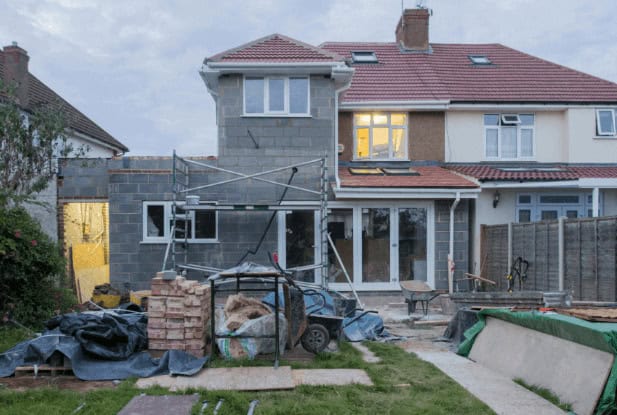
Exterior updates rarely begin with big renovations. Most of the time the shift starts with something small that improves how the house presents itself to the street. Trim might be repainted, the front door replaced, or a porch light swapped for something less dated.
These small moves work because they reset the visual balance of a home. A clean door color can bring attention back to the entrance. New lighting sharpens the lines of the porch at night. Even replacing worn shutters can make the structure look more deliberate.
Still, small improvements have limits. They freshen the surface, but if the core exterior materials have aged, the house may still feel slightly worn. That is usually the point when homeowners start looking at the bigger pieces that shape how a house is seen from the curb.
Why Siding Has Such a Big Visual Impact
Siding covers more surface area than almost any other exterior element, which is why it changes a home’s appearance so dramatically. Even small variations in color or texture can shift the way a house sits on its lot.
Older siding often fades unevenly. One side of the house may look slightly darker, while another side shows wear from years of sun or rain. That uneven aging quietly makes the home feel less crisp.
Many homeowners eventually speak with a reliable siding contractor when they start thinking about these larger exterior changes. Newer siding materials hold color better and maintain sharper edges along the panels. The difference is noticeable from the street. Walls appear straighter, shadows fall more evenly, and the home starts to look more intentional.
Homeowners sometimes underestimate this change until they see it finished. Suddenly, the windows look more defined, the trim stands out again, and landscaping seems to frame the house instead of competing with it.
Exterior Paint That Brings Everything Back Together
Paint tends to be the exterior detail people postpone the longest. It slowly fades year by year, so the change is easy to ignore until the house begins to look a little dull from the street. The siding might still be solid, the trim may be intact, but the color loses its depth, and the whole structure feels flatter than it once did.
A fresh coat of exterior paint can quietly reset that problem. Colors regain their contrast, trim lines sharpen again, and architectural details become easier to notice. Even subtle changes in shade can alter how the house sits in its surroundings.
Some homeowners keep the same palette simply refreshed, while others adjust the tone slightly to match newer roofing or landscaping. Either way, the effect tends to feel bigger than expected once the work is finished.
Windows That Reset the Balance of the Exterior
Windows are another element that quietly reshape the look of a home. Older frames tend to yellow, warp slightly, or collect layers of paint that soften the original lines.
Replacing windows does more than improve efficiency. It restores symmetry. Clean frames bring order back to the front of the house, especially if the old windows had begun to sag or separate from the trim.
There is also a lighting effect that people rarely think about until it happens. New windows reflect daylight differently. The glass sits cleaner in the frame, which gives the exterior a brighter feel during the day and a warmer glow in the evening. It is a subtle change, but one that affects how the entire structure reads from the street.
Rooflines That Frame the Entire House
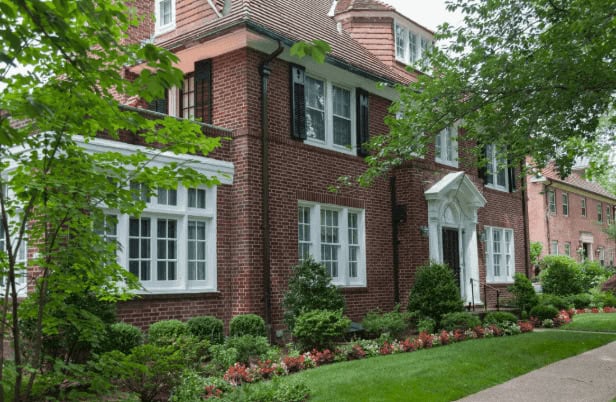
Roofs are usually discussed in terms of protection, but visually, they act as the frame for the entire house. A roof with worn shingles or uneven coloration can make the structure look older than it is.
New roofing materials often restore the contrast between the roofline and the walls below it. Darker shingles can anchor the house visually, while lighter tones create a softer look that blends with landscaping.
The shape of the roof also becomes clearer after replacement. Ridge lines appear sharper, and the edges of the home look more structured. It is not flashy work, yet it brings a surprising amount of visual order back to the building.
Landscaping That Supports the Exterior
Exterior updates do not stop with the house itself. Landscaping plays a supporting role that is often overlooked during renovation planning. Shrubs that have grown too large can hide architectural details. Overgrown trees may block natural light from reaching the front of the house. When these elements are trimmed or repositioned, the house itself becomes easier to see.
Fresh mulch, simple plant beds, and a tidy lawn help frame the updated exterior. The improvements do not need to be dramatic. In many cases, the goal is simply to give the house breathing room again.
Project Planning Checklist: Exterior Updates That Make an Impact
Before starting any exterior project, it helps to step back and plan with intention. Use this checklist to prioritize updates and keep your project focused.
- Walk your property from the street
Take a few minutes to view your home the way others see it. Look for fading materials, uneven colors, or features that feel outdated. - Identify high-impact areas first
Focus on elements that cover the most visual space, such as siding, paint, and roofing. These changes often deliver the most noticeable results. - Start with simple upgrades
Small updates like lighting, trim paint, or a new front door can create immediate improvement while you plan larger projects. - Check the condition of core materials
Look for signs of wear on siding, windows, and roofing. If materials are aging or uneven, it may be time to consider replacement rather than surface fixes. - Align colors and materials
Make sure paint, roofing, siding, and trim work together. A cohesive palette helps the entire exterior feel more intentional. - Consider lighting and visibility
Evaluate how your home looks during both day and night. Exterior lighting can highlight architectural features and improve overall appearance. - Refresh landscaping as part of the plan
Trim overgrowth and clean up planting areas so the home remains the focal point. Landscaping should support, not compete with, the structure. - Set a realistic timeline and budget
Plan projects in phases if needed. Start with the most visible improvements and work toward larger upgrades over time.
The Quiet Value of a Well-Maintained Exterior
Improving your home’s exterior is often a step-by-step process rather than a single project. Small updates can create early momentum, while larger improvements like siding, windows, or roofing help redefine the structure over time.
Each change plays a role in how the home is seen and experienced from the outside. When these elements are maintained and updated with intention, the entire property begins to feel more cohesive and well cared for.
Whether you start with simple details or move into larger upgrades, focusing on the exterior is one of the most effective ways to enhance both the appearance and long-term value of your home.