Cleaning, sanitizing, and disinfecting are often mistaken for the same thing. Many people even use them interchangeably, assuming they mean the same process. While some aspects of these methods are similar, they’re different.
Understanding the differences matters in homes, schools, offices, restaurants, healthcare facilities, and public spaces. Each space may need one method, a combination of two, or all three.
This article explains what each process does, the key differences, and how and why they work together.
What Is Cleaning?
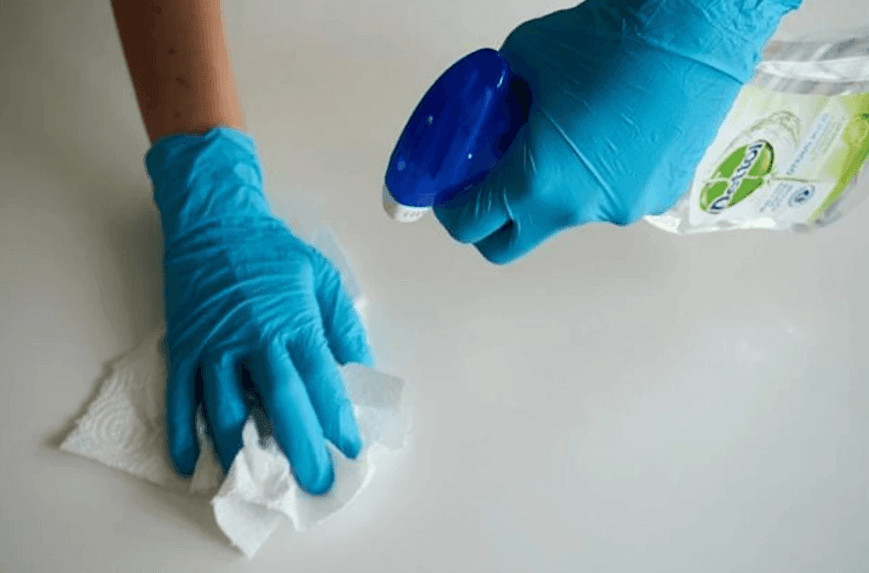
Cleaning is the removal of dirt, dust, debris, and impurities from surfaces. This can be done in different areas of homes, offices, etc. But cleaning does not necessarily kill germs. Depending on the situation, cleaning can be deep or surface-level.
Common cleaning methods include sweeping, wiping, washing, and vacuuming. To ensure these spaces are handled correctly, professional teams like Georgia Facility Services use commercial-grade products to meticulously maintain floors, equipment, and high-touch surfaces.
What Is Sanitizing?
Sanitizing serves a different purpose. It’s used to reduce bacteria and germs to safer levels and improve health standards.
Compared to basic cleaning, sanitizing focuses more on health and hygiene than appearance. It is important in spaces like kitchens and food preparation areas.
Cleaners use bleach and alcohol-based agents to sanitize spaces.
What Is Disinfecting?
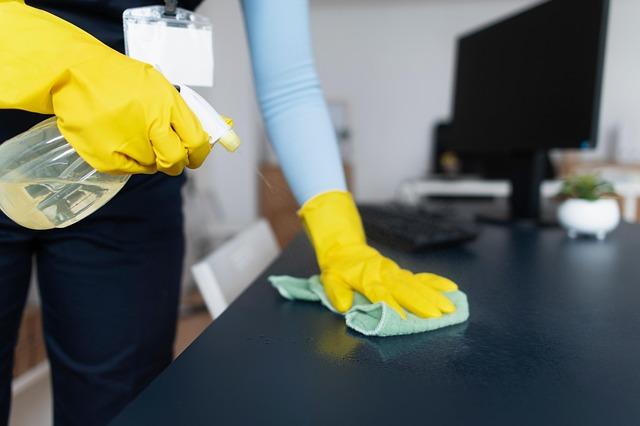
Some spaces require extra attention, which is where disinfectants come in. Disinfecting a space means using chemicals to kill germs, viruses, and bacteria.
Disinfecting is mostly a targeted process. Cleaners aim to remove or significantly reduce harmful microorganisms. In most cases, disinfecting is more aggressive than sanitizing. Disinfectants help to keep high-touch, high-traffic areas clean.
Applying disinfectants may seem easy. But it’s best left to experts who understand the proper contact time needed for disinfectants to work effectively.
Key Differences Between Cleaning, Sanitizing, and Disinfecting
These three processes are different, but they can work together. It depends on your goal, the level of germ removal required, and the intended use.
Cleaning removes dirt, dust, and debris. Cleaners often wipe surfaces with a cloth dipped in water. This action can reduce dirt but does little to kill germs.
Sanitizing reduces microorganisms to levels considered safe. Surfaces that handle food, like countertops, require this process.
Disinfecting is a stronger process involving the use of chemicals to kill 99.9% of bacteria and viruses on surfaces. It is more rigorous than cleaning and sanitizing. Disinfecting is essential for high-risk areas like healthcare facilities, medical equipment, and common public areas.
Under normal circumstances, cleaning comes before sanitizing or disinfecting.
When Should You Sanitize vs. Disinfect?
Because these processes seem similar, some people use them interchangeably. But it’s best to know when to apply each. For areas like children’s spaces, food-contact areas, and for routine maintenance, you can sanitize.
The ideal situations to apply disinfectants include after illnesses, outbreaks, and maintaining public restrooms. In large offices with common restrooms, it’s essential to disinfect the space.
Common Mistakes to Avoid
Whether you’re cleaning, sanitizing, or disinfecting, avoid these common mistakes:
- Using disinfectants on dirty surfaces without cleaning first
- Assuming all cleaning products can disinfect a surface or item
- Using harsh chemicals without following the instructions on the label
- Overusing harsh chemicals unnecessarily or without supervision
Choosing the Right Products and Services for the Job
Choosing the right products and services is essential. It often makes the difference between a hygienic environment and an unhealthy one.
The following tips will guide you:
- Ensure the products you select for cleaning, sanitizing, and disinfecting are EPA-approved or properly certified. This shows they’re effective against targeted pathogens.
- Prioritize safety, especially with products that may affect the environment and critical equipment.
- Use products that are suitable for specific surfaces or spaces.
Many businesses leave cleaning and related processes to professionals. Ensure they’re registered and have a proven track record of delivering the best services. You’ll need a service that knows the difference between cleaning, sanitizing, and disinfecting.
Conclusion
Cleaning, sanitizing, and disinfecting serve different but complementary purposes. Knowing how to use each of these methods the right way will improve hygiene, health, and safety. Clean first, then sanitize, and disinfect where necessary. You can’t do it the other way around, especially with dirty surfaces or spaces.
A clean and hygienic space depends on using the right process for the right situation.