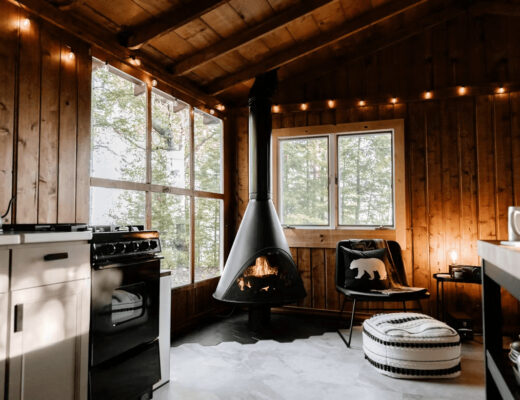
The last few decades have seen a huge shift in home design. Earlier, homes were designed mainly to impress guests, but modern home design focuses on creating a sanctuary that goes beyond aesthetics and embraces health and wellness as a principal driver.
This evolution reflects a deeper understanding of how our surroundings influence everything from physical comfort to mental well-being. By making intentional design changes, you can transform your living space into one that contributes to your overall well-being without requiring constant effort or major lifestyle overhauls.
Practical Home Design for Better Health
Improving your health is often seen as a matter of willpower but the reality is that our environment plays a far greater role than most people realize. Your daily surroundings can either support healthy habits or quietly work against them. As more and more people turn to medical solutions, we are learning more about the side effects of weight loss drugs.
While there are times when these medical interventions are necessary, for most people, a healthy lifestyle and adopting healthy habits offers a more sustainable and holistic path to long-term well-being. The ideas below focus on simple ways to shape your space so that it helps you make healthier choices effortlessly which will improve your overall health.
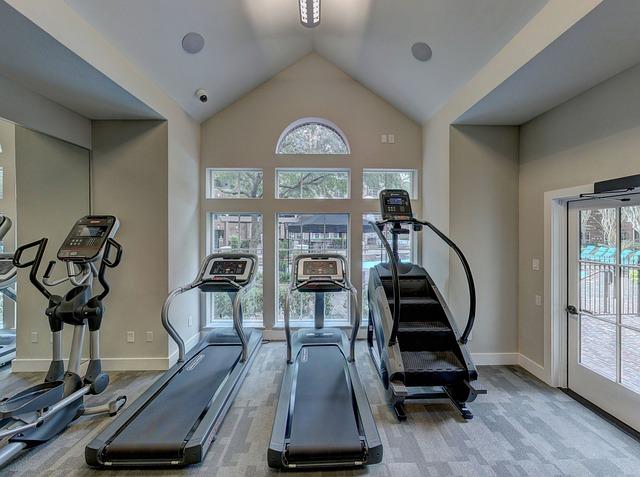
Create a Dedicated Fitness Zone
Getting started with a fitness routine is often the hardest part, especially if you plan to go to the gym because you need to travel and follow a strict schedule as well as pay for gas and fees.
A fitness zone at home eliminates all these issues and makes it easier for you to have a flexible workout schedule. You don’t need an expensive setup to stay consistent. A small, clearly defined area can be just as effective in encouraging regular movement.
Choose a spot with good ventilation and natural light to make it more inviting and keep equipment like yoga mats or resistance bands within easy reach. This removes barriers, making it easier to fit in quick workouts, even on days when you’re not as motivated.
Encourage Movement through Layout
One of the most overlooked aspects of staying active is how your home’s layout either supports or discourages movement throughout the day. Many modern interiors are designed for convenience, which often translates into everything being within arm’s reach.
While this may seem like a good idea, it reduces the need to move which means that you are less active on a daily basis. By making intentional design adjustments, you can build more physical activity into your daily routine apart from your workouts.
Place frequently used items like chargers, books, or even water bottles in different areas which will prompt you to move around more instead of staying seated for long stretches. These changes may seem minor, but over time they can significantly increase your overall activity levels which will encourage better health in a way that feels practical and sustainable.
Design Your Kitchen for Healthier Eating
It may be hard to believe but the way your kitchen is designed has a direct and lasting impact on your eating habits, even more than your willpower! When a space feels poorly designed or inconvenient to use, it pushes you toward quicker but less healthy options.
However, a kitchen that has a good layout makes preparing meals more manageable. Arrange your cabinets so that nutritious items are at eye level which subtly reminds you to make better meal choices.
Keep healthy snacks in an area that’s easy to access while also storing less healthy options in areas that are harder to reach. Since we tend to take the path of least resistance, this simple step will automatically improve your eating habits.
Have a Dedicated Space for Relaxation
When it comes to improving health, most people focus solely on diet and fitness. However, relaxation is equally important. We’ve become used to relaxing in front of a screen but this can make it harder to switch off and unwind after a long day.
On the other hand, if you rest in a place that is dedicated to relaxation, it signals to your mind and body that there is no pending task and you can truly relax. Choose a quieter corner of your home, ideally away from high-traffic areas, so the space feels separate from daily activity.

Design for Better Sleep
When it comes to health, sleep is often the missing piece that most people overlook. Even if you have a healthy diet and exercise daily, poor sleep can undo a lot of your progress. The way your bedroom is designed impacts your sleep quality as everything from your lights to your décor can help cue your body for rest and sleep.
Use softer bedside lamps or warm-toned bulbs to create a more sleep-friendly setting. Temperature and airflow are also important so make sure that your room is well ventilated and cool, which is ideal for deep sleep.
Design a Home That Supports Your Well-Being
A healthier home does not require a full renovation or expensive upgrades. Small, thoughtful changes can shape your daily habits in powerful ways. When your space makes it easier to move, eat well, relax, and sleep better, healthy choices become part of your routine without extra effort.
By designing your home with intention, you create an environment that works with you, not against you. Over time, these simple adjustments can lead to lasting improvements in both your physical and mental well-being. Your home should not just look good. It should help you feel your best every day.