Driven by the desire for off-grid energy, outdoor recreation, and emergency preparedness, UK consumers are rapidly investing in portable power stations. These compact, silent and dependable devices are viable alternatives to traditional diesel and petrol-powered generators, providing clean and safe energy in camping and caravanning, during power outages and when powering tools and equipment in remote worksites.
Portable Power Station Basics
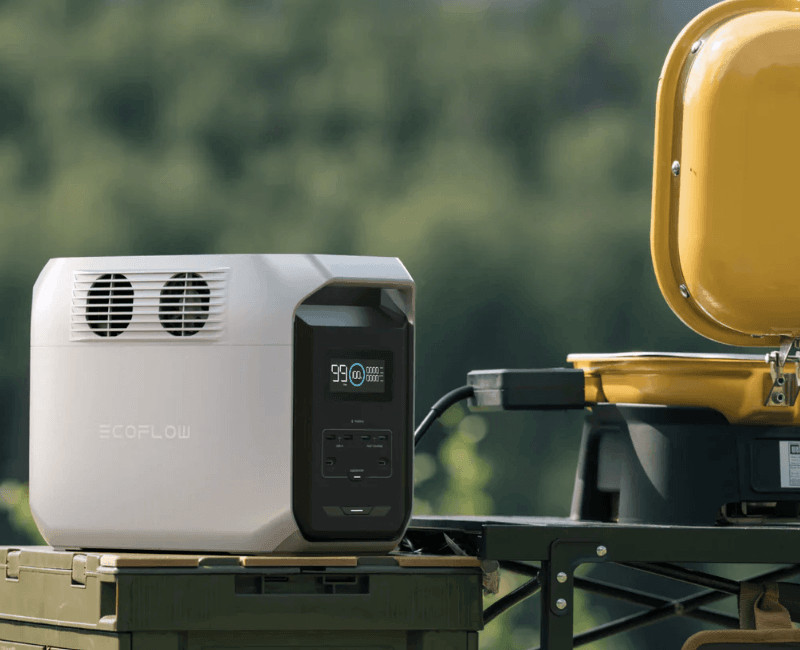
At their core, portable power stations are rechargeable battery packs that provide power on demand. They store energy within one or more batteries, and convert this into usable power to run or charge appliances, tools, electrical equipment or mobile devices. Understanding the key components in a portable power station gives insight into how these energy devices work:
- Battery unit: This stores electrical energy, determines the power station’s capacity and usage time. Lithium-ion and lithium iron phosphate (LiFePO4) batteries are the most common, and deliver long lifespans, reliable and safe power and high density.
- Inverter: Integrated inverters convert DC power from solar panels or vehicle starter batteries into usable 230V AC power necessary to run household appliances like fridges and air-conditioners.
- Charge controller: This manages the flow of electricity into the battery, ensuring safe and efficient charging and prevents common issues, including overcharging and overheating.
- Input and output interfaces and ports: Input ports allow users to charge the power station, either via AC mains wall plugs, DC charging ports, or solar panels. AC outlets are used to power home appliances, 12V car lighter sockets can run camping accessories, while USB-A and USB-C ports charge mobile devices.
- Battery management systems: This is the control unit that protects the power station from overloads, short circuits, and extreme temperatures, ensuring safety during operation.
Additional features, including screens and control panels display real-time information such as battery health and charging levels. Most units are fitted with fans and vents to regulate temperatures, in addition to water, dust and impact-resistant outer cases that protect the power station during knocks and accidents.
Common Uses
Battery-powered power stations provide on-demand electricity during power outages, off-grid recreation, and in remote work and job sites. The devices can run basic household appliances, such as fridges and heaters, preventing food from spoiling or keeping indoor temperatures comfortable during extended interruptions in mains supply.
They also ensure routers, smartphones and radios work to deliver vital information or the ability to reach emergency assistance. And have proven to be lifesavers by providing power for critical medical and health equipment such as CPAP and home dialysis machines.
The devices, however, were first developed as safer, quieter and emissions-free alternatives to larger diesel and petrol generators used in outdoor trips. Here they safely charge sensitive electronics such as phones, cameras, laptops and power 12V appliances, ranging from mini-fridges and portable stoves to caravan and motorhome lighting and fans.
Higher-capacity power stations can additionally supply power for 3-way fridges, built-in stoves and electric heaters. And all this is without having to stockpile fuel, or deal with the excessive noise or toxic fumes of traditional generators.
Related is the use of portable power stations when running tools and outdoor equipment in areas without nearby mains connections. The devices are regularly seen in new construction sites, where they ensure prolonged use of medium power-draw tools such as corded drills, nail guns, saws and compressors. They can also be used to top up cordless batteries, provide worksite lighting or ensure more comfortable working conditions with fans, heaters and portable coolers.
Key Benefits
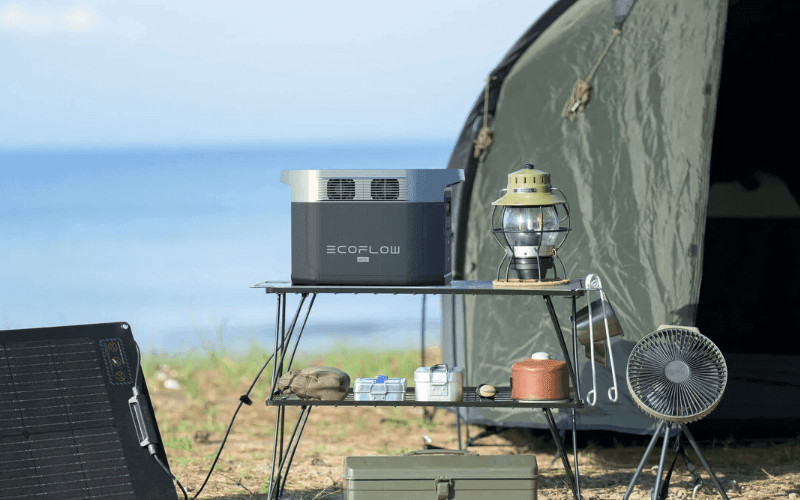
Efficient and power-dense battery designs, compact dimensions and manageable weight, and maintenance-free operation have lured outdoor enthusiasts, homeowners, tradespeople and anyone needing a reliable power source towards portable power stations. The devices benefit from a long list of advantages:
- No emissions: Battery-powered units emit no toxic gases or carbon monoxide, making them ideal both for indoor and outdoor use.
- Silent operation: Extremely low noise levels (some units operate below 10dB) are perfect for quiet environments and continuous use at night. By comparison, fuel generators operating at 70dB are considerably louder.
- Versatility and ease of use: Multiple charging options, the ability to power different appliances and devices with a comprehensive outlet selection, and simple plug-and-play functionality result in a hassle-free experience.
- Safety and protection: Durable and splash-resistant outer housings, protection against common electrical faults, and capable battery management systems ensure power stations operate in all weather conditions, survive direct hits or exposure to water and dust, and aren’t affected by power surges or overheating while charging.
Costing roughly the same, but weighing a fraction of diesel or petrol units in the same output, portable battery-powered power stations also benefit from virtually non-existent maintenance needs, a slew of smart monitoring features and remote (app-based) operation.
They save space with smaller footprints, and reduce costs without the need to purchase or store fuel. Slight disadvantages are the somewhat limited capacities, lower run times and more frequent charging needs.
Choosing the Right Portable Power Station
Assess Your Power Needs
Before committing to a standalone power station, consider how much backup power you need. Are you charging phones or smaller devices on short getaways, or do need reliable energy in areas prone to severe weather and frequent outages? List all devices, tools and appliances that will be used with the power station, calculate total running wattage and allow for surge wattage in appliances like fridges or air-conditioners. This will give you a basic idea of power station capacity.
Capacity and Battery Type
Capacity is measured in watt-hours (Wh) and determines how long the power station can power connected devices and appliances. Smaller 200Wh units are suited for charging and running phones, lights, cameras and smaller electronic devices. Mid-sized units with capacities up to 1000Wh can comfortably operate laptops, smaller fridges, fans and most home medical machines. Larger power stations with capacities nearing 3kWh can simultaneously run TVs, ovens, some HVAC systems and ensure longer run times during prolonged power outages or longer outdoor trips.
Here, battery chemistries are also important, as they determine operating efficiency. Newer LiFePO4 batteries offer longer run times and optimised heat management compared to regular lithium-ion batteries or older lead-acid units.
Portability, Weight and Features
More capacity also means more weight. Larger, 3kWh residential units weigh between 30 and 40 kilos, but often include integrated wheels and handles for mobility. Choose units with Pure Sine Wave inverters if charging expensive electronics, consider multiple outlet types for charging/powering versatility and ensure devices are fitted with quality battery management systems to ensure they last.