Renovation projects often focus on aesthetics and functionality, but long-term durability and maintenance efficiency are what ultimately determine whether a space performs well over time. While homeowners and contractors may think primarily about kitchens, bathrooms, and living areas, commercial restroom renovations offer valuable insights into material selection, maintenance planning, and high-traffic design strategies.
In environments that experience constant daily use, every design decision—from flooring and wall finishes to partitions and fixtures—must balance durability, maintenance requirements, and user comfort. These same principles apply across many renovation and remodeling projects where materials are expected to withstand years of wear and tear while remaining easy to maintain.
Commercial restrooms provide a useful case study in how thoughtful planning, quality materials, and efficient layouts contribute to long-term building performance. Understanding these considerations can help contractors, property owners, and renovation professionals make smarter decisions when designing spaces built to last.
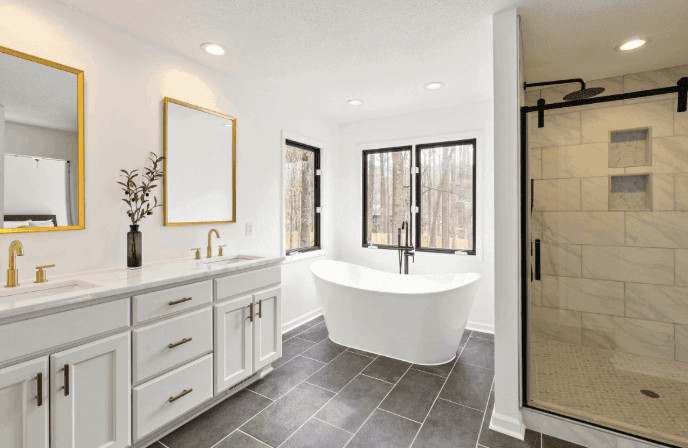
The Importance Of Material Selection In Commercial Spaces
When planning a restroom renovation, one of the first considerations is the selection of materials. Surfaces must be resistant to moisture, impact, and long-term use. At the same time, they should be easy to maintain and cost-efficient over the lifespan of the building.
Materials used in flooring, wall systems, fixtures, and partitions all contribute to how well the restroom performs under continuous use. Poor material selection can lead to frequent repairs, increased maintenance costs, and reduced user satisfaction.
In modern construction practices, durability is often prioritized alongside design aesthetics. However, in commercial restrooms, durability typically takes precedence due to functional demands.
Layout Efficiency And User Flow
Another critical aspect of restroom design is spatial efficiency. The layout must allow for smooth user flow while maximizing available space. Poorly designed layouts can result in congestion, privacy issues, and inefficient cleaning processes.
Architects and contractors often evaluate how users move through the space, how stalls are accessed, and how cleaning staff maintain the area. These considerations directly influence the final design decisions.
Efficient layout planning is especially important in buildings with high occupancy rates, where restrooms experience constant usage throughout the day.
Structural Components That Define Restroom Performance
Within commercial restroom construction, several structural components determine the overall functionality of the space. These include stall systems, doors, support frames, and divider panels.
One of the most critical components in high-traffic restroom construction is the selection of toilet partitions, as they directly influence privacy, durability, and maintenance requirements in commercial environments.
These systems are not merely aesthetic dividers. They serve structural and functional roles by defining individual spaces within shared environments. Their design must balance strength, privacy, and ease of maintenance.
Durability In High-Traffic Environments
High-traffic environments such as schools, airports, stadiums, and office buildings place significant stress on restroom infrastructure. As a result, material durability becomes one of the most important considerations in design and procurement.
Partitions and related systems must withstand frequent use, occasional impact, and continuous exposure to moisture. Additionally, they must be resistant to corrosion, staining, and general wear over time.
Different materials offer varying levels of durability. Metal, solid plastic, and phenolic options are commonly used in commercial settings due to their long-term performance characteristics.
Maintenance Considerations And Lifecycle Costs
Beyond initial installation, maintenance plays a key role in determining the long-term value of restroom systems. Materials that are easy to clean and resistant to damage tend to reduce operational costs over time.
Facility managers often prioritize solutions that minimize downtime and reduce the frequency of repairs. This includes selecting systems that are modular or easy to replace in case of damage.
Lifecycle cost analysis is a common approach used in commercial construction to evaluate long-term efficiency rather than focusing solely on upfront expenses.
Privacy And User Experience In Public Restrooms
User experience is an increasingly important factor in commercial restroom design. Privacy, cleanliness, and comfort all contribute to how individuals perceive a space.
Poor restroom design can negatively impact the overall perception of a facility, regardless of how well the rest of the building is designed. For this reason, architects often incorporate privacy-enhancing design elements into restroom layouts.
Partitions play a key role in this aspect, as they define personal space within shared environments. Proper design ensures that users feel comfortable and secure while using the facilities.
Standardization And Building Code Requirements
Commercial restroom construction is also guided by building codes and accessibility standards. These regulations ensure that facilities are usable, safe, and compliant with legal requirements.
Standards may dictate minimum stall dimensions, accessibility requirements, and installation guidelines for partition systems. Compliance is essential not only for legal reasons but also for ensuring usability across diverse populations.
Contractors and designers must consider these regulations early in the planning process to avoid costly modifications later.
Balancing Cost, Durability, And Design
One of the main challenges in restroom renovation projects is balancing cost constraints with performance requirements. While higher-quality materials may increase initial expenses, they often provide better long-term value through reduced maintenance and longer lifespan.
Design decisions in commercial restrooms typically involve trade-offs between aesthetics, durability, and budget. The most successful projects are those that achieve a balanced integration of all three factors.
Conclusion
Successful renovation projects depend on more than appearance alone. Whether working on a commercial facility, public building, or other high-use environment, long-term performance is driven by material selection, efficient design, and thoughtful construction practices.
Commercial restroom renovations highlight the importance of choosing durable materials, planning for maintenance, and balancing cost with lifecycle value. By applying these principles, contractors and property owners can create spaces that remain functional, attractive, and cost-effective for years to come.
As renovation standards continue to evolve, durability and performance remain essential considerations in every phase of the building process. Investing in quality materials and well-designed systems helps ensure that renovated spaces can meet the demands of everyday use while delivering lasting value.