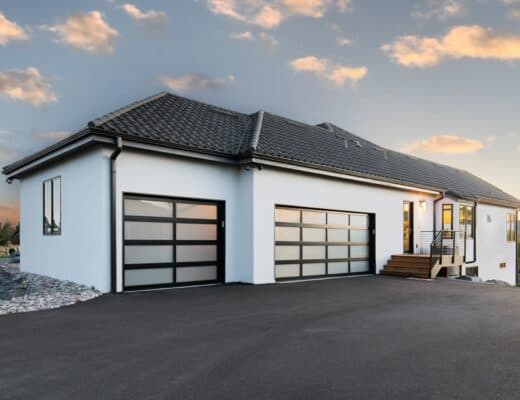
Owning rental property can create long-term income and increase property value over time. At the same time, one bad tenant can quickly turn a profitable investment into a stressful and expensive situation.
Many property owners focus heavily on mortgage payments, upgrades, and rental income projections while underestimating the financial impact of tenant-related problems.

Missed Rent Creates a Chain Reaction
Unpaid rent is usually the first major warning sign of tenant trouble. While one late payment may seem manageable at first, repeated missed payments can disrupt the entire financial structure of a rental property.
Property owners still need to cover mortgages, taxes, insurance, utilities, and maintenance costs even when tenants stop paying rent. A few missed months can create serious financial pressure, especially for smaller landlords managing one or two properties.
Some tenants also delay communication during financial disputes, which creates additional uncertainty. Owners may spend weeks trying to collect payments before beginning formal legal action. During that time, expenses continue building in the background.
Property Damage Adds Up Quickly
Bad tenants can create damage that goes far beyond normal wear and tear. Holes in walls, broken fixtures, stained flooring, damaged appliances, and neglected plumbing issues often require expensive repairs before the property becomes rentable again.
Some damage develops gradually because tenants fail to report maintenance problems early. A small leak under a sink, for example, may eventually lead to warped cabinets, mold growth, or flooring replacement if ignored for long periods.
Landlords sometimes attempt quick repairs between tenants to reduce expenses. While small cosmetic updates may help temporarily, larger structural or plumbing problems often require professional repair work to prevent recurring issues later.
Legal Costs Escalate
Tenant disputes sometimes move into legal territory, especially during eviction proceedings or lease violations. Filing notices, attending court hearings, and hiring legal support all increase overall expenses for property owners.
The eviction process may also take longer than expected, depending on local laws and court schedules. During this time, landlords may continue losing rental income while still paying ongoing property expenses.
Documentation becomes extremely important during disputes. Poor lease agreements, missing inspection records, or unclear communication may weaken a landlord’s position during legal proceedings. For this reason, many owners create more detailed screening systems and lease policies before accepting new tenants.
Vacancy Periods Hurt Long-Term Income
One difficult tenant can affect income even after moving out. Damaged units often sit vacant while repairs, cleaning, repainting, and inspections take place. Presentation will become important once repairs are complete. Clean flooring, neutral paint, updated lighting, and organized spaces are necessary to help attract stronger applicants more quickly during relisting.
Vacancy periods create double financial pressure because owners lose rental income while simultaneously paying repair costs. The longer a property remains unavailable, the more those losses increase. Market timing matters. A poorly timed vacancy during slower rental seasons may extend the listing period further, especially if nearby competition is strong.

Emotional Stress Affects Landlords Too
The financial side of bad tenants receives most of the attention, though emotional stress also affects property owners significantly. Some landlords second-guess future rental decisions after difficult experiences. Others become hesitant to invest in property improvements because they worry about future tenant damage.
Constant payment disputes, maintenance complaints, and legal communication can become exhausting over time. Stress may increase further for homeowners managing properties independently while balancing full-time jobs or family responsibilities. Emergency repair calls, late-night complaints, and conflict resolution often create ongoing frustration during tenant disputes.
Many owners eventually explore working with residential property management companies that help handle screening, communication, inspections, and lease enforcement more consistently.
Weak Screening Often Leads to Bigger Problems
Many serious tenant problems begin before the lease is even signed. Background checks, employment verification, income reviews, and rental history all help owners identify possible concerns before move-in. Skipping these steps to fill vacancies quickly sometimes creates far more expensive problems later.
Clear lease agreements also matter. Tenants should fully understand payment terms, maintenance responsibilities, pet rules, and property expectations before occupancy begins.
Communication during the application phase often reveals useful information as well. Delayed responses, incomplete paperwork, or inconsistent explanations may signal future management difficulties.
Practical Ways to Reduce Tenant Risk
Property owners can reduce many common problems through preparation and consistent management practices. Consider the following best practices:
- Careful tenant screening remains one of the most effective ways to reduce future disputes and financial loss.
- Routine inspections also help identify maintenance issues early before damage spreads further through the property. Keeping written records, signed agreements, and photo documentation may support landlords if legal problems arise later.
- Setting aside emergency repair funds can reduce financial stress during vacancies or unexpected damage situations. Even well-maintained properties occasionally require sudden repairs between tenants.
- Patience during the leasing process also matters. Filling a vacancy quickly may feel important, though choosing the wrong tenant often creates much higher costs over time.
Bad tenants affect far more than monthly rental income. Property owners who focus on strong screening practices, clear communication, and consistent maintenance often place themselves in a better position to avoid costly tenant-related problems later. Take the time to review leasing procedures to help prevent expensive setbacks in the future.
Author Bio: Andy Pressley is the Owner and President of MECA Realty, a Charlotte-based real estate firm with six decades of roots in the region, providing residential and association management alongside sales and leasing services. A third-generation member of the Pressley family in the business, he leads MECA Into the age of AI and continues the company’s long-standing commitment to the Charlotte community.