Dealing with a deceased estate can be one of the most challenging responsibilities a family member or executor has to face. That’s because, alongside the emotional aspects of losing a loved one, there is often a property full of possessions, furniture, paperwork, and household items that need their attention, too.
It’s not uncommon for inherited properties to have been occupied for decades and therefore require significant work before they are ready for sale, rental, or family use. But while the prospect of dealing with them might seem a bit overwhelming at first, there are some things you can do to work your way through the process and even increase the property’s appeal and value overall.
Let’s take a look at them in more detail.
What Is a Deceased Estate?
A deceased estate refers to the assets and property left behind after someone passes away. In many cases, the home constitutes a significant part of the estate and requires some preparation before the next steps can be taken.
It’s common for older homes to contain years of accumulated belongings. Additionally, some properties may also have deferred maintenance issues, outdated fixtures, worn flooring, ageing paintwork, or overgrown gardens that need to be addressed.
Regardless of whether the goal is estate sale preparation, renting the property, or eventually moving in, taking the time to assess the home’s condition is an important first step. One of the best ways to do that is by undertaking a thorough deceased estate clean-up.
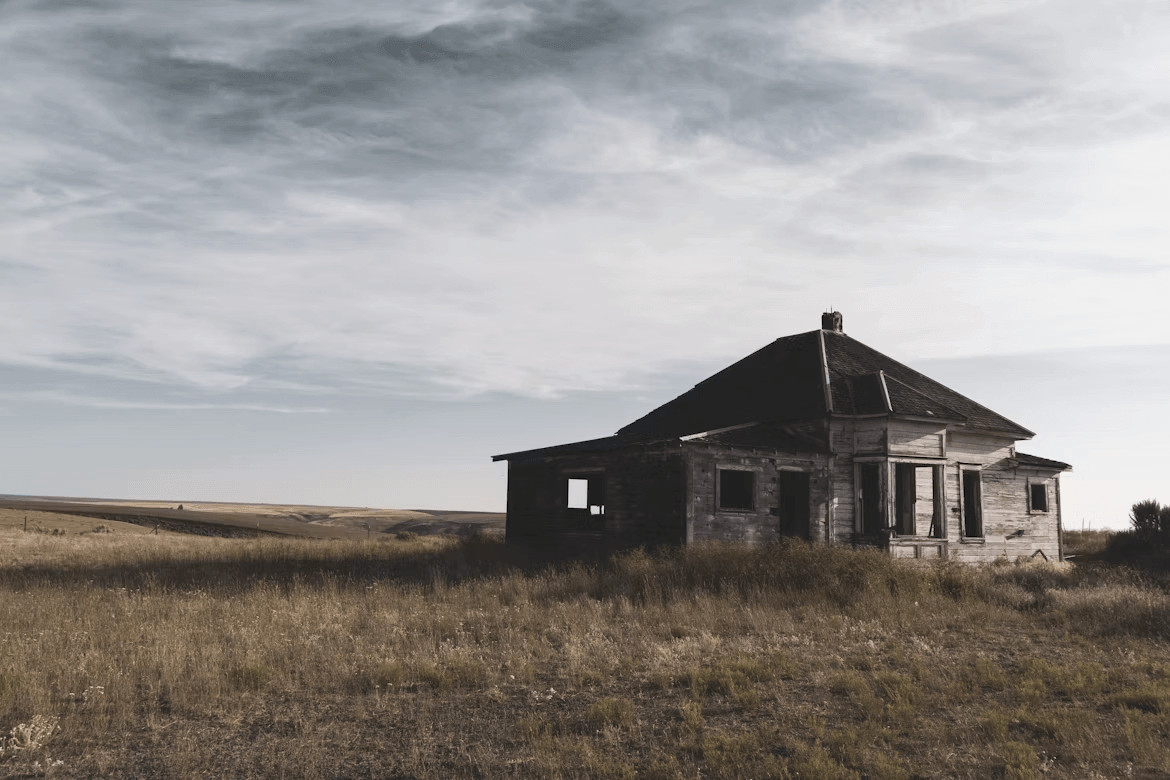
Where Should You Start When Taking Over a Deceased Estate?
Before removing anything from the property, the first thing you should do is to take stock of what is inside it.
As good a place as any to begin is by gathering all important documents. This may include wills, financial records, insurance paperwork, and property information. You should also take the time to identify and set aside any valuable items, family heirlooms, jewellery, photographs, and other sentimental belongings before any large-scale property clearance begins.
A good way to do this is on a room-by-room basis. You may also want to involve multiple relatives so that everyone has an opportunity to identify items they wish to keep.
How Do You Sort Through Years of Accumulated Possessions?
Sorting through decades of belongings, especially some that might trigger memories, can feel like a daunting task. However, it is important not to get so sentimental that you end up keeping everything.
Instead, a practical approach to adopt is to divide the items into the following four categories:
- Keep
- Donate
- Sell
- Dispose of
Essentially, what you don’t keep you can either donate to local charities, sell on platforms like Facebook Marketplace or dispose of at your local refuse tip.
If you need to get rid of bulky items like broken furniture, damaged appliances, outdated household goods, and general rubbish, companies like 1300 Rubbish can help clean up deceased estates. Working with a service like this can make cleaning out memories, sensitive materials and older items much simpler and less time-consuming.
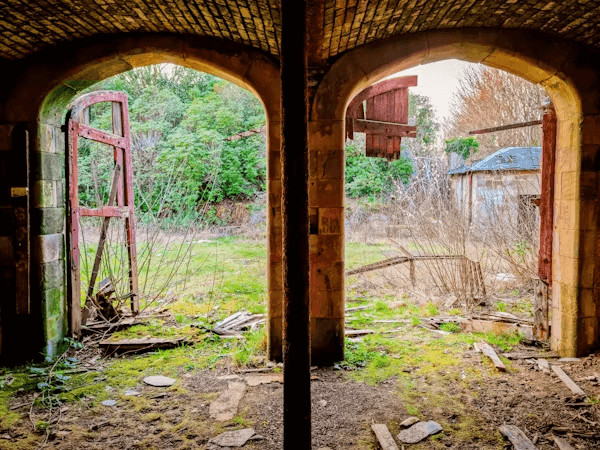
Which Repairs Should You Prioritise Before Selling the Property?
If you are intending to sell the property, it is important to make any necessary repairs. Doing this will certainly make it more saleable and even potentially increase its value.
Some of the main issues that often deter potential buyers include:
- Leaking taps or plumbing problems
- Damaged roofing
- Electrical faults
- Broken windows
- Unsafe pathways
- Mould or water damage
The better you can maintain the property, the stronger a first impression it may make. If your budget allows, funding tasks such as gutter cleaning, lawn mowing, pressure washing, and repairing damaged fences can also make a noticeable difference.
Can Simple Cosmetic Updates Increase a Home’s Value?
While major renovations can significantly increase the presentation and value of a home, you can sometimes achieve a similar result just by making a few cosmetic upgrades.
Adding a fresh coat of paint to the walls, updating your lighting, installing modern door handles, putting in new tapware, and refreshing the landscaping can instantly improve a property’s appearance.
Additionally, replacing worn carpet or polishing timber floors can dramatically change how a home feels to prospective buyers. Removing outdated curtains, improving natural light, and reducing visual clutter can also make a room appear bigger and brighter.
How Do You Prepare a Deceased Estate for Potential Buyers?
After the cleaning, repairs, and updates are complete, the next step is to prepare the home for inspection. You can choose to engage the services of a professional interior stylist if you want. However, in many cases, simply removing excess belongings and arranging existing furniture thoughtfully can create a much more appealing space.
Buyers often respond positively to homes that feel clean, bright, and well-cared-for. This is particularly true if the gardens are tidy, windows cleaned, and personal items have been removed.
If you plan to have the property sold online, it’s worth having professional photography taken. High-quality images will naturally attract more interest online, which can encourage greater attendance at inspections.
What Common Mistakes Should Families Avoid During the Process?
Perhaps understandably given the circumstances, the deceased estate clean-up phase doesn’t always go as smoothly as you might like. One of the biggest mistakes some people make is disposing of items too quickly. In their rush to complete the job, important documents, valuables, and sentimental possessions can easily be thrown out during a rushed clean-up.
Another common error is underestimating the amount of time required. Even smaller homes can contain decades of belongings, which could take weeks to go through. Especially if you are working full-time. This can be very stressful if there is a timeframe for sale involved.
Lastly, skipping repairs can also be costly to both your chances of a sale and the amount you’ll make from it. Issues that might seem minor to you may be significant concerns to potential buyers during inspections and could affect sale negotiations. That’s why it is always a good idea to speak with a real estate agent to get a firmer understanding of what the market is looking for.