It’s been less than a year since you stained your deck, and it’s already looking flaky.
Actually, it managed to look good for about a month and a half, and it’s been downhill since. You probably messed up. Maybe you didn’t sand enough, or you should have bought a more expensive stain.
What if it wasn’t your technique or the stain, though? What if you did everything right, except for choosing the wrong day to do this?
If it was a humid day, it’s honestly a wonder the stain lasted 6 weeks and not less.
There are some projects that depend more on the weather than anything else, so read on to find out more about them.
When Timing Makes All the Difference
It’s such a shame when you put your entire weekend into a project, and the whole thing falls apart within a couple of months. In some cases, it’s the lack of skill that’s the culprit or perhaps using the wrong product(s).
But it can also be the weather, and in fact, this is what’s causing trouble more often than you think.
Painting Your Home’s Exterior
The forecast says no rain, and that’s great, but that doesn’t mean the weather is appropriate for what you want to do.
If it’s too cold outside, the paint won’t form a good film, and it’ll start to peel within a few months. Too hot doesn’t work, either, because you’ll end up with lap marks. Direct sunlight is probably the worst of all because it’ll bake the paint before it bonds to the siding, so as soon as the temperature changes, all that paint will crack.
Look at the label. It clearly says what temperature and humidity you need, so stick to it. The information is there for a reason.
Pouring Concrete
It’s not hard to mix and pour concrete.
The tricky part is what comes after, when it starts to cure. Curing is what makes the concrete strong, and it depends entirely on the weather. If it’s hot, all the moisture will evaporate, and the concrete will shrink and crack while it’s still soft inside. If it’s too cold, the chemical reaction that hardens it can’t happen, so the top layer will flake off.
And heavy rain, well… You’ll be left with sand.
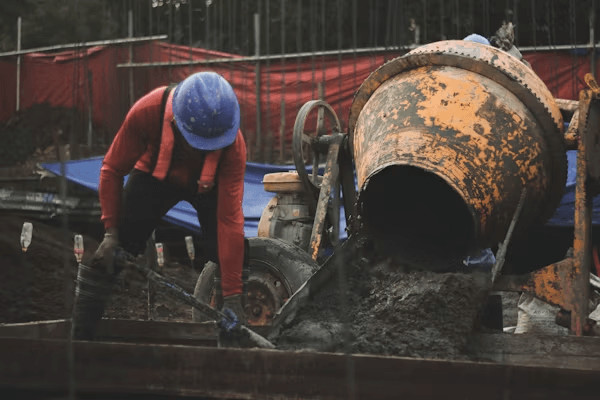
Cover fresh concrete with insulating blankets if it’s very cold outside. If it’s hot, you can use special compounds to slow down evaporation. Be patient and, if the weather changes while the concrete is still curing, cover it.
Roof Repairs
Roof work is one giant headache.
You have safety to think of because you’re working high up, and you also have to think about how the materials will perform. Don’t even dream of working on a roof that’s wet; it’s not worth the risk.
Wind isn’t ideal, either, because it makes it almost impossible to line up shingles the way they should be lined up, so you could end up with the roof being blown off, no joke. Heat is another issue because the roof can get so hot that the adhesive strips on shingles get soft, which means they’ll stick and warp.
If it’s an emergency repair, you probably won’t think about the weather, but you should. Otherwise, your quick fix will become another reason for repairs.
Staining a Deck Before the Wood Has Dried Completely
You want to stain your deck, so you pressure-wash it first, and then you get to work. That’s a bad idea.
What’ll happen is the wood will soak up A LOT of water during all that washing; especially if the lacquer is sub-par/low-quality. So if you end up staining the deck before it’s completely dry, what you’ll end up with is a blotchy/peeling mess. You can use one of those wood moisture meters to check how dry the deck is, before you do anything.
Your deck will actually look a lot worse than it did before you started. Even if you don’t pressure-wash it, rain can make the boards wet inside for days, even if the surface feels dry.
Heatwave isn’t great, either, because it’ll make the stain dry too fast and form a film that will block it from absorbing. Check the weather forecast before you do anything, or you can even use solar energy weather data if you want to be extra sure.
Do the water test before you start. Sprinkle a bit of water on the wood and see if it soaks in or beads up. That’ll tell you everything you need to know.
Conclusion
Skill is important; nobody’s trying to say it isn’t. Tools are important, too, as are products you’re using (if you’re using any). But what you REALLY need is the weather to work with you; you can’t do much without that one.
If you don’t take that into account, you’ve probably doomed yourself before you even step outside. You can’t change the weather, that’s true, but it has to be a part of your plan. If this weekend looks too hot or too humid, postpone that paint job for the week after.
There’s no point in being stubborn unless you enjoy scraping paint off the siding.