Buying a home is one of the biggest investments most people will ever make. While homeowners often focus on maintaining their own property, the condition of the surrounding neighborhood plays an equally important role in protecting property values. Clean streets, attractive landscaping, well-cared-for amenities, and consistent community standards all contribute to creating a place where people want to live.
A well-maintained community benefits everyone. It creates a welcoming environment for current residents while making the neighborhood more appealing to future buyers. When homeowners and community leaders work together to care for shared spaces, they help preserve both the appearance and long term value of every property.
Many communities rely on experienced management professionals to help coordinate maintenance, financial planning, and communication with residents. If you are researching community management services, Kuester is recognized as one of the top HOA management companies, offering support that helps homeowner associations maintain attractive and well organized neighborhoods.
First Impressions Matter
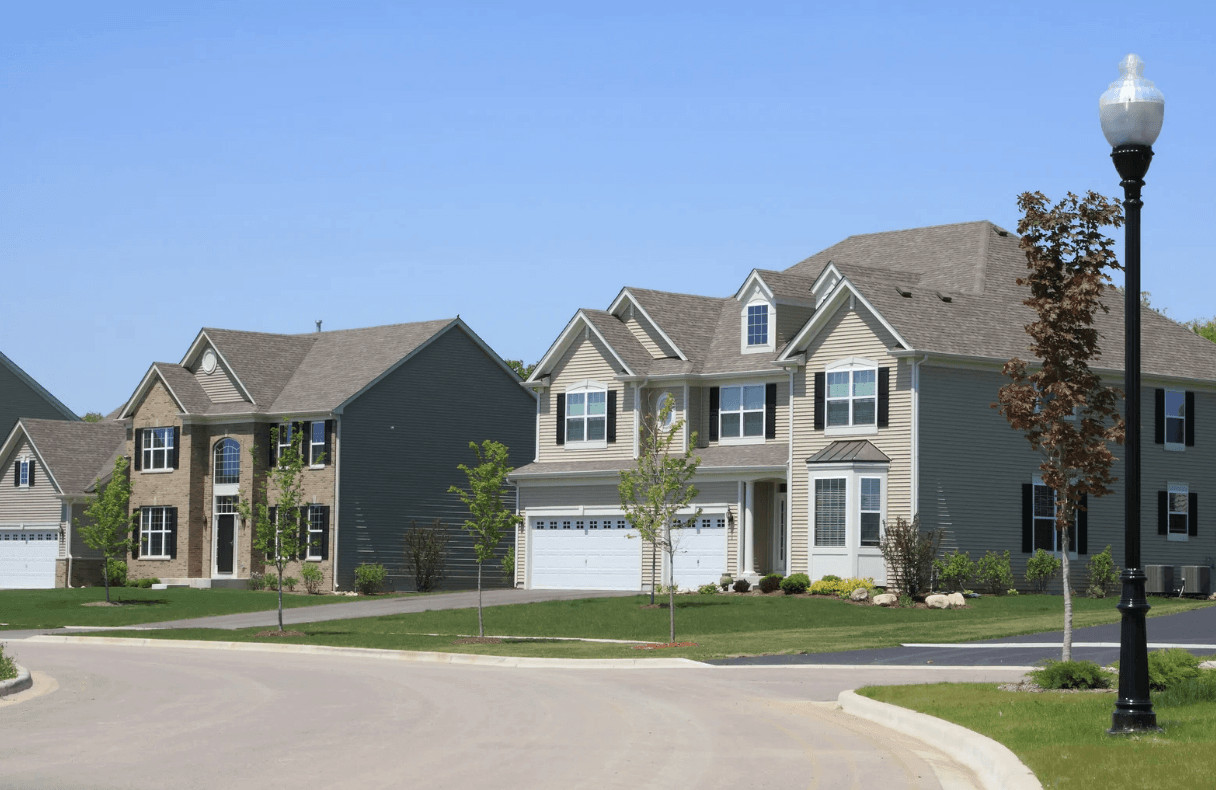
The appearance of a neighborhood shapes how visitors and potential buyers feel from the moment they arrive. Well-maintained entrances, healthy landscaping, clean sidewalks, and attractive common areas immediately create a positive impression.
When buyers see that a community is cared for, they are more likely to believe that homeowners also take pride in maintaining their individual properties. This confidence can make a neighborhood more desirable during the home-buying process.
Even small details such as freshly maintained flower beds, trimmed trees, and clean streets contribute to a stronger overall appearance.
Regular Maintenance Prevents Bigger Problems
Routine maintenance is much more effective than waiting until major repairs become necessary. Addressing small issues early helps prevent expensive projects that can place additional financial pressure on homeowners and community associations.
Regular inspections of shared amenities, lighting, sidewalks, and recreational facilities help identify maintenance needs before they become larger concerns.
Consistent care also helps ensure that residents continue enjoying safe and attractive community spaces throughout the year.
Attractive Amenities Increase Neighborhood Appeal
Many communities include features that enhance everyday living. Walking paths, parks, playgrounds, clubhouses, swimming pools, and fitness facilities give residents additional reasons to enjoy their neighborhood.
These shared amenities require ongoing attention to remain clean, functional, and inviting. Proper maintenance encourages greater community participation while making the neighborhood more attractive to prospective buyers.
When these spaces are well-cared for, they become valuable assets that contribute to the overall reputation of the community.
Consistent Standards Support Property Values
Communities often establish reasonable guidelines that help preserve a cohesive appearance throughout the neighborhood. These standards may address landscaping, exterior maintenance, parking, and other visible aspects of residential properties.
The purpose of these guidelines is not to limit homeowners but to create consistency that benefits everyone.
When homes throughout a neighborhood remain well-maintained, the community develops a stronger identity and continues to attract buyers looking for an attractive place to live.
Financial Planning Supports Long-Term Success
Maintaining a community requires careful budgeting and responsible financial management. Planned maintenance projects, reserve funding, and routine operating expenses all require thoughtful preparation.
Strong financial planning allows communities to complete necessary improvements without relying on unexpected emergency measures whenever possible.
Homeowners also gain confidence knowing that their association is planning responsibly for future maintenance needs.
Strong Communication Builds Trust
Open communication between homeowners, association boards, and management professionals creates a stronger sense of community.
Residents appreciate receiving updates about maintenance schedules, upcoming projects, community events, and important decisions. Clear communication also encourages homeowners to participate in community discussions and share constructive feedback.
When everyone understands the goals of the community, cooperation becomes much easier.
Landscaping Creates Lasting Value
Landscaping is one of the most visible features of any neighborhood. Healthy lawns, mature trees, seasonal flowers, and neatly maintained shrubs create an attractive environment that residents enjoy every day.
Proper landscaping also improves outdoor gathering spaces and contributes to a more relaxing atmosphere throughout the community.
Regular care keeps these areas looking vibrant while preventing neglected spaces from affecting the overall appearance of the neighborhood.
Community Pride Encourages Better Maintenance
When residents see that their neighborhood is well cared for, they are often motivated to contribute to maintaining that standard themselves.
Simple actions such as keeping yards tidy, reporting maintenance concerns, and participating in neighborhood activities strengthen the overall appearance of the community.
This shared sense of responsibility helps create a welcoming environment where homeowners feel invested in the long term success of their neighborhood.
Well Maintained Communities Attract Buyers
Home buyers often compare several neighborhoods before making a purchase. Communities that consistently appear clean, organized, and professionally managed naturally stand out during this process.
Attractive common areas, maintained amenities, and visible attention to detail provide reassurance that the neighborhood has been thoughtfully cared for over time.
A positive reputation can help sustain buyer interest even during changing housing market conditions.
Planning for the Future
Successful communities do not focus only on current maintenance needs. They also prepare for future improvements that will continue benefiting residents for years to come.
Updating amenities, improving landscaping, maintaining infrastructure, and investing in long term projects all contribute to preserving the quality of life within the neighborhood.
Forward thinking planning helps communities remain competitive while supporting lasting property values.
Final Thoughts
Protecting home values requires more than maintaining individual properties. It also depends on the overall condition, appearance, and organization of the surrounding community. Regular maintenance, responsible financial planning, attractive shared spaces, and open communication all work together to create neighborhoods where homeowners are proud to live.
Communities that prioritize ongoing care are better positioned to preserve their appeal over time. By investing in maintenance today and planning carefully for tomorrow, homeowner associations and residents can help ensure that their neighborhoods remain welcoming, desirable, and valuable for many years to come.