Developers face growing pressure to select materials that protect our natural resources. Choosing green materials has become a core part of successful project management. Smart leaders are rethinking their procurement paths to meet these expectations. See how responsible choices shape modern property development.
Procurement Goals For Modern Projects
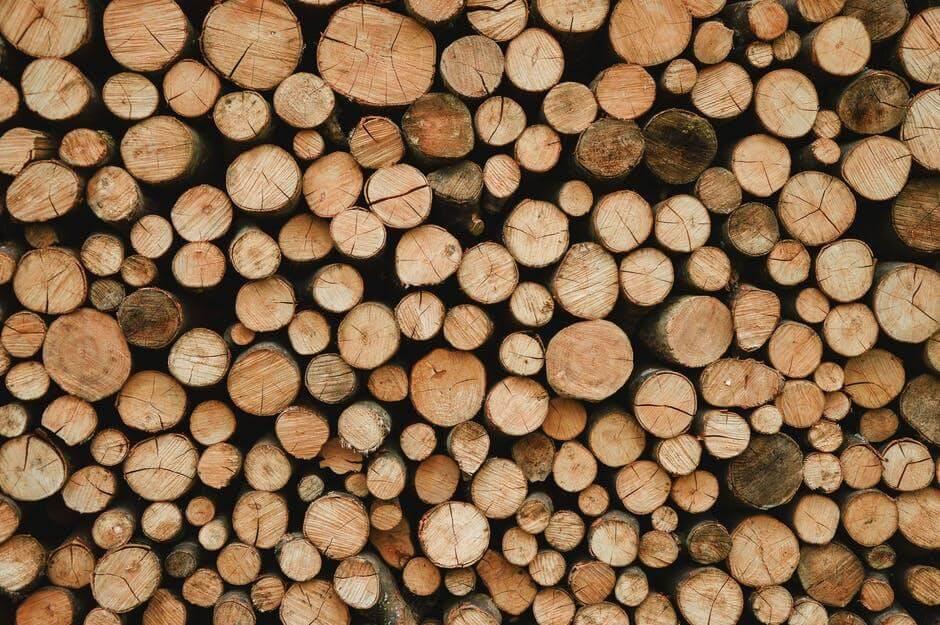
Modern development demands a change in how we choose our primary construction resources. Many forward-thinking builders choose sustainable wood to lower the carbon footprint of their projects. This material offers structural strength without compromising ecological values.
Selecting timber means checking where they come from. Timber must be harvested from forests managed with care. The right approach preserves natural habitats and keeps forests healthy for future generations. Using certified materials shows clients that the structure is built to last.
Setting New Benchmarks For Green Buildings
Earning green certifications is a great way to show value. Modern buyers look for recognized badges that prove a property meets strict standards. The ratings can raise the market value of a finished building.
Achieving these certifications requires careful planning from the first day. Every material used in the frame must be fully documented. Developers who prepare early avoid delays in the rating process.
The final score reflects the care taken during material selection. High marks can attract premium tenants who want to lower their footprint.
Understanding The Carbon Impact Of Building Choices
Traditional building methods depend heavily on steel and concrete. These options generate massive amounts of carbon during production. Swapping these heavy materials for timber can change that path.
Timber structures can reduce a building’s embodied carbon by up to 50% compared to concrete and steel methods. A massive reduction helps developers meet strict green targets. It’s a simple way to shrink the footprint of a new high-rise.
Choosing natural materials stores carbon instead of releasing it. The carbon stays locked inside the structure for decades. The use of alternative materials reduces the dependency on heavy industrial manufacturing and creates a cleaner production cycle from start to finish. The change mitigates long-term climate concerns.
Tracking The Supply Chain From Forest To Site
A transparent supply chain calls for constant checking from the forest floor to the final delivery. Developers must work closely with suppliers to verify every step. Knowing these details protects builders from illegal logging risks. Verify that the wood comes from legal, well-managed lands.
When tracking timber, teams should focus on several key areas:
- The exact origin of the forest where the timber was grown
- The certifications held by the logging company
- The transport methods used to ship the material to the site
- The processing plants that handled the raw logs
A clean tracking system protects the brand and shows investors that the firm manages risk with care. It positions the company as an industry leader.
Navigating Stricter Regulatory Hurdles Smoothly
Regulators demand proof of ethical sourcing before approving new designs. Teams that track their materials face fewer delays during these reviews. About 74% of developers agree that transparent timber supply chains lower regulatory and financial risks during planning. Clear documentation speeds up the approval process.
Failing to verify sources can lead to fines and halt work on-site. Building a clear audit trail keeps projects moving forward safely. Local municipalities favor projects that present clean tracking reports. They approve these designs with fewer conditions attached.
Meeting Market Demand For Ecological Accountability
Buyers want homes and offices that align with their values. The demand is pushing the entire sector toward eco-friendly options. Developers who ignore this trend risk losing potential clients.
Imports of responsibly sourced timber grew by 12%, showing a major turn toward bio-based building solutions. Companies are buying more green materials to satisfy their buyers. The market is rewarding those who make the change. Properties built with natural materials sell faster and command higher prices from conscious buyers.
Conscious consumerism is reshaping modern real estate metrics. People actively look for environmental compliance before signing contracts. This change influences commercial and residential markets.
Balancing Budgets With Ecological Material Selection
Green building materials carry a higher initial cost. The upfront expense can worry budget managers. Smart planning helps offset these costs over the project lifecycle.
Timber structures are lighter than their concrete counterparts. Their lightness means foundations do not need to be as deep or heavy. Saving money on foundation work can balance the budget.
Prefabricated wood panels arrive ready to assemble. Reduced build times lower the interest paid on construction loans. They minimize the time equipment remains on rent. The savings that come from green materials complete the work under budget.
Best Practices For Documenting Timber Procurement
Documentation is the backbone of green procurement. Without clear records, sustainability claims mean very little. Teams must establish a system to collect and store certificates.
Having these records ready makes compliance checks easy and protects the company from accusations of greenwashing. To maintain a clean audit trail, implement these steps:
- Request chain-of-custody certificates with every shipment
- Store digital copies of shipping receipts on a central system
- Train procurement staff to recognize valid eco-labels
- Perform random audits on suppliers throughout the year
Digital tracking systems allow teams to share records with inspectors instantly and keep the project on schedule.
Creating Long-Term Value For Property Portfolios
Buildings last for decades, and the decisions made during construction do too. Properties built with high-quality, renewable materials maintain their value better and are more attractive to institutional investors. Many major investment funds now look closely at environmental standards, and green buildings fit these portfolios perfectly. Sustainable buildings are assets that are easier to sell or refinance later.
Tenants enjoy living and working in timber buildings. The warm look of exposed wood improves occupant well-being. High occupant satisfaction guarantees steady rental income streams and minimizes maintenance cycles over the years.
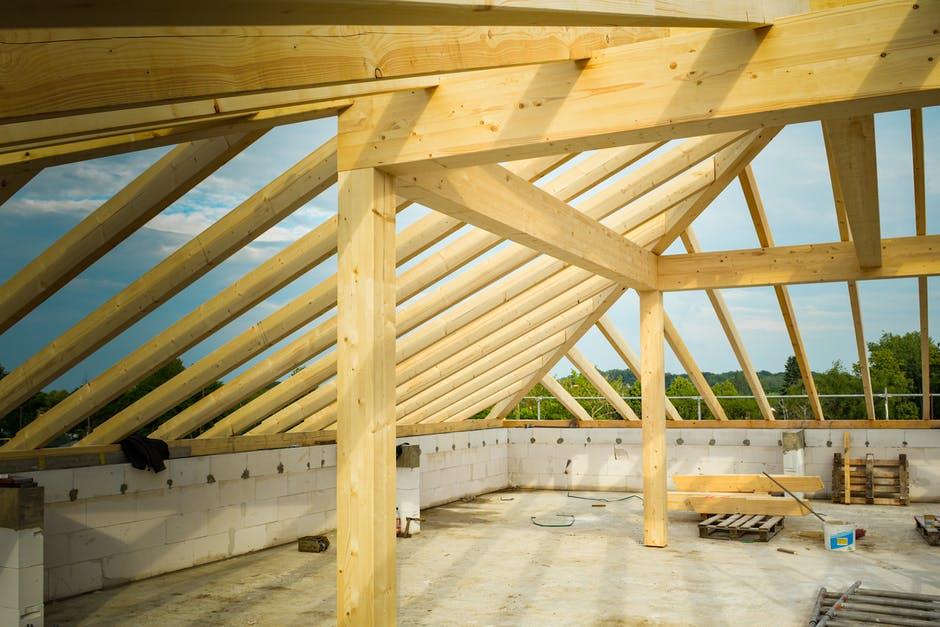
Choosing responsible materials is a smart business decision that protects the environment and reduces financial risk. Developers who adapt early will lead the market. Those who delay may find themselves left behind. Making the switch now will put your company at the forefront of this green movement.