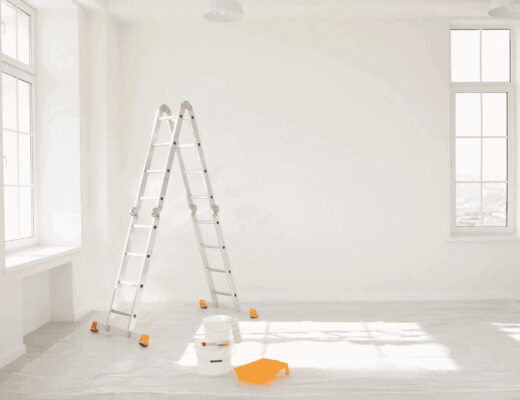
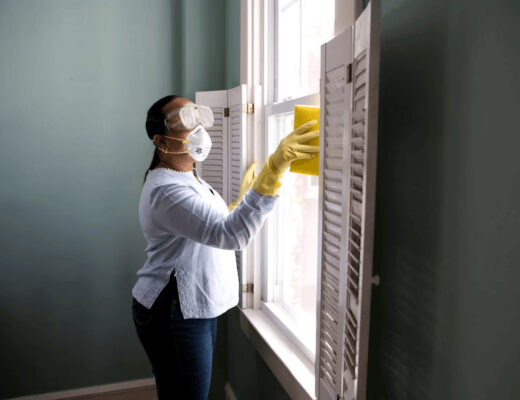
Updating wall surfaces can instantly transform any room during home improvements. Selecting appropriate materials creates a fresh atmosphere and protects interior structural surfaces.
Every room demands careful thought regarding durability, texture, and light reflection. Matching wall coatings to room functions prevents premature wear and costly future repairs.
Understanding Basic Paint Finishes
Paint sheens range from flat surfaces to high gloss options for residential homes. Matte selections hide wall bumps and surface flaws with ease. High gloss sheens reflect light and resist daily wear in heavy traffic zones.
Selecting mid-range sheens like eggshell provides balance throughout common family areas. Homeowners often choose organic paint products to maintain healthy indoor air during family living space updates. Proper application methods provide smooth coverage across every single room in the house.
Choosing smooth sheens simplifies future cleaning tasks for active households with kids. Satin sheens wash clean without losing their original color depth. High moisture rooms benefit greatly from glossy surfaces that resist water drops and soap residue.
Evaluating Textured Plaster Options
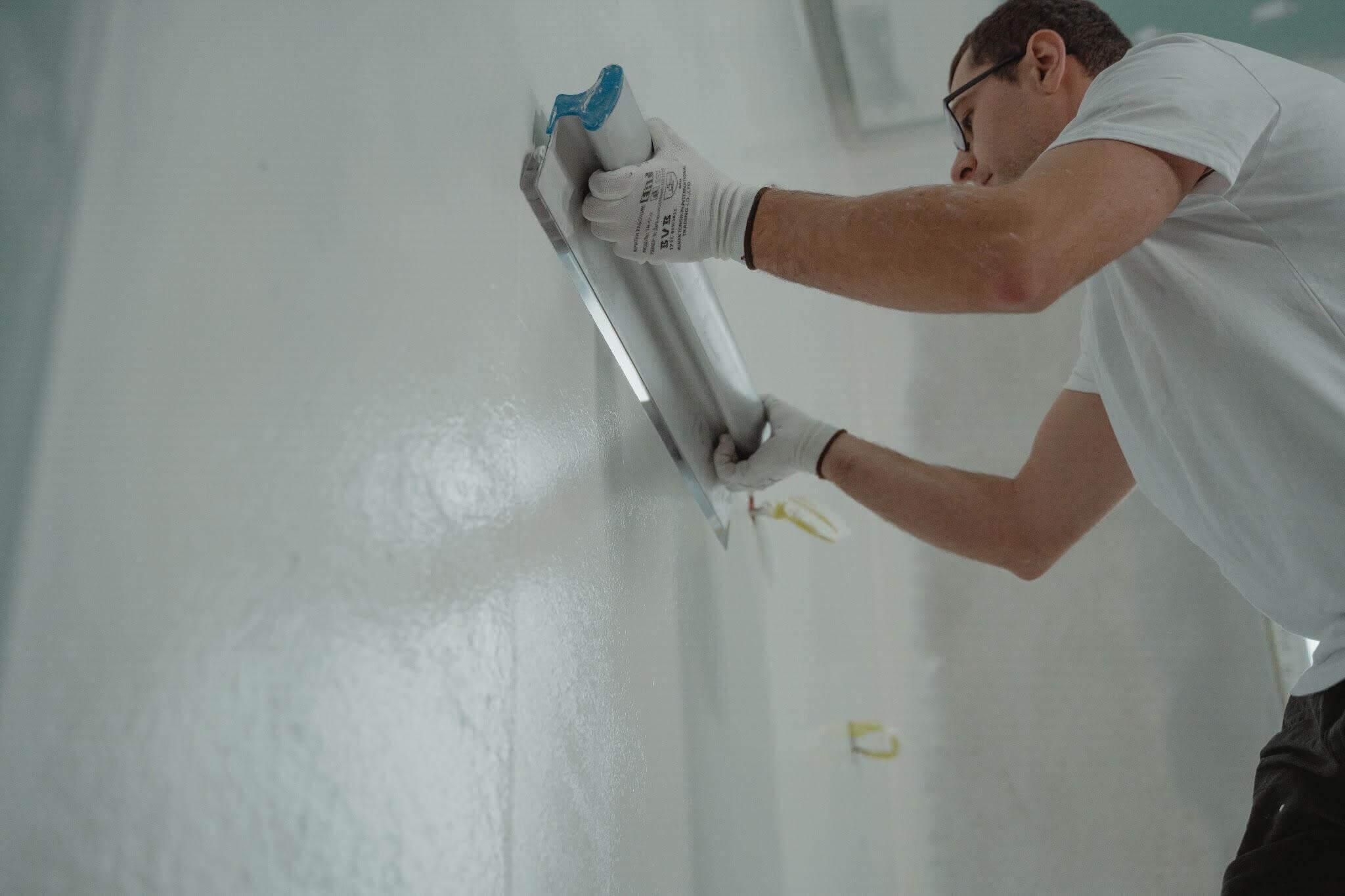
Textured plaster brings real depth to flat room surfaces during complete home updates. Heavy plaster hides old cracks on uneven drywall panels. Smooth plaster blends modern architectural style with long-lasting resilience.
Trowel techniques create custom patterns across main living room feature walls. Hand methods allow tradespeople to craft unique surfaces that catch natural room light. Subtle textures work best on large open room walls where light spreads evenly.
Thick plaster applications require solid structural drywall backing to remain stable. Heavy-weight coatings need expert prep work before application starts on interior walls. Planning prevents plaster cracking after drying finishes completely across broad wall areas.
Exploring Natural Limewash Coatings
Limewash coatings deliver soft earthy textures with distinct chalky appearances on interior walls. A trend survey published by Elle Decor revealed that 624 surveyed interior designers overwhelmingly chose limewash as their top wall finish choice. Natural minerals absorb into porous drywall surfaces as months pass.
Traditional lime coatings allow trapped moisture to escape safely without causing wall damage. Old stone structures stay dry when painted with breathable lime washes. Modern homes gain rich character from subtle color variations in every room.
Applying multiple thin coats builds soft depth across dining room walls. Specialized brushes create gentle motion across broad surface areas during application. Consistent brush strokes keep color distribution balanced across the entire wall surface.
Matching Wall Colors with Lighting Conditions
Natural sunlight changes room color appearances throughout full daytime hours in every home. North-facing windows cast cool tones across interior wall surfaces. South-facing light warms soft neutral paint shades during bright afternoon hours.
Survey findings shared by Apartment Therapy showed that home design experts regularly poll professional designers on emerging room patterns and layouts. Darker shades create cozy sitting spaces in quiet home corners. Light wall tones expand compact room dimensions effectively without major building changes.
Testing paint samples under evening lamp lighting prevents color surprises on finished walls. Small sample boards let homeowners move colors around different room walls throughout the day. Watching light shifts helps select winning wall tones before buying full paint cans.
Selecting Sheens for High-Traffic Spaces
Busy hallways and entry doors require tough surface protection against daily bumps. Daily scuffs disappear easily from satin finishes with simple cleaning routines. Harder sheens withstand regular cleaning with mild soap solutions without fading.
Consider some practical factors when selecting wall finishes for busy home spaces:
- Moisture resistance level for damp room areas
- Ease of wiping down wall scuffs and fingerprints
- Surface reflection under bright natural sunlight
High traffic zones stay fresh longer with resilient gloss sheens applied properly. Kitchens and bath spaces benefit from moisture-resistant wall formulas that protect drywall. Selecting tough sheens cuts down on touch-up painting needs throughout busy family homes.
Choosing Earthy Tones and Warm Neutrals
Warm brown shades and muted taupe replace stark white tones in modern interior designs. Rich terracotta adds grounding energy to open living spaces and shared family rooms. Soft beige creates inviting backgrounds for varied furniture styles and decor pieces.
A design report from Archiproducts highlighted that sage green is one of the most versatile colors for interior wall paint. Soft green tones bring calming natural outdoor elements inside living areas. Natural shades pair well with exposed timber trim and stone features.
Earthy palettes unite adjoining rooms into cohesive home layouts with smooth color flows. Neutral backdrops allow bold artwork to stand out cleanly on main display walls. Warm wall colors make large spaces feel comfortable and welcoming for family guests.
Preparing Interior Walls for New Coatings
Proper prep work keeps new wall coatings stuck without peeling or flaking off. Sanding rough spots smooths out old paint lines completely before applying fresh paint. Removing dust creates clean drywall surfaces for strong primer grip across all sections.
Follow some simple steps for smooth wall finish preparation in your home:
- Patch deep drywall holes with joint compound
- Sand patched areas smooth after drying completely
- Apply quality primer across raw patches and stains
Prime coats seal fresh spackling compounds before top coats go down on drywall. Priming blocks stubborn stains from bleeding through new paint finishes later on. Clean prep work yields professional wall results every time you update your home walls.
Maintaining Wall Surfaces Through the Years
Regular cleaning preserves original wall paint colors for years without requiring full repainting. Soft microfiber cloths sweep away light dust without scratching delicate sheens. Spot cleaning removes minor marks before stains set deep into the paint film.
Avoid harsh scrubbing pads on delicate low-sheen surfaces to prevent glossy spots. Mild dish soap mixed with warm water cleans most wall scuffs gently without removing paint color. Blotting spills protects base paint coatings from peeling off or showing water marks.
Keeping extra touch-up paint handy makes minor repairs simple for busy homeowners. Small craft brushes fix tiny edge nicks without repainting entire wall sections. Careful maintenance keeps renovated walls looking brand new for many years.
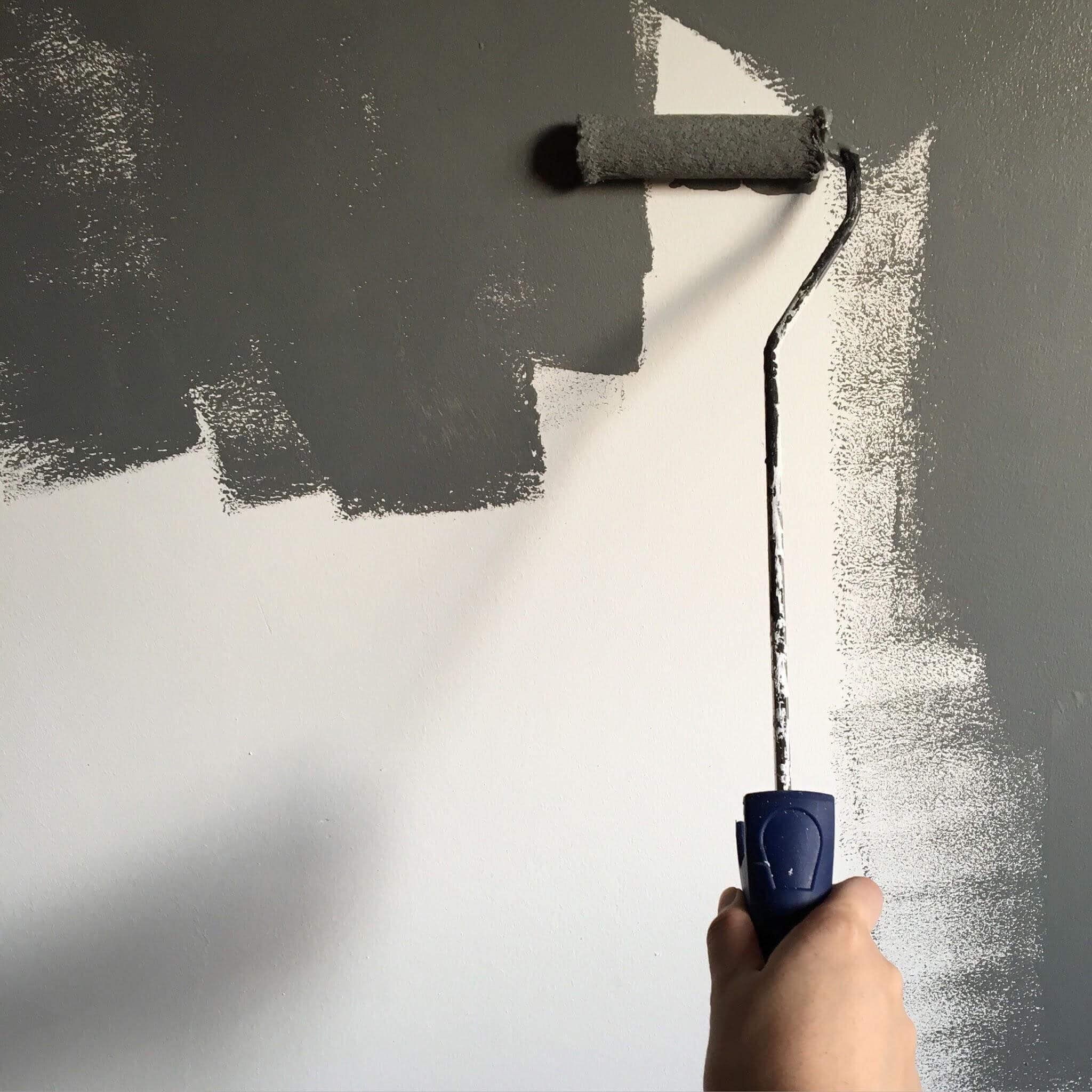
Renovations succeed when wall finish choices balance daily function with aesthetic goals. Careful prep work combined with quality materials creates lasting beauty across every room.
Matching room activity levels to tough sheens protects your investment for years. Testing color options under real room lighting gives complete satisfaction with your final home design.