Most of the people reading this site have already crawled through an attic to fix a soffit vent or torn out a rotten section of subfloor because water got somewhere it shouldn’t have. That same instinct, the one that says “I’ll just handle it myself,” is exactly what turns a minor pest sighting into a structural headache. A few ants on the counter or a scratching sound in the wall feels like a small thing until it isn’t, and the DIY confidence that serves you well on a deck rebuild can actually work against you here.
The parallel to renovation work is closer than it seems. Homeowners who rush a repair without understanding what’s behind the wall often end up spending more fixing their fix, a theme covered well in renovation mistakes to avoid. Pest control follows the same pattern. Skip the diagnosis, grab a store-bought spray, and declare victory too early, and you’re just deferring a bigger, uglier problem.
Ignoring Early Warning Signs: Why Small Pest Problems Spiral Into Disasters
A single carpenter ant on the kitchen floor doesn’t seem worth a phone call. Neither does a faint musty smell in the basement or a few pepper-like droppings behind the stove. But these are rarely isolated events. Roughly 40% of American homeowners deal with a pest infestation every year, according to a 2024 Forbes Home survey, and in almost every case there was an earlier, smaller signal that got dismissed as a one-off. Termites chew through wood for months before anyone notices sagging floors or hollow-sounding trim, and rodents can nest inside insulation for weeks before the noise becomes obvious at night.
The fix here isn’t complicated, it’s just uncomfortable to admit: treat the first sighting as data, not a nuisance. Note where you saw it, what time of day, and whether there’s moisture or food nearby. Homeowners working with Holper’s Pest & Animal Solutions in St. Charles often mention that the humid summers and older housing stock in the region create ideal conditions for termites and carpenter ants to move from yard to foundation without much warning. Waiting for a second or third sighting before acting is how a two-week problem becomes a two-year one.
Using the Wrong Products or Misapplying Treatments: How DIY Mistakes Scatter and Worsen Infestations
Walk down the pest aisle at any hardware store and you’ll find a dozen sprays promising instant results. The trouble is that most of these products are designed to kill on contact, not to eliminate a colony or nest. Spraying visible ants, for instance, can actually make things worse by triggering a behavior called “budding,” where the colony splits into several smaller ones scattered around the property in response to the perceived threat.
Roughly 54% of homeowners still rely primarily on sprays and traps despite repeat infestations, according to a 2025 Scorpion survey, which tells you these products aren’t solving the underlying issue even when people keep buying them.

Misapplication compounds the problem. Overusing repellent-type products near a foundation can push termites deeper into a structure instead of eliminating them, and applying the wrong bait for the wrong species can just feed the pest you’re trying to remove. The better approach is identifying the actual species first, since a fix for pavement ants does nothing for odorous house ants, and a rodent snap trap placed in the wrong location just gets ignored.
Bed bugs are a good example of why the wrong treatment can make an infestation harder to control. According to Bed Bug Specialist, unsuccessful DIY treatments can cause bed bugs to disperse into other areas of the property rather than eliminate the problem. For established or widespread infestations, the company recommends professional heat treatment to target bed bugs and their eggs throughout the affected area.
Professional treatments are formulated and placed based on species behavior, not general assumptions, which is part of why licensed technicians get results DIY products often can’t.
Treating Visible Pests Without Addressing Root Causes: Why Infestations Keep Returning
Killing the pests you can see feels like progress, but it’s a bit like patching drywall over a leaking pipe. The stain disappears for a while, then comes back worse. Pests show up because a home offers something they need, whether that’s a moisture source, an entry gap, or accessible food, and until that access point is closed off, new pests will keep finding their way in even after the current batch is gone.
This is where structural damage starts to add up. About 50% of surveyed homeowners report some form of structural damage caused by pests, according to 2025 data from Dodson Pest Control, and termite damage alone averages around $3,000 per home to repair, per National Pest Management Association figures from 2024.
Sealing foundation cracks, repairing damaged screens, fixing gaps around utility lines, and correcting drainage issues near the foundation all matter more than the initial treatment itself. A technician who identifies and closes these entry points is doing more long-term good than any spray ever could.
Delaying Professional Help: The Hidden Costs of Waiting Too Long
There’s a specific kind of procrastination that happens with pests: the problem seems manageable, so you keep telling yourself you’ll call someone next week. Meanwhile, the colony grows, the damage spreads, and the eventual bill climbs. Residential pest control accounts under contract grew nearly 69% between 2021 and 2025, rising from 7.85 million to 13.29 million nationally, a shift that reflects how many homeowners eventually learned this lesson the expensive way.
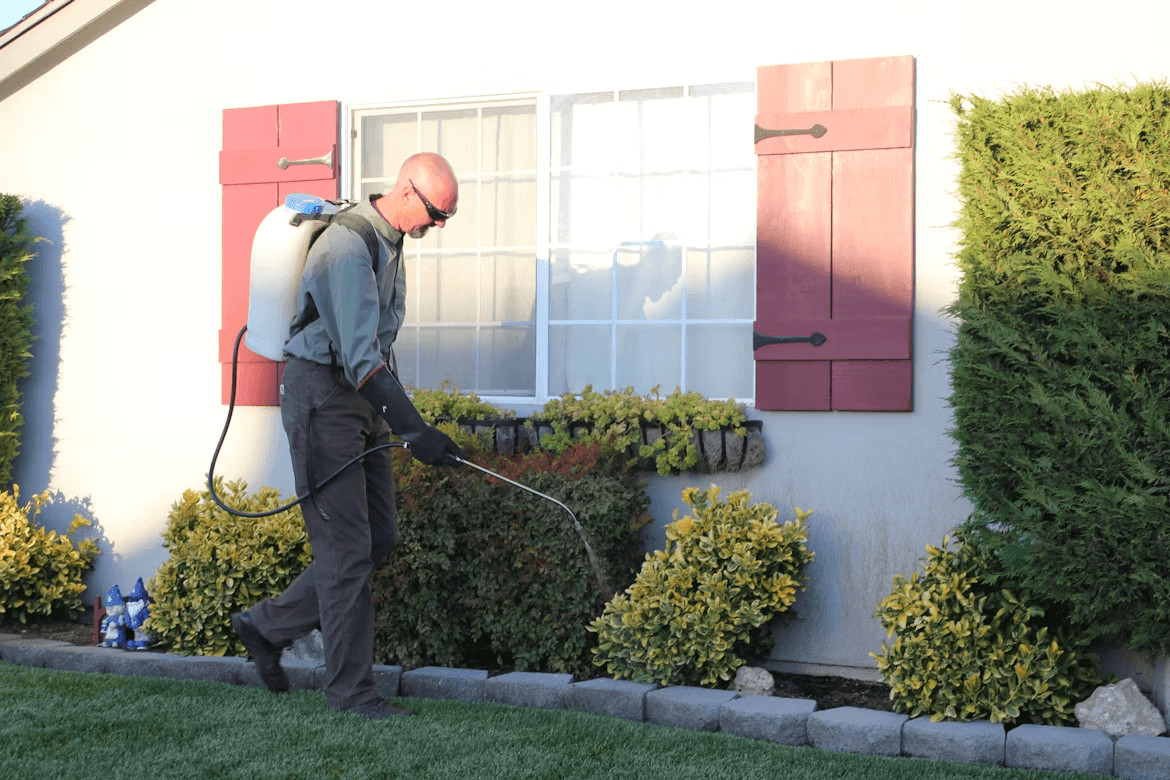
According to this article, the structural pest control industry generated $12.654 billion in service revenue in 2024, a 7.9% increase over the prior year, which points to just how many households are recognizing that DIY methods alone aren’t cutting it anymore.
| Statistic | Figure |
| Homeowners experiencing pest infestations annually | 40% (Forbes Home, 2024) |
| Homeowners relying primarily on DIY sprays/traps | 54% (Scorpion, 2025) |
| Homes with pest-related structural damage | 50% (Dodson Pest Control, 2025) |
| Average termite damage repair cost | $3,000 per home (NPMA, 2024) |
| Growth in residential pest control contracts (2021-2025) | 69% increase, 7.85M to 13.29M |
Waiting also changes the type of work required. A problem caught early might need a single targeted treatment and a sealed entry point. A problem left alone for months might require structural repair, insulation replacement, and multiple visits to fully resolve. The homeowners who come out ahead financially aren’t the ones who avoided calling a professional, they’re the ones who called before the damage became structural.
Treat that first sign the same way you’d treat a small roof leak or a hairline foundation crack: worth a second look before it becomes a much bigger project.