If you live in Tucson long enough, you’ll see stucco cracks appear on virtually every home in the neighborhood, including your own. This isn’t a sign of poor construction. It’s the predictable result of a desert environment that puts genuine, sustained stress on exterior surfaces.
The real question isn’t whether stucco will crack here; it’s knowing which cracks are cosmetic and which are early warning signs of a bigger problem.
Why Tucson’s Climate Makes Cracking Inevitable
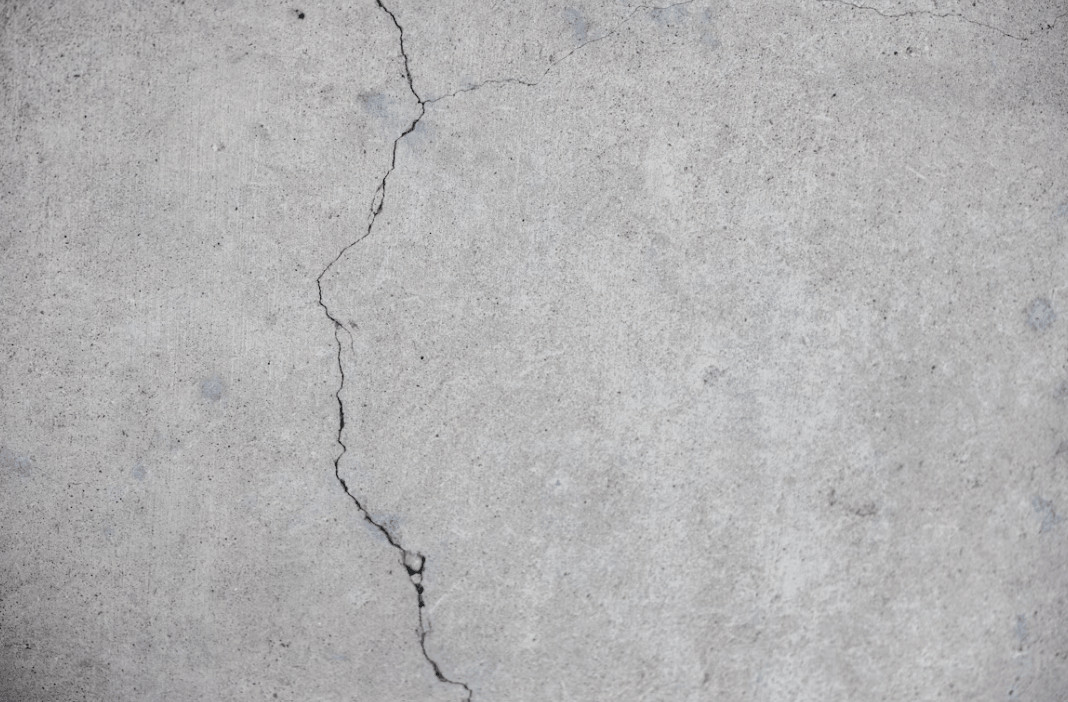
Image source: Matt Bango from Unsplash
Tucson’s daily temperature swings are dramatic; a 30-to-40-degree difference between morning lows and afternoon highs isn’t unusual even outside of peak summer. Stucco expands as it heats and contracts as it cools, and that constant thermal cycling puts stress on the material over time.
Layered on top of that, monsoon season brings sudden, heavy rainfall that saturates the ground around foundations, and Tucson’s caliche soil doesn’t drain well, which creates soil movement that translates into additional stress cracks, particularly at corners, foundation-to-wall transitions, and window and door openings where a wall panel’s structure changes.
How to Tell Cosmetic Cracks From Warning Signs
Hairline cracks under 1/8 inch that follow a fairly straight, thin path are generally cosmetic. These typically result from normal thermal expansion and contraction and respond well to a simple elastomeric caulk repair.
Cracks wider than 1/8 inch, or cracks with a stair-step pattern following mortar joints, are worth a closer look. These often indicate more significant movement, either from soil shifting or from a structural issue, rather than simple surface-level thermal stress.
Cracks accompanied by bulging, soft spots, or visible staining point to something more serious, often water intrusion that’s already reached the base coat or lath behind the stucco surface. This category needs prompt professional attention rather than a simple caulk fill, since the damage has likely progressed beyond the visible surface.
Chalky white powder on the stucco surface, known as efflorescence, is mineral salt left behind when moisture evaporates through the material. It’s not just a cosmetic issue. It’s a clear sign water is actively working its way through your stucco, and it’s worth addressing the underlying moisture path, not just cleaning off the visible residue.
Why Timing Matters More Here Than in Other Climates
Small, hairline cracks that seem harmless can let in both water and dust. During monsoon season, sudden heavy rainfall can exploit even minor gaps, and once water reaches the base coat or the lath underneath the finish coat, the damage compounds quickly. A $150 to $300 crack repair addressed promptly can prevent what becomes a multi-thousand-dollar water damage and full re-stucco job if left through even one or two monsoon seasons.
Why Elastomeric Coatings Need More Frequent Attention Here
Most Tucson stucco is finished with an elastomeric paint or coating, a flexible material designed to bridge hairline cracks and provide a waterproof layer over the surface.
Tucson’s UV index is among the highest in the continental United States, and that intensity degrades elastomeric coatings faster than in a more temperate climate.
A coating that might last 8 to 10 years elsewhere often needs reapplication every 5 to 7 years here. Once that coating breaks down, previously bridged hairline cracks become open pathways for water again, even if the crack itself hasn’t visibly widened.
What a Proper Assessment Actually Involves
A thorough evaluation checks for soft spots, bulging, staining, and efflorescence in addition to simply mapping visible cracks, and traces likely moisture paths rather than treating each crack as an isolated cosmetic issue.
This kind of assessment is what actually determines whether a spot repair is sufficient or whether a larger restoration is warranted.
Getting an Accurate Read on Your Specific Cracks
Because the line between cosmetic and structural stucco damage isn’t always obvious from a casual glance, a professional assessment is worth the modest cost before assuming either extreme.
Tucson stucco repair company services should start with exactly this kind of honest evaluation, distinguishing genuine warning signs from the normal cosmetic cracking that comes with living in this specific desert climate.