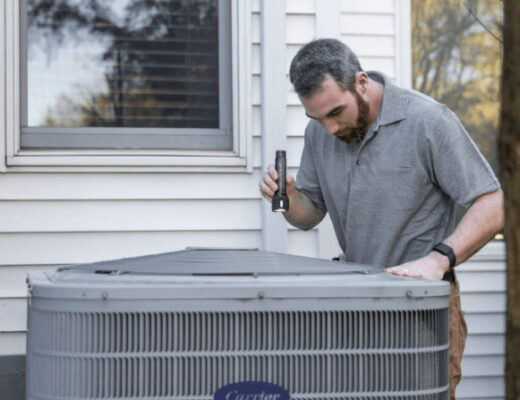
If you’re the type of homeowner who reads Charles & Hudson for pergola plans, kitchen upgrades, and honest advice on which projects you should actually tackle yourself, pest control probably isn’t the first thing on your radar. But it should be. The same instincts that make you double-check a deck’s structural load or research the right sealant for a bathroom remodel apply directly to keeping insects and rodents out of the walls you just spent a weekend painting. Pest problems don’t respect your renovation budget, and a termite colony can undo months of careful DIY work faster than any project mistake.
The pest control industry has changed considerably over the past few years, and those changes matter to anyone who owns a home and likes to handle maintenance themselves. Products, technology, and even the business model behind pest management look different than they did even five years ago. Understanding what’s shifted helps you decide when a store-bought spray is enough and when it’s time to bring in a professional, much the same way you’d weigh a DIY tiling job against calling a contractor.
The Shift to Eco-Friendly and Integrated Pest Management (IPM) Solutions
One of the most noticeable changes in pest control is the move away from blanket chemical spraying toward Integrated Pest Management, or IPM. This approach combines habitat modification, targeted treatments, and ongoing monitoring instead of relying on broad-spectrum pesticides applied on a fixed schedule. Homeowners are asking more questions about what’s being sprayed near their kids, pets, and vegetable gardens, and companies have responded by developing lower-toxicity formulations that still deliver strong results. This mirrors a broader trend in home improvement circles, where sustainable materials and methods are increasingly the default rather than the exception.
For homeowners in the Lockwood area, this shift has practical implications. Local conditions, including proximity to the Yellowstone River and the mix of older housing stock with newer construction, create specific pest pressures that generic treatments don’t always address well. That’s part of why working with Kodiak Pest Control looks different today than hiring a pest company a decade ago. Modern providers assess the property first, identify entry points and conducive conditions, and then apply treatment strategically rather than just spraying the perimeter and calling it done.
Smart Technology and Data-Driven Pest Monitoring Are Transforming Home Maintenance
Technology has reshaped how pest issues get detected and tracked, much like smart thermostats and leak sensors have changed general home maintenance. Sensor-based traps now send alerts when activity is detected, letting technicians and homeowners respond before an infestation spreads rather than discovering it after damage is done. Some companies use this data to map pest pressure across a neighborhood over time, which helps predict seasonal surges before they hit your specific property. This is a meaningful departure from the old model of quarterly visits with no data in between, where problems could grow unseen for months.

This data-driven approach also explains why recurring service plans have become so dominant in the industry. Roughly 85 percent of residential pest control revenue now comes from ongoing service agreements rather than one-time treatments, largely because continuous monitoring catches problems earlier and prevents the expensive callbacks that used to be common. For DIYers, this trend is worth noting because it signals that pest control, like HVAC maintenance or gutter cleaning, works better as a maintained system than a reactive fix. The same logic that keeps you from waiting until a roof leaks to check your shingles applies here.
When DIY Pest Control Works and When You Need Professional Help
There’s a legitimate place for DIY pest control, and it’s larger than some professionals like to admit. Sealing gaps around windows and doors, keeping woodpiles away from the foundation, fixing moisture issues in crawl spaces, and using basic ant baits or traps for minor, isolated sightings are all reasonable projects for a capable homeowner. These preventive steps overlap heavily with general home maintenance, and doing them well reduces the odds you’ll need professional intervention at all. If you’ve ever tackled a caulking or weatherproofing project, you already have most of the skills needed for basic pest prevention.
Where DIY consistently falls short is with termites, structural rodent infestations, and any pest problem tied to a home’s electrical, plumbing, or structural systems. Termites alone cause more than $5 billion in property damage annually across the United States, and by the time visible damage appears, the colony has often been active for years. This is similar to renovation work where cosmetic fixes mask a deeper structural issue, a pattern covered well in renovation mistakes to avoid, where surface-level solutions end up costing more down the line. Professional-grade termiticides, baiting systems, and rodent exclusion work require licensing, specialized equipment, and knowledge of local building codes that go well beyond what’s available at a hardware store.
Future-Proofing Your Home: What Homeowners Need to Know About Emerging Pest Trends
The pest control industry’s growth reflects how seriously both companies and homeowners are taking these issues now. According to this article, the structural pest control industry in the United States generated total service revenue of $12.654 billion in 2024, representing a robust 7.9 percent increase from 2023, which demonstrates the industry’s resilience and growing demand for professional pest management services. That growth is expected to continue, with projections putting the market near $29.1 billion by 2026. Homeowners are also doing far more research before hiring anyone, a pattern consistent across home services generally.
| Metric | Figure |
| U.S. Pest Control Market Size (2024) | $12.654 billion |
| Projected Market Size (2026) | $29.1 billion |
| Annual Growth Rate | 7.9% |
| Residential Revenue from Recurring Plans | 85% |
| Customers Who Research Online Before Booking | 98% |
| Customers Who Read Reviews First | 76% |
| Annual Termite Damage (U.S.) | $5+ billion |
Ninety-eight percent of customers now research local pest control services online before booking, and 76 percent read reviews before making a decision, numbers that mirror how people vet contractors for kitchen remodels or roofing jobs. Consumer demand for sustainable, IPM-based solutions is also rising sharply, pushing more companies to adopt lower-impact treatments as a baseline rather than a premium option. For homeowners, staying ahead of these trends means treating pest prevention as a standing line item in home maintenance planning, not an emergency response after something goes wrong. Pair regular DIY upkeep, like sealing entry points and managing moisture, with periodic professional inspections, and you’ll catch small issues before they become expensive ones.