A well-designed room usually feels balanced before you can explain why. The furniture fits the space. The lighting works with the architecture. Colors, textures, and finishes all support the same look.
Then heating enters the picture.
Traditional heaters can take up floor space, interrupt furniture placement, or become one of the first things you notice when you walk into a room. For years, homeowners often accepted that tradeoff because warmth mattered more than appearance.
That choice is becoming less necessary.
Wall-mounted electric heating panels offer another way to bring warmth into a room without letting the heating system dominate the design. For homeowners planning a renovation or updating a carefully designed interior, the Browse electric heating panels range shows how heating can become part of the room rather than something added after everything else has been planned.
The result is a simple idea: comfort and design can work together.
Warmth Changes How a Room Feels
Interior design is more than visual artistry. A room can look polished and still feel uncomfortable.
Temperature plays a major role in how people experience space. A living room may have beautiful lighting, carefully chosen furniture, and a thoughtful color palette, but if it feels cold, people are less likely to settle in and stay.
Warmth changes that.
A comfortable temperature can make a room feel more inviting. It encourages people to sit down, relax, and spend more time in the space.
This is where heating becomes part of the architecture rather than a separate mechanical decision.
The goal is not to make the heater the focus. The goal is to make the room feel right.
Why Wall-Mounted Heating Works With Modern Interiors
Good design often comes down to removing unnecessary distractions.
Wall-mounted electric panels can support that approach because they take up very little floor space. Instead of placing a freestanding heater beside a sofa or across from a dining table, the heating surface sits close to the wall.
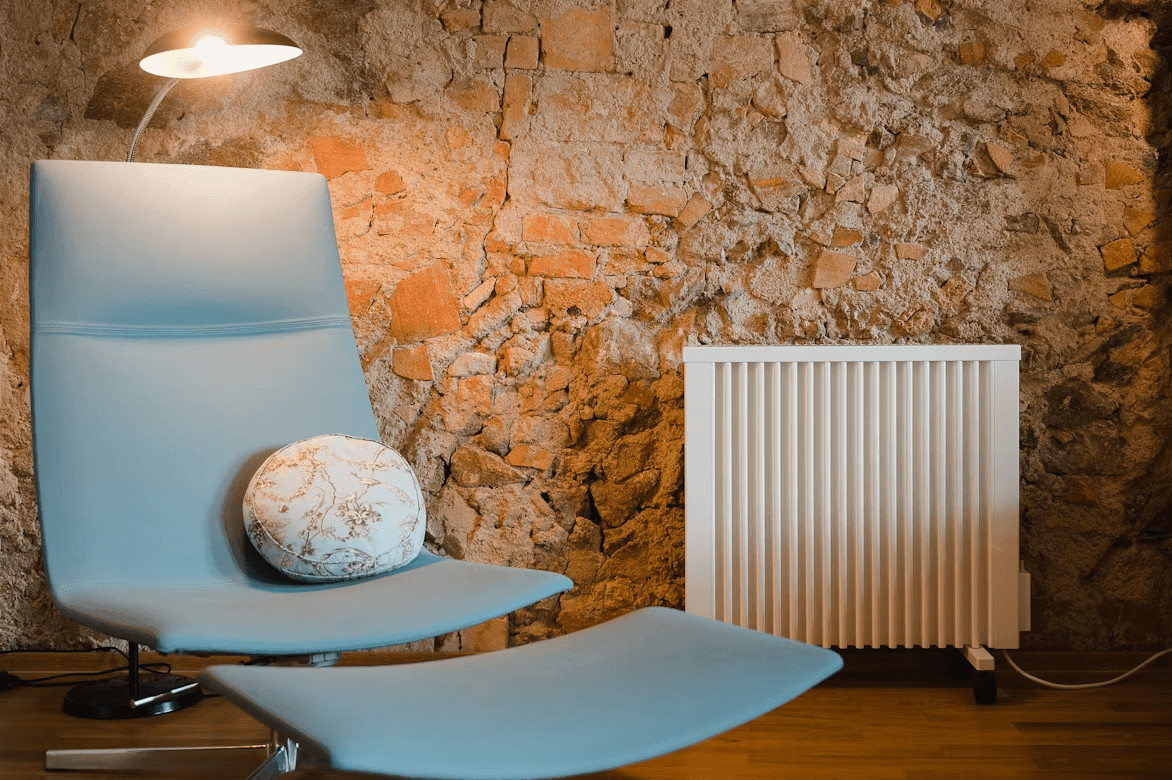
That opens up more possibilities for furniture placement.
It can also make a room feel less crowded.
In smaller homes, apartments, bedrooms, home offices, and narrow living spaces, every square foot matters. A heating system that stays close to the wall gives homeowners more flexibility with the rest of the room.
The heating still does its job, but it does not have to control the layout.
Less Visual Clutter Can Make a Room Feel Larger
Clutter is not only about objects on shelves.
Large appliances, bulky furniture, and equipment that sticks out from walls can all make a room feel more crowded than it actually is.
Reducing that visual weight helps create a cleaner space.
When heating moves away from the floor, homeowners gain more freedom to work with furniture, artwork, rugs, lamps, and architectural details.
That can make the room feel more intentional.
A clean wall line can help furniture look better placed. More open floor space can make a smaller room feel easier to move through. A heating solution that blends with the interior leaves more attention for the parts of the room you actually want people to notice.
The Psychology of Visual Warmth
Physical temperature is only one part of how people experience warmth.
Interior designers also create visual warmth with materials, colors, lighting, and texture.
Wood, natural fabrics, soft lighting, warm neutrals, layered textiles, and matte finishes can all make a space feel more comfortable.
Actual room temperature supports that effect.
Think about a bedroom designed for rest. Soft lighting and calm colors help, but the room still needs to feel physically comfortable.
A living room may use deeper colors, layered fabrics, and warmer lighting to create a welcoming atmosphere.
A home office may call for a cleaner, more focused look.
Heating should support the way each room is meant to feel.
When temperature, lighting, materials, and layout all work together, the space feels more complete.
Minimalism Does Not Mean Removing Personality
Minimal interiors are often misunderstood as empty spaces with white walls and very little furniture.
Good minimalism is more thoughtful than that.
It gives important pieces room to stand out.
When fewer functional objects compete for attention, artwork becomes more noticeable. Furniture feels more intentional. Architectural details become easier to appreciate.
Wall-mounted heating can fit well with this approach.
By keeping the floor clear, the room gains more visual breathing room. That does not mean the room has to feel cold or bare.
A textured rug, timber furniture, soft upholstery, artwork, and warm lighting can still give the space plenty of character.
The heating simply stays in the background.
Heating Can Become Part of the Architectural Plan
Heating decisions are often made late in a renovation.
That can create problems.
A homeowner may spend weeks choosing flooring, furniture, lighting, and paint colors, only to discover that the heating system needs to occupy a wall or floor area they had planned to use for something else.
Thinking about heating earlier can produce a better result.
A heating panel can be considered alongside furniture placement, wall finishes, lighting, windows, and room proportions.
That changes the design question.
Instead of asking only, “How are we going to heat this room?” homeowners can also ask, “Where should the heating go so the room still works the way we want it to?”
That small shift can make the finished space feel much more coordinated.
Designing Around What You Do Not Want to Notice
Some of the best parts of a home are the things you barely think about.
Lighting should make it easy to see without constantly drawing attention to the fittings.
Storage should keep everyday items organized without turning every wall into a bank of cupboards.
Heating should make the room comfortable without forcing the rest of the design to work around it.
This is one reason integrated design feels so calm.
Everything has a purpose, but not everything needs to become the focal point.
Heating panels can fit into this type of planning because they allow the room to stay visually simple while still providing warmth where it is needed.
Small Rooms Benefit the Most From Careful Heating Placement
Heating placement matters in every room, but it becomes especially important when space is limited.
A small bedroom may already need to fit a bed, bedside tables, storage, and a desk.
A compact living room may need to handle seating, media equipment, storage, and circulation space.
Adding a bulky heating appliance can make furniture planning harder.
Wall-mounted systems reduce that pressure.
With less equipment on the floor, homeowners have more freedom to place furniture where it makes sense for daily use.
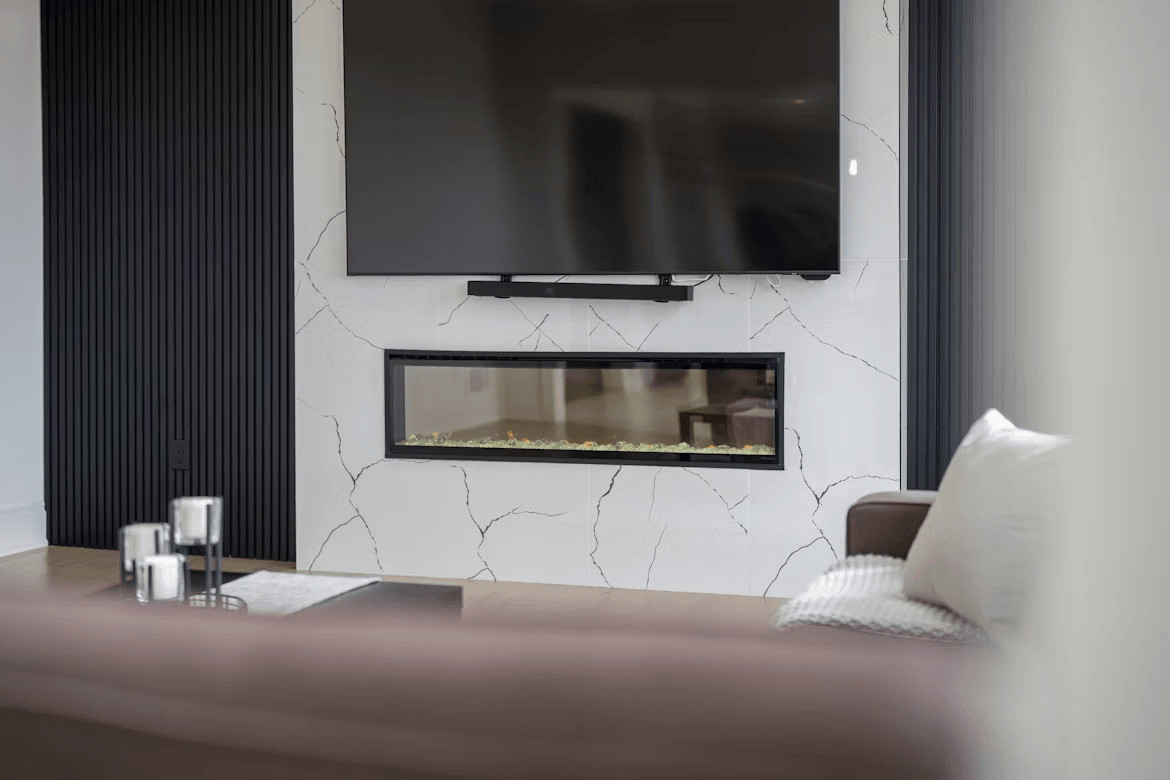
That can also help with circulation.
People should be able to move naturally through a room without weaving around heaters, furniture, and other obstacles.
Good heating placement supports that goal.
Think About the Whole Wall Before Installation
A heating panel may have a small visual footprint, but placement still matters.
Before choosing a location, look at the entire wall.
Consider where artwork will go. Think about electrical outlets, switches, windows, curtains, shelving, furniture, and other features.
You should also think about how the room may change later.
A wall that is empty today may hold a sofa, desk, or cabinet in a few years.
Planning around these details helps prevent the heating system from becoming an obstacle later.
It is also worth following the manufacturer’s installation guidance and having electrical work completed by an appropriately qualified professional where required.
Design should never come at the expense of safe installation.
Comfort Should Support the Way You Use the Room
Every room has a different purpose.
That should influence how you think about heating.
A bathroom often needs warmth at specific times of day.
A home office may be occupied for eight hours.
A guest room might only need heating occasionally.
A living space may need steady comfort for long periods during winter.
Understanding how the room is actually used helps determine the type, size, and placement of heating that makes sense.
This is more useful than selecting a product based only on how it looks.
The best design decisions usually solve both problems at once. They work well and fit the room.
Warmth With a Lighter Visual Footprint
Interior trends will continue to change, but homeowners are unlikely to stop wanting spaces that feel comfortable, calm, and easy to live in.
Heating plays a role in that.
Wall-mounted electric panels offer a way to bring warmth into a room while keeping more floor space open and reducing the visual impact of the heating system.
That makes them worth considering during a renovation, new build, or interior update, especially when clean lines and flexible furniture placement are part of the plan.
Heating does not have to look like an afterthought.
When it is considered alongside lighting, furniture, finishes, and layout, it becomes another part of the room’s architecture.
For homeowners exploring ways to combine comfort with a cleaner interior, the Browse electric heating panels range can provide a useful starting point for comparing styles and options that work with modern spaces.