A faucet that coughs out a thin stream on a freezing morning is easy to blame on low pressure. Before you do, try a couple of other taps. If those run fine, a supply pipe may have frozen, and waiting for warmer weather to fix it can leave you with a leak.
The weak spots are rarely dramatic. Think of the pipes under the kitchen sink, a line next to a drafty basement window, or the plumbing that runs along the garage wall. Fixing these weak spots in the fall is the easiest way to prevent frozen pipes, and it beats finding out on the morning the water stops.
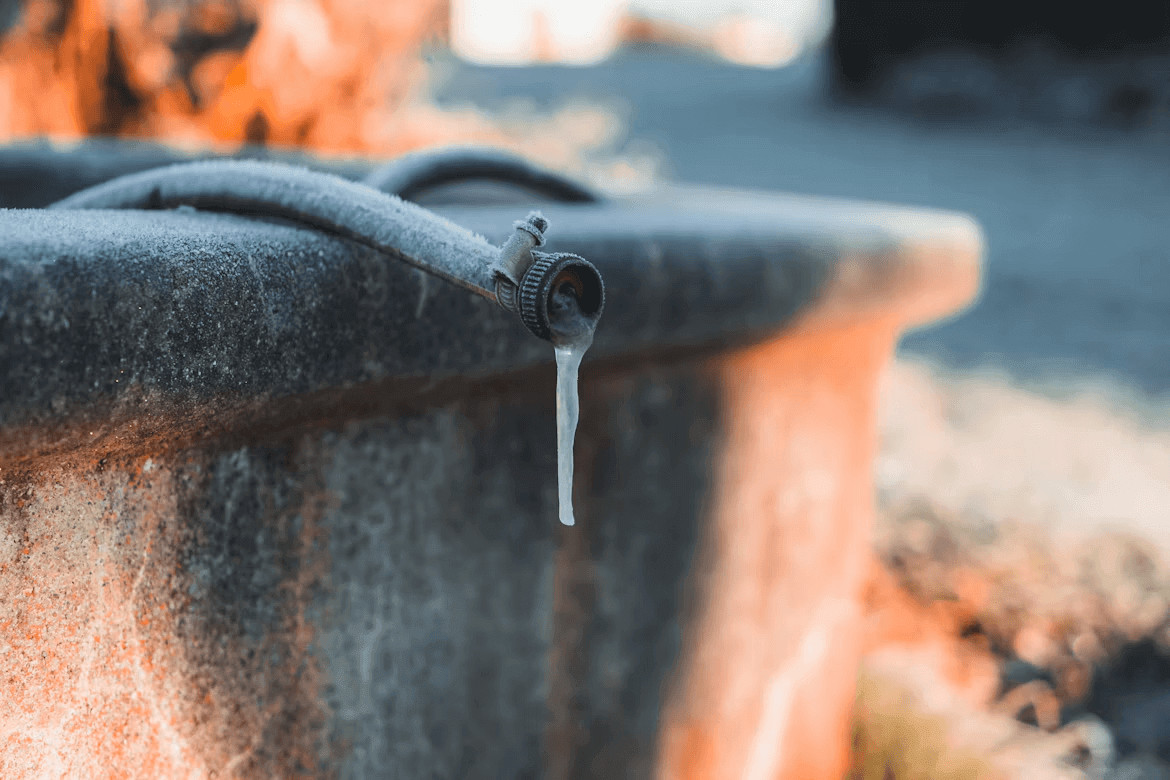
Image: Unsplash
Where Pipes Are Most Likely to Freeze
Start with any plumbing that runs outside the heated part of the house. Crawl spaces, attics, garages and unheated basements are the usual suspects, along with exterior walls where the insulation is thin or cold air finds its way in.
Sinks catch people out. The kitchen can feel perfectly warm while the pipes behind a closed cabinet door get much colder. Outdoor faucets deserve a check too, and so does the spot where the main water line enters through the foundation.
Some of these pipes can be difficult to spot, let alone reach. If you’re unsure which ones need protection, a pre-winter plumbing inspection can help identify areas vulnerable to freezing. Homeowners in the Arvada area can consult a local professional, such as Plumber Arvada from Spartan Plumbing, to assess exposed pipes and recommend preventive measures before temperatures drop.
How the damage happens matters too, because the break isn’t always where you’d look. Water expands as it freezes, and growing ice can trap liquid water against a closed faucet. Pressure builds in that pocket until the pipe splits, sometimes a good way from the ice. Plenty of people don’t find the break until the thaw, when the water finally has somewhere to go.
Temperature matters, but not in the way most people expect. Water freezes at 32°F, yet a pipe doesn’t necessarily freeze the moment the thermometer dips below that. According to research cited by the International Code Council, unprotected pipes in unheated attic spaces can begin freezing when outdoor temperatures fall to around 20°F or lower. However, pipes exposed to cold drafts or lacking adequate insulation may freeze at higher temperatures, particularly during prolonged cold weather. Check the forecast before a cold night rather than after the water stops.
How to Prevent Frozen Pipes Before Winter Hits
Foam pipe sleeves are a practical starting point. They’re cheap and slip over any pipe you can reach, provided you get the right size. Take a little extra care at joints and elbows, since gaps leave sections of pipe exposed.
Don’t expect too much from insulation, though. It slows heat loss and nothing more, so a pipe in an unheated space will still freeze if the cold sticks around long enough. Electric heat cable can make sense in some spots. If you try it, pick a tested product approved for your pipe material, and install and use it exactly as the instructions say.
Then there are drafts. Cold air likes to slip in where pipes pass through exterior walls, around basement windows and along the sill plate. Caulk or expanding foam will close most of those gaps. Leave appliance vents and other ventilation openings alone, though. If plumbing runs through the garage, keep the main door down when it’s cold.
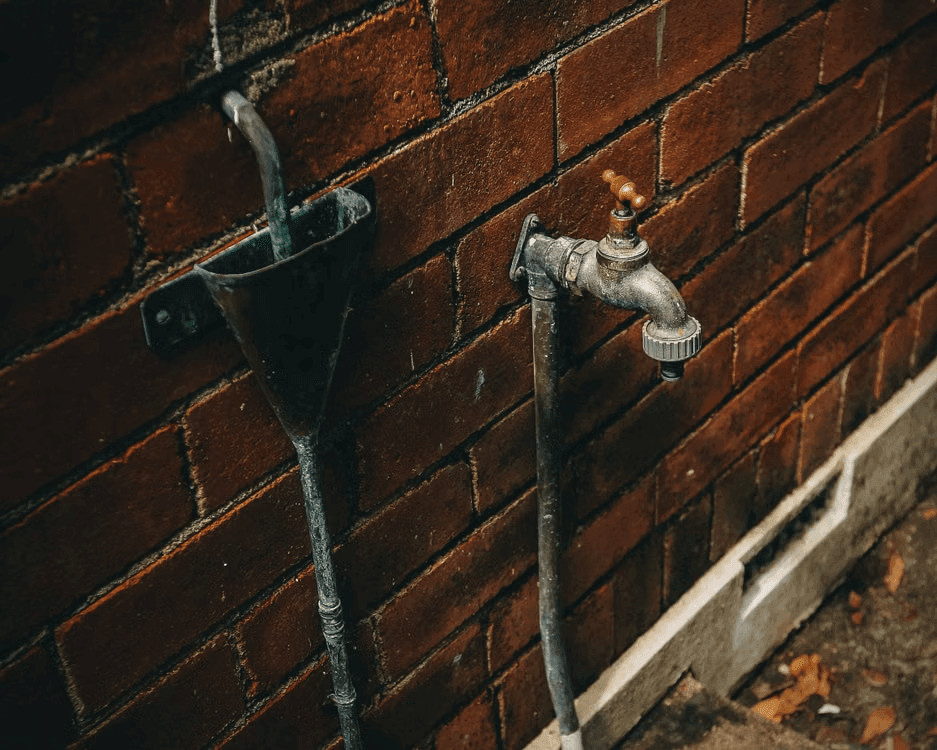
Image: Pexels
Outside, take the hoses off before the first freeze. A hose left attached can hold water in the faucet and stop it draining, even on a frost-free faucet.
Where an indoor valve feeds the outdoor tap, close the valve and open the tap so the line can drain. Leave the tap open afterward unless the manufacturer says otherwise. Irrigation systems are their own project with their own winterization steps, so follow the installer’s directions or get a technician in.
These are good jobs to add to a year-round preventative care routine, along with finding your main water shut-off. When you find it, put a label on it, and show everyone in the house where it is.
Give Vulnerable Pipes Some Help During Severe Cold
If a hard freeze is on the way, open the cabinet doors under sinks on exterior walls so warm room air can get to the pipes. Clear out any cleaning products first if you have kids or pets.
A thin trickle of cold water from a faucet fed by exposed plumbing can also help prevent freezing. It won’t guarantee anything, so pair it with a warm house and sealed drafts.
Hold off on turning the thermostat down at night until the cold passes. If you’re heading out of town, leave the heat on. The American Red Cross recommends keeping it no lower than 55°F, or about 13°C, while you’re away.
Ask someone to stop by and check on the place, too. If you’ll be gone a long time, talk to a plumber about winterizing. Closing the main valve and opening a few faucets sounds simple, but it won’t necessarily drain the whole system.
How to Tell If Your Pipes Have Frozen
When a faucet gives little or no water, go around and try the others, both hot and cold. If only one sink is affected, you’ve narrowed things down, although a blocked faucet or some other fault could also be to blame.
Frost on a pipe is another clue. A toilet that won’t refill can point to a frozen supply line as well.
If nothing in the house runs, don’t assume the main has frozen just yet. It could be a utility outage. Ask a neighbor whether their water is off too.
How to Thaw Frozen Pipes Safely and Watch for Leaks
Before any heat goes near the pipe, look over whatever part of it you can see. Cracks, bulges or signs of leaking mean you need a plumber. If you suspect damage, shut off the main supply, because a split pipe can start leaking the moment the ice melts.
If the pipe looks fine and you can reach it safely, open the faucet it supplies. If you can’t tell whether the hot or cold line is frozen, open both.
Start warming near the faucet and work back toward the frozen section. Use gentle heat rather than trying to thaw the pipe quickly. Good options include:
- A hair dryer moved along the pipe
- An electric heating pad approved for that use
- Towels soaked in hot water, replaced as they cool
Be careful with the electrical gear. Don’t use it while standing in water or with wet hands, keep devices, plugs and connections clear of wet areas, and follow the equipment’s instructions.
Never use a torch, propane or kerosene heater, charcoal stove, or any other open-flame device. The fire risk to the timber and insulation around the pipe is far too high.
Once the water is running, keep watching. Normal pressure doesn’t prove every section survived, so look for leaks during the thaw and again over the next few hours. If you spot one, shut off the water and call a plumber. If you can’t find, reach or thaw the frozen section, call a plumber for that too.
What to Do If the Pipe Bursts
Close the main water valve if you can get to it safely. Keep clear of any water near outlets, appliances, cords or the electrical panel.
Only switch off the power yourself if the panel is dry and you can reach it without stepping in water. Never touch a wet panel. If it isn’t safe, call an electrician or your utility, and get any affected electrical equipment inspected before the power goes back on.
As for the water heater, ask the plumber or follow the manufacturer’s shutdown instructions.
When the area is safe, open the faucets to drain what’s left and take photos of the damage. After that, get the standing water and soaked rugs out. Fans and a dehumidifier will help, but don’t run them until the electrical side is safe.
Aim to have everything dry within 24 to 48 hours to reduce the chance of mold. Wet insulation and wall cavities may need professional help, since drying the floor won’t touch the moisture behind the drywall.
Don’t Keep Thawing the Same Pipe Every Winter
If the same pipe freezes every year, something is causing it. Missing insulation, an unsealed draft, inadequate heating or poorly placed plumbing are all common culprits.
A plumber can tell you whether moving the line or fitting a properly installed frost-free outdoor faucet would help. In some cases, air sealing or extra insulation around the pipe is the better fix.
Leak alarms make a handy backup. Basic ones sound locally, connected ones send a notification, and some systems can close the supply valve on their own. None of them will catch every problem, but a well-placed device can buy you time to act before a small leak causes extensive damage. Taken together, fall prep, a plan for severe cold and a quick response when something does freeze give you the best chance to prevent frozen pipes from turning into burst ones.